
Joshua 21:21 is about the tribe of Reuben receiving a city of refuge as part of the allocation of land for the Levites, symbolizing the importance of seeking safety and refuge in God.
21 Then they gave Hebron to the descendants of Aaron the priest as a city of refuge for the manslayer, Libnah with its pasturelands,
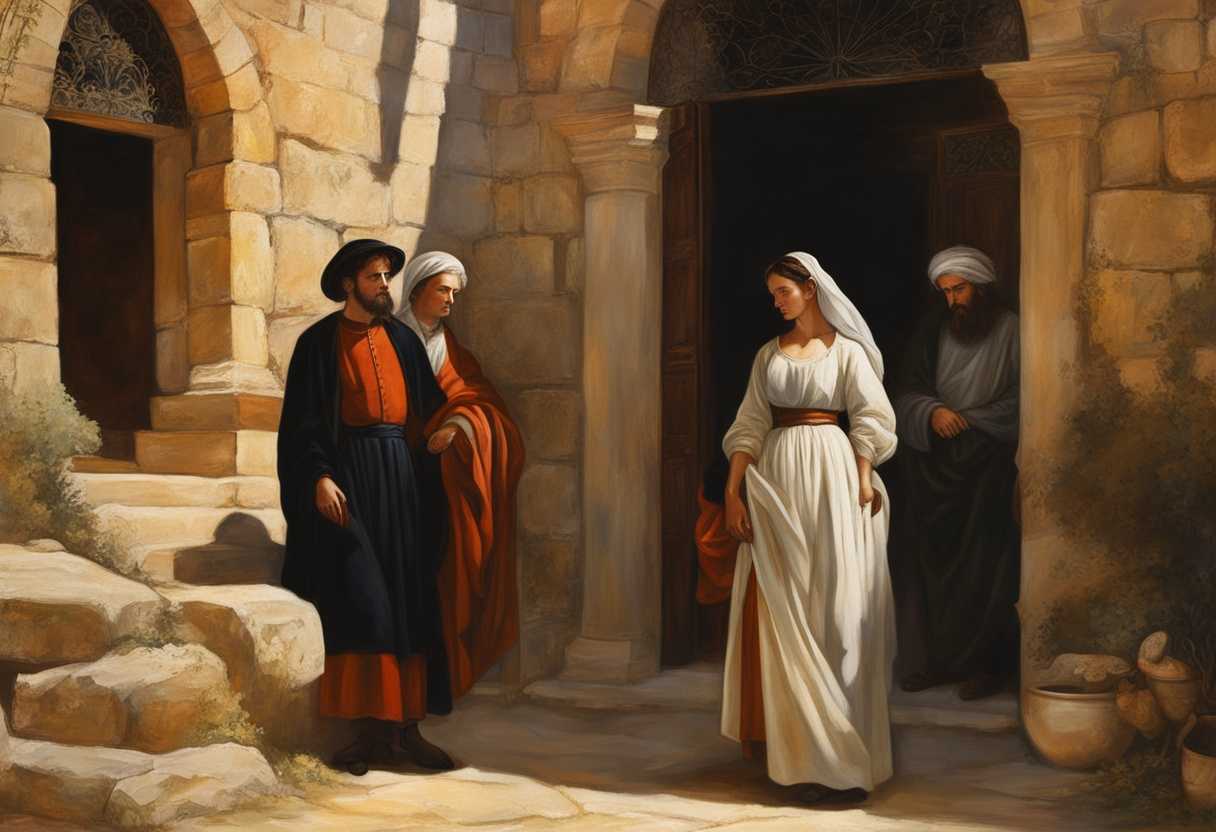
Setting the Scene for Joshua 21:21
In Joshua chapter 21, we find the scene set in the land of Judah, where the tribe of Benjamin has gathered to receive their allotted inheritance. The leaders of the tribe, including Elidad, Ahiezer, and Jerimoth, along with their families and fellow Benjamites, have come together to claim the land that has been promised to them by God through Joshua. The atmosphere is one of anticipation and gratitude as they prepare to settle in their new territory.
The surroundings are lush and fertile, with rolling hills and valleys stretching out before them. The sun is beginning to set, casting a warm golden glow over the landscape as the tribe of Benjamin stands together, united in their faith and purpose. Joshua, the faithful leader appointed by God, stands before them, recounting the journey they have taken together and reminding them of God’s faithfulness in fulfilling His promises.
As the tribe of Benjamin receives their inheritance, there is a sense of awe and reverence among the people, knowing that they are part of God’s divine plan for His chosen people. They bow their heads in prayer, giving thanks for the land they are about to possess and committing themselves to honoring God in all they do. The scene is a powerful reminder of God’s faithfulness and provision for those who trust in Him.
What is Joshua 21:21 about?
The verse in Joshua 21:21 allocates Shechem and its surrounding pastureland to the Levites from the tribe of Kohath. This allocation was made as part of the distribution of land amongst the tribes of Israel, following their conquest of the promised land. Shechem was a significant city in the ancient near east and held great importance for the people of Israel. The pastureland provided a source of sustenance and livelihood for the Levites who were dedicated to serving in the tabernacle.
This verse highlights the meticulous planning and faithfulness of God in fulfilling His promises to His people. It showcases the divine order and provision in ensuring that each tribe and group within the community had a place to call their own. With this verse, we can reflect on the importance of diligence in following through with God’s instructions and the blessings that come from obedience. It prompts us to contemplate the significance of land, resources, and community in our lives and how we can use them to honor and serve God. The divine orchestration in our own lives reminds us of the significance of this verse as we ponder upon it. We also receive God’s blessings and provisions, just as the land was allocated to the Levites. We can draw parallels between the distribution of land in the Old Testament and how God has assigned us unique gifts, talents, and resources to serve Him and others. Through this verse, we are encouraged to appreciate the specific roles and responsibilities that God has entrusted to us within our communities and to steward them faithfully for His glory.
Understanding what Joshua 21:21 really means
The Book of Joshua recounts the Israelites’ conquest of Canaan and the division of land among the twelve tribes. Chapter 21 focuses on assigning cities to the Levites, the priestly tribe without a large land inheritance but designated specific cities and pasturelands. In Joshua 21:21, it mentions Shechem in Ephraim’s hill country, a city of refuge for the unintentional killer, and Gezer. Shechem holds historical significance, often linked to covenant renewals and crucial events. The term “city of refuge” signifies a place of safety for those who accidentally caused harm, embodying God’s mercy and justice. The inclusion of pasturelands highlights God’s provision for the Levites’ sustenance, showcasing His care for those dedicated to His service.
In Numbers 35:6, the concept of cities of refuge is introduced, elucidating their purpose. Deuteronomy 19:2-4 further elaborates on the significance and function of these cities. Hebrews 6:18 extends the idea of refuge to a spiritual realm, emphasizing the hope and security found in God. The relevance of these principles extends to contemporary society, emphasizing the equilibrium between mercy and justice in legal and moral frameworks. The provision for the Levites serves as a reminder that those committed to serving others will receive care and sustenance. In a tumultuous world, the notion of finding spiritual refuge in God offers solace and optimism.
Consider a modern scenario where someone faces wrongful accusations, experiencing immense stress and fear. Just as cities of refuge provided sanctuary in ancient times, today, refuge can be sought in communities, legal systems, and faith. A personal anecdote illustrates this point: a friend falsely accused at work found support and comfort in their church community until the truth emerged. This narrative mirrors the biblical principle of seeking refuge and assistance during distressing times. Joshua 21:21, though rooted in history, encapsulates enduring principles of mercy, justice, provision, and refuge. These principles form the bedrock of our faith and offer practical guidance and hope in times of adversity.
How can we prioritize seeking God’s presence daily?
We should make seeking God’s presence a priority by acknowledging that it is through His presence in our lives that we find true peace, joy, and purpose. We can be intentional in setting aside time each day to seek God through prayer, meditation on His Word, and worship by understanding the significance of His presence. We can commit to making seeking God’s presence continually a daily habit, recognizing that it is in His presence where we find strength and guidance for our lives.
One way to prioritize seeking God’s presence daily is by creating a routine that incorporates moments of prayer and reflection throughout the day. We demonstrate our desire to draw closer to God and experience His presence in our lives by intentionally carving out time in our busy schedules to connect with Him. We can make it a habit to start our day in prayer, turn to Him in times of need, and express gratitude for His faithfulness each evening, just as the verse highlights the significance of seeking God’s presence consistently.
Furthermore, we can prioritize seeking God’s presence daily by cultivating a heart of worship and gratitude. Through praise and thanksgiving, we can magnify the Lord in our lives and invite His presence to dwell within us. We can deepen our relationship with Him and experience the peace that comes from abiding in His presence by focusing on His goodness and faithfulness. We can experience the transformative power of God’s presence in our lives as we align our hearts with His will and seek Him earnestly each day.
Application
Reflect on the promises you made to yourself, and others. Just as the Levites were allocated their cities, it’s vital to uphold your word. Reassess and strengthen your commitment to walking in faith every day. Take this moment to examine your dedication to your work and family. Will you take the leap and honor your promises, starting today?

Reverend Michael Johnson is an experienced Church Minister with a profound expertise in spirituality and guidance. With a serene presence and a compassionate heart, he has faithfully served his congregation for over 20 years, leading them on a spiritual journey towards inner peace and enlightenment. Reverend Johnson’s extensive knowledge of religious philosophies and profound understanding of human nature have made him a trusted confidant and mentor to many, as he seamlessly weaves his profound wisdom into life teachings. Reverend Johnson’s calming demeanor and empathetic nature continue to uplift and heal souls, nurturing a sense of unity and tranquility within his community.