
Ezekiel 27:32-36 is about the lamentation over the downfall of Tyre, using the metaphor of a ship and its cargo to illustrate the destruction and devastation that will come upon the city due to their pride and sin.
32 And in their wailing they raise a lamentation for you
and lament over you:
‘Who is like Tyre,
like one destroyed in the midst of the sea?
33 When your wares went out on the seas, you satisfied many peoples; with your abundant wealth and merchandise you enriched the kings of the earth.
34 Now you are wrecked by the seas, in the depths of the waters; your merchandise and all your crew in your midst have sunk with you.
35 All the inhabitants of the coastlands
are appalled at you,
and the hair of their kings bristles with horror;
their faces are convulsed.
36 The merchants among the peoples hiss at you; you have come to a dreadful end and shall be no more forever.
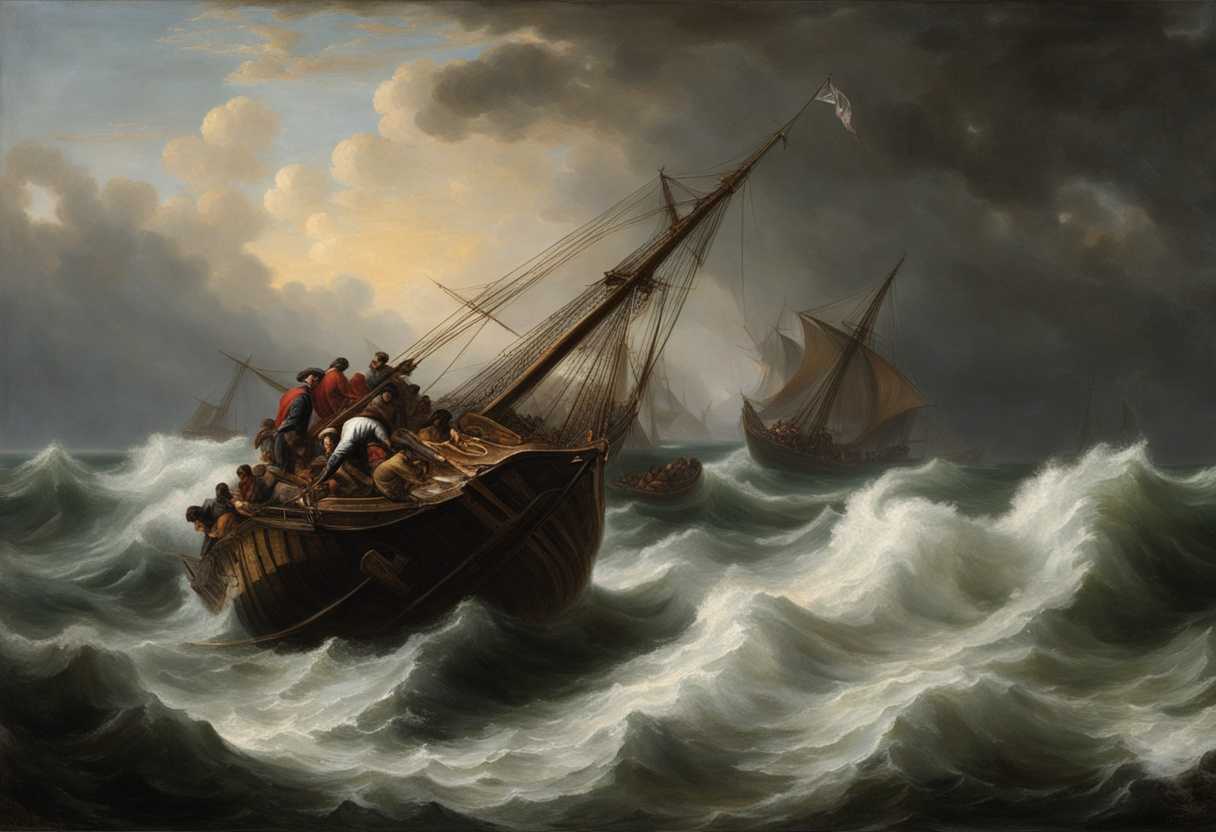
Setting the Scene for Ezekiel 27:32-36
In Ezekiel chapter 27, we find a vivid description of a bustling marketplace scene in the ancient city of Tyre. The marketplace is filled with merchants from various nations, trading a variety of goods such as silver, iron, tin, and lead. Ships from Tarshish are mentioned, bringing in silver, iron, tin, and lead to exchange for Tyre’s merchandise. The scene is vibrant and colorful, with the sounds of bargaining and the smell of spices filling the air.
Among the merchants in the marketplace are individuals from Persia, Lud, and Put, each offering their own unique wares for trade. The merchants have come to Tyre by sea, bringing their goods on ships to exchange for the valuable merchandise of the city. The marketplace is a hub of activity, with traders haggling over prices and goods changing hands.
Surrounding the marketplace are the grand walls and towers of Tyre, a city known for its wealth and commerce. The scene is one of prosperity and trade, with merchants from distant lands coming together to engage in business dealings. The marketplace of Tyre is a melting pot of cultures and goods, reflecting the city’s status as a prominent trading center in the ancient world.
What is Ezekiel 27:32-36 about?
This passage in the book of Ezekiel captures the deep sorrow and lamentation witnessed over the once-prosperous city of Tyre. The imagery painted in these verses portrays a stark contrast to the city’s previous glory, highlighting the fleeting nature of worldly riches and the inevitability of their downfall. These words invite us to reflect on the transient nature of material wealth and the emptiness it leaves behind when it crumbles. The vivid descriptions of mourning, wailing, and dressing in sackcloth serve as a powerful reminder of the impermanence of earthly possessions. They serve as a poignant call to prioritize values that transcend material possessions and fleeting success. The fall of Tyre serves as a cautionary tale, urging us to seek lasting treasures of the soul rather than placing our ultimate trust in temporary riches. Let us ponder on the lessons offered by this passage and contemplate the true sources of enduring wealth and prosperity for our lives.
Understanding what Ezekiel 27:32-36 really means
In Ezekiel 27:32-36, we find a poignant lamentation over the once-mighty city of Tyre, a hub of trade and wealth that has now crumbled into ruin. This passage serves as a stark illustration of the consequences of pride, greed, and a misplaced trust in material riches rather than in God. The sorrowful cries of surrounding nations for Tyre’s downfall highlight the profound impact of its demise on others, reminding us of the interconnectedness of our actions and their repercussions on those around us.
The rhetorical question posed about Tyre, “Who was ever silenced like Tyre, surrounded by the sea?” draws attention to the city’s former grandeur and its sudden and complete destruction. It serves as a sobering reminder of the impermanence of earthly glory and the swift nature of downfall when pride takes precedence over humility. Tyre’s role as a trading powerhouse, enriching many nations with its goods, underscores the seductive allure of material wealth and the dangers of becoming ensnared by the pursuit of riches at the expense of spiritual values.
The imagery of Tyre being shattered by the sea and submerged in the depths of the waters paints a vivid picture of utter devastation and loss. The shock and horror expressed by those living in the coastlands at Tyre’s downfall serve as a cautionary tale about the far-reaching consequences of our choices and behaviors. Just as Tyre’s collapse reverberated beyond its borders, our actions can have ripple effects that extend well beyond our immediate sphere of influence, emphasizing the need for mindful and ethical living.
Drawing parallels from other biblical passages such as Proverbs 16:18, Matthew 6:19-21, and Revelation 18:11-17, we see a consistent warning against the perils of pride, materialism, and idolatry. These texts urge us to prioritize spiritual treasures over earthly possessions, reminding us of the eternal value of humility and faith in God. In a world that often exalts material success and self-reliance, Ezekiel’s lamentation serves as a poignant reminder of the transient nature of worldly wealth and the enduring significance of spiritual riches.
Consider a modern-day scenario where a successful individual, once revered for their wealth and achievements, falls from grace due to arrogance and a misplaced sense of self-importance. Their story echoes Tyre’s fate, underscoring the timeless lesson of the dangers of pride and materialism. By reflecting on Ezekiel 27:32-36, we are prompted to reevaluate our priorities, cultivate humility, and recognize the profound impact of our choices not only on ourselves but also on the broader community in which we live. Let us heed the wisdom found in this ancient lamentation and strive to build our treasures in heaven, where true wealth and lasting fulfillment reside.
How do we respond to worldly loss and suffering?
The passage in Ezekiel 27:32-36 describes sorrow and mourning over material loss, specifically the destruction of Tyre. It highlights the deep sorrow and lamentation that comes with losing earthly possessions and riches. The verse suggests that people will respond with mourning, lamentation, and grief in response to worldly loss and suffering. It portrays a sense of devastation and despair at the destruction of something valuable.
When faced with worldly loss and suffering, it is natural to experience grief and sadness. The verse implies that it is important to acknowledge and express these emotions rather than suppress them. Through mourning and lamentation, one can work through the pain of loss and find a way to move forward. It also serves as a reminder of the temporary nature of worldly possessions and the importance of focusing on things that have lasting value beyond material wealth.
Application
Consider the weight of pride in your life; it can be a slippery slope towards your downfall. Take a moment to identify any prideful thoughts or actions holding you back from growing closer to God. Humbly ask for His guidance and forgiveness, letting go of ego to embrace humility and reliance on His power. Will you seize this opportunity to surrender your pride and embrace a path of humility and grace with God by your side?

Reverend Michael Johnson is an experienced Church Minister with a profound expertise in spirituality and guidance. With a serene presence and a compassionate heart, he has faithfully served his congregation for over 20 years, leading them on a spiritual journey towards inner peace and enlightenment. Reverend Johnson’s extensive knowledge of religious philosophies and profound understanding of human nature have made him a trusted confidant and mentor to many, as he seamlessly weaves his profound wisdom into life teachings. Reverend Johnson’s calming demeanor and empathetic nature continue to uplift and heal souls, nurturing a sense of unity and tranquility within his community.