
Ezekiel 46:19-20 is about the importance of consistency, equality, and fairness in worship practices, emphasizing that all should have access to God’s presence and blessings regardless of their social status or heritage.
19 Then he brought me through the entrance, which was at the side of the gate, to the north row of the holy chambers for the priests, and behold, a place was there at the extreme western end of them.
20 And he said to me, “This is the place where the priests shall boil the guilt offering and the sin offering, and where they shall bake the grain offering, in order not to bring them out into the outer court and so transmit holiness to the people.”
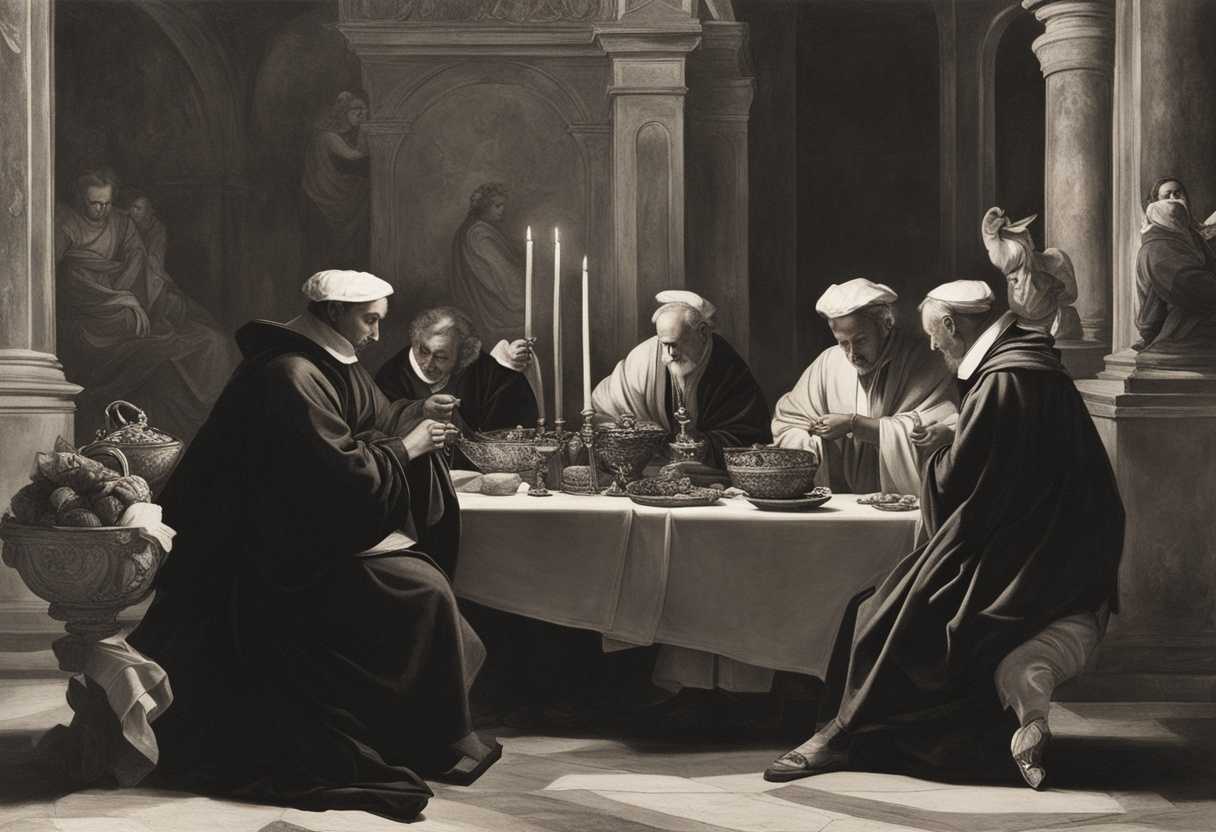
Setting the Scene for Ezekiel 46:19-20
In Ezekiel 46:19-20, the scene is set in the outer courtyard of the temple. The context is a vision that the prophet Ezekiel is receiving from God, where he is shown the regulations for the prince’s offerings and worship in the temple. The prince is a figure of authority and leadership in the community, responsible for leading the people in worship and setting an example for them to follow.
In this particular scene, the prince is standing at the entrance of the gateway leading into the inner courtyard of the temple. He is accompanied by priests who are assisting him in presenting his offerings to the Lord. The prince is dressed in his royal attire, signifying his position of honor and responsibility in the community. The priests are dressed in their sacred garments, ready to perform the rituals and ceremonies prescribed by God.
The surroundings are filled with the sounds of worship and the smell of incense burning on the altar. The sun is shining down on the courtyard, casting a warm glow over the scene. The people gathered around are watching in reverence as the prince and the priests carry out their duties with solemnity and devotion. It is a moment of sacred significance, where the earthly leader and the spiritual leaders come together to honor and worship the Lord in the beauty of holiness.
What is Ezekiel 46:19-20 about?
The regulations for cooking and offering sacrifices in the temple are detailed in Ezekiel 46:19-20. This verse emphasizes the importance of adhering to specific guidelines when presenting offerings to the Lord. It underscores the significance of reverence and respect in the worship practices of the ancient Israelites. These regulations were put in place to ensure that the sacrifices were carried out in a manner that honored God and reflected the purity of the offerings.
Think about the intricate details and care that went into preparing and presenting sacrifices in the temple. Consider the symbolism behind each step in the process and the significance of following these regulations. Ponder the level of dedication and devotion required of the priests and worshippers to carry out these tasks meticulously. Reflect on how these regulations fostered a sense of sacredness and holiness in the act of worship, creating a deep connection between the people and their faith. As we delve into these regulations, we can appreciate the intention behind them and the depth of spirituality they represent. It challenges us to reflect on our own worship practices and the level of reverence we bring to our acts of devotion. Approach our worship with a sense of awe and humility, honoring God with our whole hearts and following the example of dedication set forth in Ezekiel 46:19-20.
Understanding what Ezekiel 46:19-20 really means
Ezekiel 46:19-20 offers us a glimpse into the intricate regulations and rituals surrounding temple worship in ancient Israel. In this vision given to the prophet Ezekiel, we see a detailed account of how offerings were to be prepared and presented by the priests in the temple. To truly grasp the significance of these verses, it is essential to delve into the historical and cultural context of temple worship during that time.
Drawing connections to related biblical passages such as Leviticus 6:25-30, we gain a deeper understanding of the sacrificial system and the meticulous instructions given for offerings. Hebrews 10:1-18 further illuminates how Jesus Christ fulfilled these sacrificial practices, offering a single sacrifice for sins, thereby bridging the gap between the Old Testament rituals and the New Testament believers. 1 Peter 2:9 reinforces this connection by portraying believers as a “royal priesthood,” emphasizing the continuity of the priestly role from the Old Testament to the present day.
The relevance of Ezekiel 46:19-20 extends beyond its historical context, speaking to us today in various ways. Just as the priests meticulously prepared the offerings, we are called to prepare our hearts and lives for worship and service to God. The emphasis on holiness and purity in the offerings serves as a reminder for us to strive for a life of moral integrity and devotion to God. Additionally, the communal aspect of the offerings underscores the importance of community and serving one another in love, reflecting the essence of Christian fellowship.
To illustrate the significance of spiritual preparation, we can draw a parallel to a chef meticulously preparing a meal for a special occasion. Just as the chef’s attention to detail impacts the quality of the dish, our spiritual preparation influences our relationship with God and others. The phrase “The place where the priests are to boil the guilt offering and the sin offering” underscores the importance of following God’s instructions precisely and maintaining reverence in worship. Similarly, the instruction to not bring the offerings into the outer court highlights the need for boundaries in our spiritual lives to uphold purity and focus on God.
By reflecting on the nuances of Ezekiel 46:19-20 and its broader implications, we gain insight into our role as modern-day believers. These verses challenge us to live a life dedicated to God, characterized by spiritual preparation, holiness, and service to others. As we internalize these principles, may we strive to emulate the reverence and devotion exemplified by the priests in the temple, offering our lives as living sacrifices in worship to the Almighty.
How can we honor God with our resources?
We can honor God with our resources by dedicating a portion of what we have been given back to Him. We acknowledge God’s ownership of all things and express our gratitude for His provision by giving tithes and offerings to support His work. This act of giving reflects our faith and trust in God’s faithfulness to provide for our needs as we prioritize His kingdom.
Additionally, we can honor God with our resources by being good stewards of what we have been blessed with. This includes using our resources wisely, being generous to those in need, and avoiding greed and materialism. Through responsible management of our finances, time, and talents, we can bring honor and glory to God by being faithful and obedient custodians of what He has entrusted to us.
Application
Let’s dive into our spiritual GPS and navigate our path with God’s directions. Let’s fine-tune our hearts to sync with His divine playlist, ensuring every beat follows His rhythm. Are you up for the task of dancing to the tune of God’s grace in your daily routine?

Reverend Michael Johnson is an experienced Church Minister with a profound expertise in spirituality and guidance. With a serene presence and a compassionate heart, he has faithfully served his congregation for over 20 years, leading them on a spiritual journey towards inner peace and enlightenment. Reverend Johnson’s extensive knowledge of religious philosophies and profound understanding of human nature have made him a trusted confidant and mentor to many, as he seamlessly weaves his profound wisdom into life teachings. Reverend Johnson’s calming demeanor and empathetic nature continue to uplift and heal souls, nurturing a sense of unity and tranquility within his community.