
Ezra 8:35-36 is about the importance of offering sacrifices to God as a way to seek His favor and protection during a journey, demonstrating faith and obedience in following His commandments.
35 At that time those who had come from captivity, the returned exiles, offered burnt offerings to the God of Israel, twelve bulls for all Israel, ninety-six rams, seventy-seven lambs, and as a sin offering twelve male goats. All this was a burnt offering to the Lord.
36 And they delivered the king’s commissions to the king’s satraps and to the governors of the province Beyond the River, and they aided the people and the house of God.
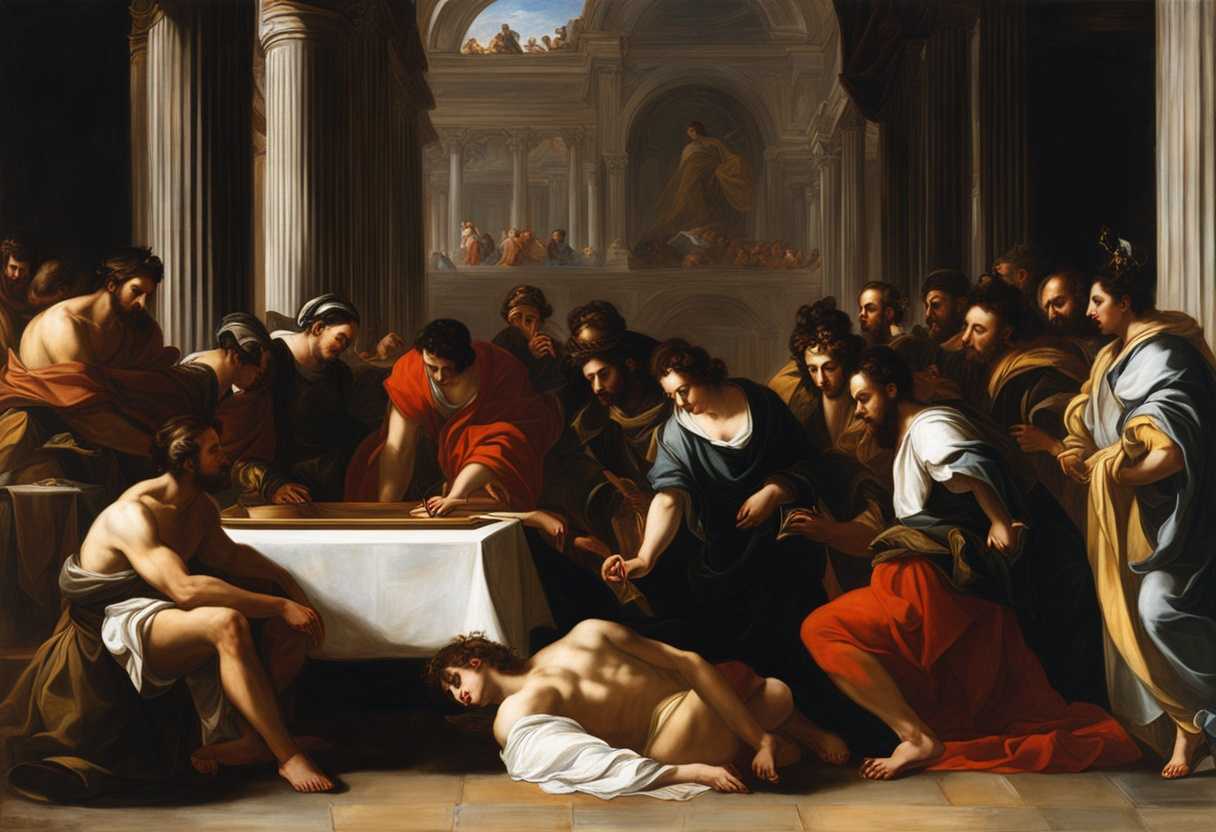
Setting the Scene for Ezra 8:35-36
In Ezra chapter 8, we find Ezra leading a group of exiles from Babylon back to Jerusalem. The scene is set in the desert as the group, which includes priests, Levites, and other Israelites, embarks on their journey. The sun beats down on the dusty ground as they make their way through the rugged terrain, their belongings strapped to their backs and animals laden with supplies.
Among the group are prominent figures such as Sherebiah, Hashabiah, and other leaders who have been entrusted with carrying the valuable articles for the temple. The tension is palpable as they navigate the dangers of the desert, relying on their faith in God to see them through. The group moves cautiously, aware of the threats that lurk in the wilderness, but united in their determination to return to their homeland and restore the worship of the Lord in Jerusalem.
As they finally reach their destination, the relief and gratitude are evident on their faces. The journey has been long and arduous, but they have arrived safely, a testament to their faith and the providence of God. The scene is one of triumph and thanksgiving as they prepare to fulfill their mission and offer sacrifices to the Lord in gratitude for His protection and guidance on their journey.
What is Ezra 8:35-36 about?
Ezra highlights his leadership as he leads the exiles in offering sacrifices to God upon their return to Jerusalem in this verse. This act symbolizes the exiles’ thankfulness and dedication to God for bringing them back safely to their homeland after years of captivity. Ezra reinforced the importance of gratitude, obedience, and worship in their relationship with God by leading the community in offering sacrifices.
Imagine the scene: the exiles, fresh from their journey back to Jerusalem, gathering together with Ezra as he guides them in presenting their offerings to God. Through this act, they are not only expressing their gratitude for God’s faithfulness but also acknowledging His sovereignty over their lives. It’s a powerful moment of unity, faith, and reverence. Communal worship and the role of leaders in guiding and encouraging others in their spiritual journey are significant as we reflect on this verse. How can we, like Ezra, lead by example in our own communities and inspire others to deepen their relationship with God through acts of worship and praise? Let’s ponder upon the lessons we can draw from Ezra’s leadership and strive to emulate his devotion and dedication to God in our own lives.
Understanding what Ezra 8:35-36 really means
Ezra 8:35-36 captures a pivotal moment in the narrative of the returning exiles from Babylon and the restoration of Jerusalem. The offerings made by the children of those who had been carried away signify a continuation of faith and tradition despite the challenges of exile. Their burnt offerings to the God of Israel symbolize worship and dedication, acknowledging God’s role in their deliverance and restoration. Additionally, the delivery of the king’s commissions to the local authorities highlights the formal recognition of their mission and the support of the Persian king, emphasizing the importance of lawful and orderly conduct in their endeavors.
In Nehemiah 8:9-12, we see a similar theme of communal worship and dedication, reinforcing the importance of collective faith and obedience. Psalm 126:1-3 reflects the joy and gratitude of the Israelites upon their return from exile, echoing the sentiments expressed in Ezra 8:35-36. Furthermore, Romans 12:1 draws a parallel between offering sacrifices and dedicating one’s life to God, emphasizing the act of worship and dedication as essential aspects of faith.
The relevance of Ezra 8:35-36 extends to modern believers in various ways. It serves as a reminder to hold onto faith during personal trials and societal changes, just as the Israelites maintained their faith through exile. The concept of offering sacrifices can be viewed metaphorically as dedicating one’s life and actions to God, aligning with the contemporary call to live a life of service and worship. Moreover, the emphasis on lawful conduct and order in delivering the king’s commissions underscores the importance of respecting authority and following lawful procedures, principles that remain significant in today’s society.
To illustrate the timeless lessons of Ezra 8:35-36, consider a family that rebuilds their home after a devastating natural disaster. In their first gathering, they express gratitude to God for His provision and protection while ensuring compliance with local regulations, demonstrating faith, gratitude, and lawful conduct. This anecdote mirrors the actions of the Israelites, showcasing the integration of faith, worship, and lawful behavior in everyday life.
In conclusion, Ezra 8:35-36 serves as a powerful reminder of the enduring values of faith, worship, and lawful conduct. It encourages believers to remain steadfast in their faith, dedicate their lives to God, and respect the laws and authorities in their lives. Though rooted in ancient history, this passage offers timeless lessons that are relevant for contemporary living, guiding individuals to navigate challenges with faith, dedication, and obedience.
How can we ensure God’s guidance on our journey?
We can ensure God’s guidance on our journey by seeking Him diligently through prayer, meditation, and study of His Word. We open ourselves up to receive His guidance and direction by drawing close to God and aligning our hearts with His will. The verse highlights how, in response to their faithfulness and seeking God’s protection, He granted the Israelites safe passage throughout their journey.
Additionally, staying connected to a community of believers can also be instrumental in receiving God’s guidance. We can navigate our journey with greater discernment and insight by surrounding ourselves with fellow Christians who can offer support, encouragement, and Biblical wisdom. We too can benefit from the strength and guidance of a faith community, just as the Israelites leaned on each other for support during their travels. Faith and trust in God ultimately play a crucial role in receiving His guidance. We can trust that He will lead us in the right direction and provide for our needs along the way by surrendering our plans and desires to Him. We can experience the peace and assurance that comes from following God’s will and walking in His ways.
Application
In life’s daily hustle, let’s make faith our anchor and courage our compass. Just like navigating through work challenges or supporting our family, we should trust in the higher power’s protection. Let our faith be the shield that guides us through stormy seas and uncharted territories. It is time to embrace His promises, stand steadfast in our convictions, and bravely face uncertainty knowing He stands by our side. Will you join this journey and entrust your heart completely to the unwavering care of the divine?

Reverend Michael Johnson is an experienced Church Minister with a profound expertise in spirituality and guidance. With a serene presence and a compassionate heart, he has faithfully served his congregation for over 20 years, leading them on a spiritual journey towards inner peace and enlightenment. Reverend Johnson’s extensive knowledge of religious philosophies and profound understanding of human nature have made him a trusted confidant and mentor to many, as he seamlessly weaves his profound wisdom into life teachings. Reverend Johnson’s calming demeanor and empathetic nature continue to uplift and heal souls, nurturing a sense of unity and tranquility within his community.