
37 And the proposal pleased Pharaoh and his servants.
Setting the Scene for Genesis 13:37
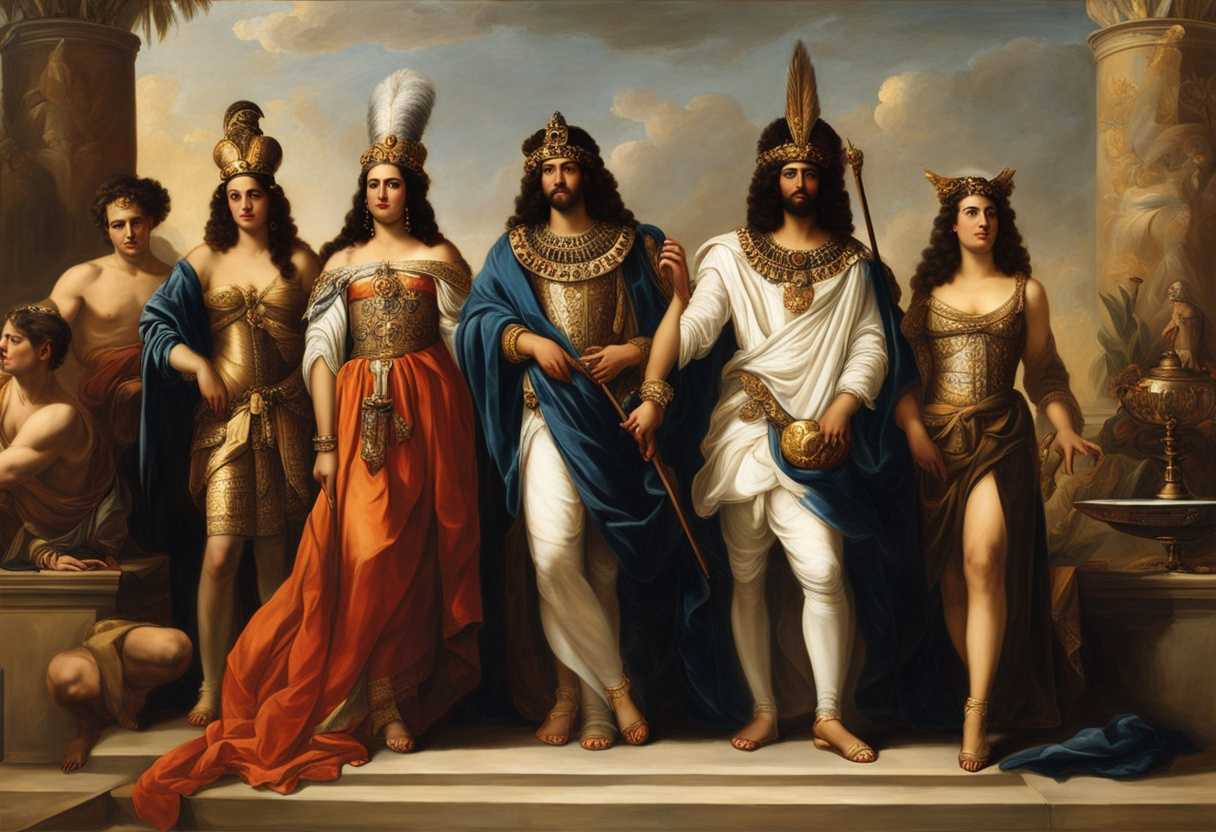
In Genesis chapter 13, we find Abram (later known as Abraham) and his nephew Lot standing in the land of Canaan. The scene unfolds as they have just returned from Egypt, where they had temporarily sought refuge due to a famine in the land. As they stand in the vast and fertile land of Canaan, tension begins to rise between their herdsmen as their flocks have grown too large to share the same grazing pastures.
Abram, being the elder and the one chosen by God, approaches Lot with wisdom and humility, suggesting that they part ways to avoid any conflict. He gives Lot the choice of which direction he would like to go, whether to the left towards the well-watered plains of the Jordan or to the right towards the rocky terrain of the wilderness. Lot, drawn to the lush and fertile land, chooses the Jordan Valley, leaving Abram to dwell in the land of Canaan.
As the sun sets over the horizon, casting a warm glow over the land, Abram and Lot part ways, each embarking on their own journey of faith and destiny. The scene captures a pivotal moment in the lives of these two men, as they make choices that will shape their futures and the generations to come.
What is Genesis 13:37 about?
Ah, the promise that God made to Abraham regarding the land for his descendants is truly a profound and enduring message in the Bible. This verse encapsulates the significance of God’s covenant with Abraham, illustrating His faithfulness and provision for his people throughout generations. Can you imagine the depth of God’s love and commitment to ensure that this promise is fulfilled for Abraham’s descendants?
The land promised to Abraham’s descendants symbolizes God’s enduring commitment and provision for His people. It signifies a sense of belonging, security, and inheritance that is deeply rooted in their relationship with God. We reflect on this promise, reminding us of the faithfulness of God and His ability to fulfill His promises in our lives. How does this verse inspire you to trust in God’s faithfulness and provision for you and your descendants?
This verse serves as a powerful reminder of God’s sovereignty and His unwavering promises to His people. It invites us to consider the depth of God’s love and His commitment to fulfilling His promises, even across generations. Let us trust in God’s faithfulness as we meditate on this verse, knowing that He will always provide and fulfill His promises in our lives.
Understanding what Genesis 13:37 really means
Certainly! Given that there is no Genesis 13:37 (Genesis chapter 13 ends at verse 18), I will pivot to discussing Genesis 13:8-9, a pivotal section where Abram (later named Abraham) and Lot decide to part ways due to conflicts between their herdsmen. This story provides rich ground for reflection and application to everyday life. Let’s delve into it.
Step-by-Step Commentary
**1. Abram and Lot have a defining moment in Genesis 13:8-9. Abram and Lot had grown so wealthy that the land could not support both their flocks and herds. This led to strife between their herdsmen. Abram took the initiative to resolve the conflict by suggesting they part ways, offering Lot the first choice of the land.
2. Key Phrases and Meanings:
The phrases “Let there be no strife” and “for we are brothers” highlight Abram’s desire for peace and his acknowledgment of their familial bond. Abram’s willingness to let Lot choose first demonstrates humility and selflessness.
3. Cross-referencing with Other Scriptures:
This passage echoes Philippians 2:3-4, which instructs believers to “do nothing from selfish ambition or conceit, but in humility count others more significant than yourselves.” Abram’s behavior illustrates this principle long before it was written down.
**4. The story teaches us about conflict resolution in our contemporary world, where conflicts and disputes are commonplace. Abram’s approach — prioritizing peace and placing others’ needs above his own — is a timeless model. This is particularly relevant in workplaces, families, and communities. How often do we see disagreements escalating because each party wants the upper hand?
5. Analytical Thought:
Abram’s decision to let Lot choose first is counter-cultural, both in ancient times and now. It challenges us to reflect: Are we willing to sacrifice our own potential gain for the sake of peace? Abram’s actions prompt us to think critically about our priorities and motivations.
6. Personal Application and Anecdote:
I remember a time when a friend and I were in conflict over a business project’s direction. Tensions were high, much like the herdsmen of Abram and Lot. Inspired by this passage, I decided to let my friend lead the decision-making. This act of stepping back didn’t signify defeat but instead led to a more harmonious and ultimately successful collaboration. It’s a living testimony that sometimes, yielding is the true act of strength.
7. Conclusion:
Genesis 13:8-9 is an inspiring lesson in humility, peace, and selflessness. It beckons us to act generously and prioritize relationships over material gain. Consciously deciding to let go of our egos for the greater good resolves conflicts and fortifies our bonds with others in our daily lives.
Reflect on the next time you face a conflict: How can Abram’s approach to diplomacy and peace guide your actions? Let this thought stir in your heart and manifest in your deeds.
Each of us has the potential to be a peacemaker like Abram. We just need the courage and humility to act upon it.
What do our choices reveal about our priorities?
Our choices reveal our priorities when we are faced with difficult decisions that test our values and beliefs. This verse highlights the choice between worldly possessions and relationships. Choosing the well-watered land symbolizes a focus on material wealth and success, while choosing the land with less resources but family ties reflects a prioritization of relationships and community over material gain.
This verse reminds us to consider what truly matters in our lives and to make choices that align with our core values and beliefs. It calls us to reflect on whether our decisions are driven by materialistic desires or by a genuine desire for meaningful connections with others. Our choices reveal what holds the most significance and value in our lives, reflecting our priorities.
Application
Think of life’s toughest moments like navigating a busy city with your family—uncertain and challenging. Just as you’d trust a GPS to guide you through the maze, place your trust in God’s plan. Surrender your fears and doubts; let Him lead you. Take bold steps of faith and follow His directions, for His promises hold your future. Will you trust His unfailing love to guide you today?

Reverend Michael Johnson is an experienced Church Minister with a profound expertise in spirituality and guidance. With a serene presence and a compassionate heart, he has faithfully served his congregation for over 20 years, leading them on a spiritual journey towards inner peace and enlightenment. Reverend Johnson’s extensive knowledge of religious philosophies and profound understanding of human nature have made him a trusted confidant and mentor to many, as he seamlessly weaves his profound wisdom into life teachings. Reverend Johnson’s calming demeanor and empathetic nature continue to uplift and heal souls, nurturing a sense of unity and tranquility within his community.