
17 After his return from the defeat of Chedorlaomer and the kings who were with him, the king of Sodom went out to meet him at the Valley of Shaveh (that is, the King’s Valley).
18 And Melchizedek king of Salem brought out bread and wine. He was priest of God Most High.
19 And he blessed him and said, “Blessed be Abram by God Most High, Possessor of heaven and earth;
20 and blessed be God Most High,
who has delivered your enemies into your hand!”
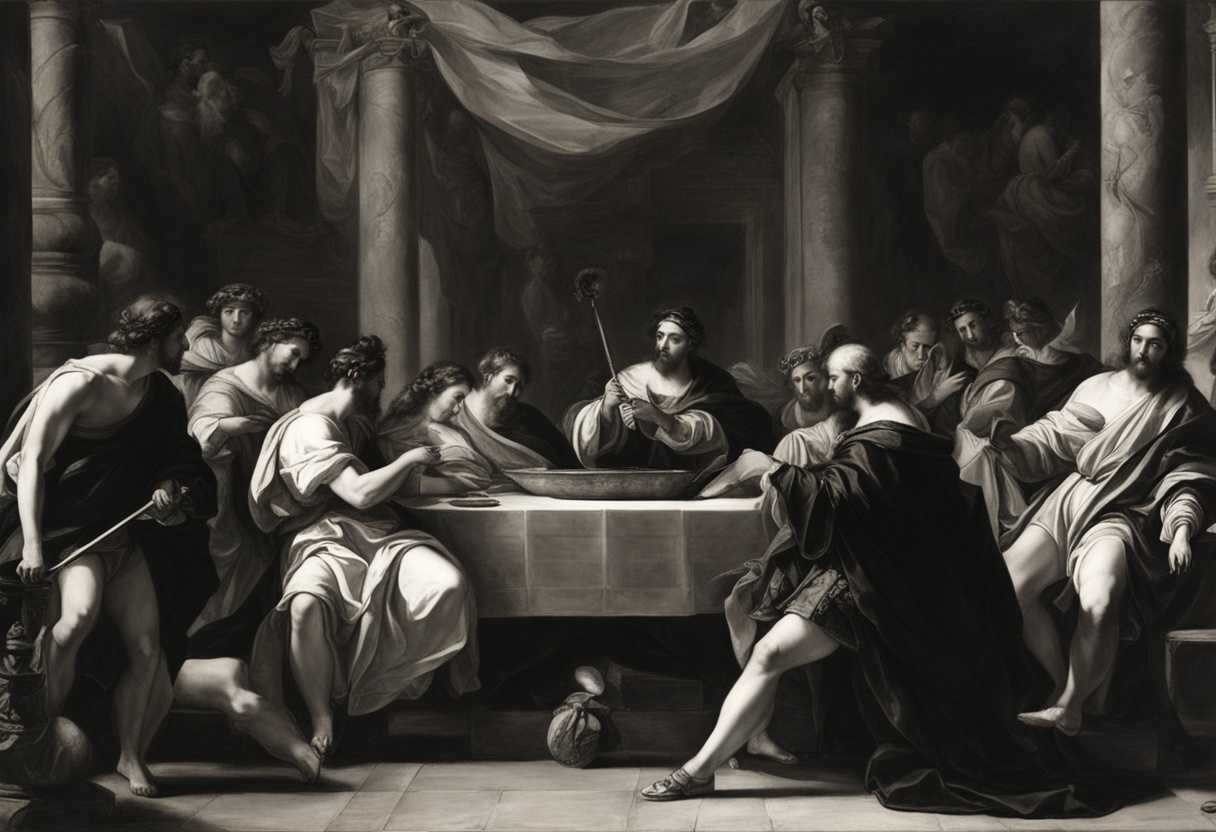
Setting the Scene for Genesis 14:17-20
In Genesis chapter 14, we find Abram, later known as Abraham, returning from a victorious battle where he rescued his nephew Lot who had been captured by enemy kings. As Abram is returning, he is met by the king of Salem, Melchizedek, who is also described as a priest of God Most High. Melchizedek brings out bread and wine to bless Abram and his men. This meeting takes place in the Valley of Shaveh, which is also known as the King’s Valley.
The scene is set in the aftermath of a fierce battle, with Abram and his men weary from the fight but filled with gratitude for the victory and the safe return of Lot. Melchizedek’s unexpected appearance adds a sense of mystery and divine intervention to the moment. The Valley of Shaveh provides a peaceful backdrop for this encounter, with its wide expanse and gentle slopes offering a moment of respite amidst the chaos of war. The exchange of blessings, bread, and wine between Abram and Melchizedek symbolizes a sacred bond and a recognition of God’s hand in their lives, setting the stage for the unfolding of God’s promises to Abram.
What is Genesis 14:17-20 about?
Abram and Melchizedek, King of Salem, meet to delve into the profound significance of this meeting. This encounter marks a pivotal moment in the narrative of Abram, later known as Abraham, as it highlights the concept of righteousness and divine blessing. Melchizedek, often seen as a mysterious and enigmatic figure, symbolizes the intertwining of royalty and priesthood, with his name meaning “king of righteousness. Melchizedek acknowledges the divine favor and authority upon Abram by blessing him and receiving a tithe from him, setting the stage for the covenantal relationship between Abram and God. This verse prompts us to ponder the layers of symbolism and foreshadowing embedded within it as we reflect on it. The meeting between Abram and Melchizedek foreshadows the establishment of the Levitical priesthood and ultimately the eternal priesthood of Jesus Christ. It also emphasizes the themes of humility, gratitude, and recognition of God’s sovereignty. Abram exemplifies an act of worship and acknowledgement of God’s provision and blessing in his life by giving a tithe to Melchizedek. This verse serves as a reminder of the interconnectedness of faith, obedience, and divine favor, urging us to emulate Abram’s posture of reverence and submission before the Almighty.
Understanding what Genesis 14:17-20 really means
Structure
- Introduction and Background
- Key Phrases and Their Meanings
- Cross-references to Other Biblical Passages
- Relevance to Modern Life
- Reflection and Personal Anecdote
Commentary
Introduction and Background
Genesis 14:17-20 recounts the return of Abram after his victory over Kedorlaomer and the kings allied with him. The passage marks an encounter between Abram and Melchizedek, the king of Salem and a priest of God Most High. This meeting is one of the few instances in the Bible where a figure combines both kingly and priestly roles, making it a unique and significant event in biblical history. Let’s delve into some of the meaningful phrases in this passage. Melchizedek, King of Salem, brings out bread and wine to bless Abram. The use of “bread and wine” is strikingly symbolic and prefigures the Last Supper in the New Testament, highlighting themes of sustenance and covenant. Melchizedek’s blessing of Abram with the words, “Blessed be Abram by God Most High, Creator of heaven and earth,” establishes Abram’s mission as divinely sanctioned. The acknowledgment of God as the “Creator of heaven and earth” places God’s omnipotence and supreme authority at the center of this blessing.
Cross-references to Other Biblical Passages
Hebrews 7:1-3 sheds light on Melchizedek’s significance, noting that he resembles the Son of God and remains a priest forever, highlighting the eternal priesthood of Christ. Psalm 110:4 also refers to the order of Melchizedek, emphasizing the enduring and unchanging nature of this priesthood. These cross-references help us understand Melchizedek as a type of Christ, showing that this brief encounter in Genesis foreshadows the coming Messiah who would combine both kingly and priestly duties.
Relevance to Modern Life
Abram’s interaction with Melchizedek underscores the importance of recognizing and honoring divine provision and authority. Even after a significant victory, Abram offers a tenth of everything to Melchizedek, acknowledging that his success is due to God’s favor. True success and blessing come from God, and we should always remain grateful and humble, giving back a portion of what we receive. A small business owner achieves significant success after years of struggle. It would be easy to attribute this success solely to hard work and strategy. However, if we adopt the perspective laid out in Genesis 14:17-20, we realize that such achievements also rely heavily on factors beyond our control—those moments of divine intervention and timing. Recognizing this can instill a sense of humility and a moral responsibility to give back.
Conclusion
This passage from Genesis is not merely a historical account but a theological statement rich with symbolism and foreshadowing. It reminds us to acknowledge God’s ultimate authority and provision in our lives. Let us consider how we can honor and give back to God, the true source of all our successes, as we reflect on our blessings and achievements.
How can we show gratitude to God’s provision?
One way we can show gratitude to God’s provision is by acknowledging His role as our ultimate Provider. This means recognizing that everything we have comes from Him and expressing appreciation for His abundant blessings. We humble ourselves and give credit where it is due by acknowledging God as the source of our provisions.
Another way to show gratitude to God’s provision is by giving back and sharing our blessings with others. Just as Abram gave a tenth of everything he had as an act of gratitude to God, we can also give to those in need, support charitable causes, and use our resources to help others. We reflect His generosity and care for those around us by sharing what God has provided us with others.
Additionally, we can show gratitude to God’s provision through continual prayer and thanksgiving. Taking time to thank God for His blessings, both big and small, reminds us of His faithfulness and goodness in our lives. We cultivate a deeper relationship with God and honor Him for His provision in all aspects of our lives by fostering a heart of gratitude through prayer.
Application
Think about how hard you work to provide for your family and those you care about. Imagine if we all took just a moment to share even a small part of our blessings with others. Just like God blessed Abraham, your generosity can make a real difference. Don’t wait for a perfect time; make today that day to act. Will you step up and make a positive impact now?

Reverend Michael Johnson is an experienced Church Minister with a profound expertise in spirituality and guidance. With a serene presence and a compassionate heart, he has faithfully served his congregation for over 20 years, leading them on a spiritual journey towards inner peace and enlightenment. Reverend Johnson’s extensive knowledge of religious philosophies and profound understanding of human nature have made him a trusted confidant and mentor to many, as he seamlessly weaves his profound wisdom into life teachings. Reverend Johnson’s calming demeanor and empathetic nature continue to uplift and heal souls, nurturing a sense of unity and tranquility within his community.