
2 She bore him Zimran, Jokshan, Medan, Midian, Ishbak, and Shuah.
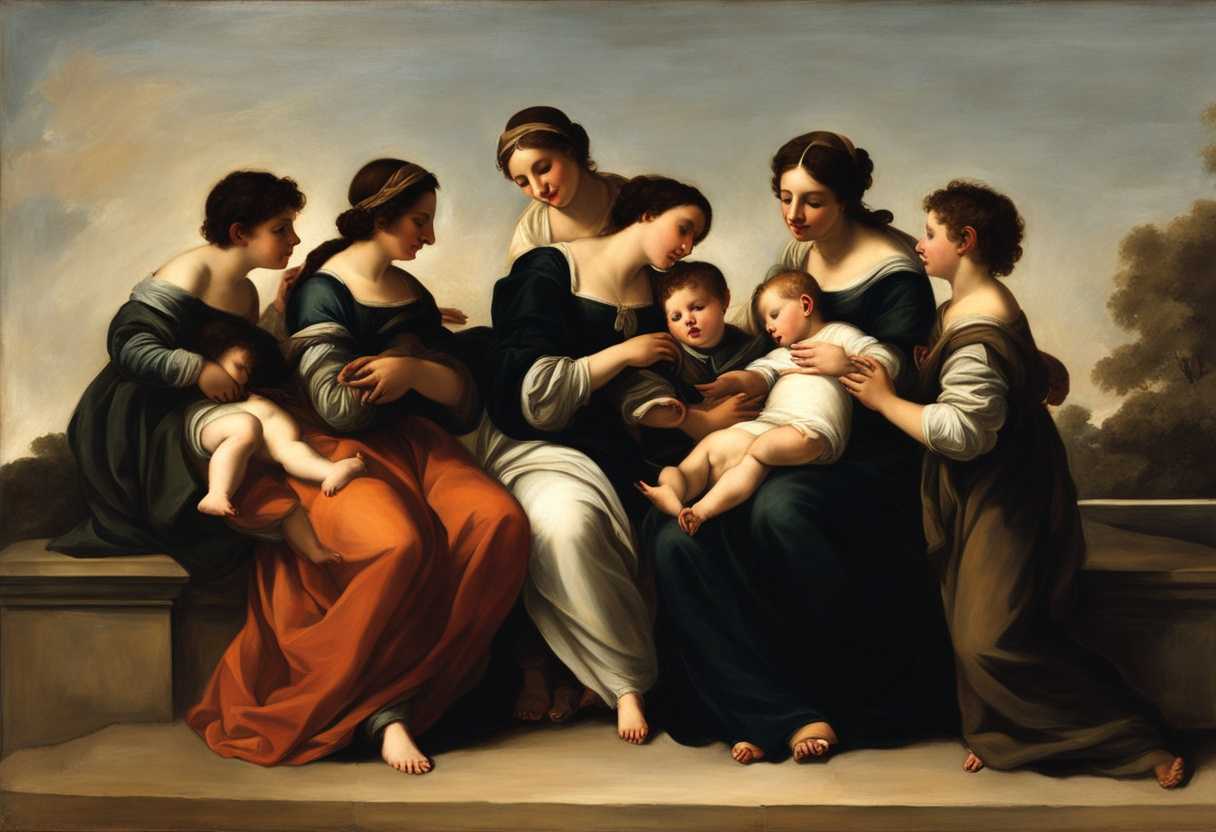
Setting the Scene for Genesis 25:2
In Genesis chapter 25, we find Abraham, the patriarch of the Israelites, who had just passed away at the age of 175. The scene is set in the land of Canaan, where Abraham had lived for many years. His sons, Isaac and Ishmael, come together to bury their father. Isaac, the son of Abraham and Sarah, was the child of promise through whom God’s covenant would continue. Ishmael, the son of Abraham and Hagar, was the older half-brother of Isaac.
The burial of Abraham signifies the passing of the torch from one generation to the next, as Isaac would now carry on his father’s legacy. The brothers, despite their different backgrounds and the circumstances of their birth, come together in unity to honor their father. The solemn occasion is a reminder of the faithfulness of God throughout the generations of Abraham’s descendants. The landscape of Canaan, with its rolling hills and ancient olive trees, provides a fitting backdrop for this significant moment in the history of the Israelite people.
What is Genesis 25:2 about?
A beautiful reminder of how life is a journey filled with different chapters is seen in Genesis 25:2. After the passing of his beloved wife Sarah, Abraham found love again and started a new family with Keturah. This verse teaches us about resilience, love, and the continuation of life despite facing loss and challenges. It shows us that even in times of sorrow, there can be light and joy waiting for us if we remain open to the possibilities ahead.
Reflecting on this verse, we can contemplate the idea that life is a constant cycle of beginnings and endings. It prompts us to think about how we handle transitions and changes in our own lives. How do we navigate through loss and find the courage to embrace new beginnings? It also highlights the importance of love and family as sources of strength and hope during difficult times. How can we open our hearts to new relationships and experiences, even when we are grieving or facing setbacks? Genesis 25:2 invites us to ponder these questions and explore the profound beauty of resilience and renewal in the journey of life.
Understanding what Genesis 25:2 really means
Commentary Structure:
- Introduction and Context: Briefly introduce the verse and its place within the larger narrative.
- Verse Breakdown: Delve into the specific phrases within the verse and their meanings.
- Connection to Other Scriptures: Reference other Bible verses that shed light on or expand the meaning.
- Relevance Today: Explain how this verse is relevant in modern life.
- Anecdotal Illustration: Provide a personal or fictional anecdote that illustrates the verse’s application.
- Conclusion and Reflection: Summarize the key points and pose questions for further reflection.
Commentary
Introduction and Context
Genesis 25:2 catalogues the descendants of Abraham through his second wife, Keturah. It’s a straightforward recounting, but its placement within Genesis is key. This verse follows the story of Isaac, Abraham’s son with Sarah, and serves to detail the broader scope of Abraham’s progeny. This helps illustrate God’s fulfillment of His promise to make Abraham a father of many nations.
Verse Breakdown
The verse lists the names of the sons born to Abraham and Keturah: Zimran, Jokshan, Medan, Midian, Ishbak, and Shuah. These names are more than just a family record; they represent the widening circle of Abraham’s legacy. Each name signifies a branch of his line that would go on to form different tribes and peoples.
Connection to Other Scriptures
Genesis 17:4, where God promises Abraham that he will be “a father of many nations,” connects well with this verse. Additionally, we see the mention of Midian, a name that reoccurs in the Bible. For instance, Moses finds refuge among the Midianites and marries Zipporah, a Midianite priest’s daughter (Exodus 2:15–21). This shows how interconnected the biblical narratives are and how the lineage of Abraham extends into crucial storylines.
Relevance Today
Why is this verse relevant to us now? This verse reminds us of the expansive nature of God’s promises and His faithfulness in fulfilling them. While we may not always see the immediate impact of our actions or God’s promises, this verse suggests a larger narrative is always in play. Our modern lives encourage us to have patience and trust in the long-term fulfillment of God’s will. A farmer plants an orchard. He won’t see the fruits of his labor immediately. Years may pass before the trees bear fruit, but each stage of growth is vital. Similarly, Abraham’s descendants, as listed in this verse, may have seemed insignificant at the moment but played crucial roles in the unfolding biblical history. This can teach us to value and trust in small beginnings and incremental progress.
Conclusion and Reflection
Genesis 25:2 is more than a genealogical entry; it’s a testament to God’s unwavering fidelity in keeping promises. Let’s ask ourselves as we reflect on this: Do we trust in the larger work God is doing through us and around us, even if we can’t see the immediate results? How can we cultivate patience and faith, recognizing that our contributions might bear fruit in ways we cannot yet envision?
Such reflection can deepen our understanding and strengthen our faith, as we recognize that each part of our story is part of a grand, divine narrative, just as Abraham’s lineage was key to the story of God’s people.
What does it mean to be a good steward?
To be a good steward means to take care of something that has been entrusted to you and to manage it responsibly. It involves being faithful in managing resources, whether they be material possessions or opportunities given to you by God. A good steward is someone who uses their resources wisely and for the benefit of others, not just for their own gain. Abraham exemplified being a good steward in Genesis 25:2 by distributing his possessions among his sons while he was still alive, ensuring that each one received an inheritance. This act of stewardship shows foresight, generosity, and a desire to provide for his family even after he was gone. It demonstrates a commitment to managing his wealth in a way that benefits his descendants and honors the blessings given to him by God.
Application
Just as you juggle work and family, it’s crucial to honor the legacy your ancestors left behind. Their values and teachings guide us like a roadmap in the chaos of modern life. By embracing their wisdom, you can make decisions that resonate with meaning and purpose. So, are you prepared to carry their torch and keep their legacy alive today?

Reverend Michael Johnson is an experienced Church Minister with a profound expertise in spirituality and guidance. With a serene presence and a compassionate heart, he has faithfully served his congregation for over 20 years, leading them on a spiritual journey towards inner peace and enlightenment. Reverend Johnson’s extensive knowledge of religious philosophies and profound understanding of human nature have made him a trusted confidant and mentor to many, as he seamlessly weaves his profound wisdom into life teachings. Reverend Johnson’s calming demeanor and empathetic nature continue to uplift and heal souls, nurturing a sense of unity and tranquility within his community.