
9 Esau went to Ishmael and took as his wife, besides the wives he had, Mahalath the daughter of Ishmael, Abraham’s son, the sister of Nebaioth.
Setting the Scene for Genesis 28:9
In Genesis chapter 28, we find Jacob on a journey to Haran. After deceiving his father Isaac to receive the blessing meant for his brother Esau, Jacob is now fleeing from Esau’s wrath. As he travels, he reaches a certain place and decides to spend the night there.
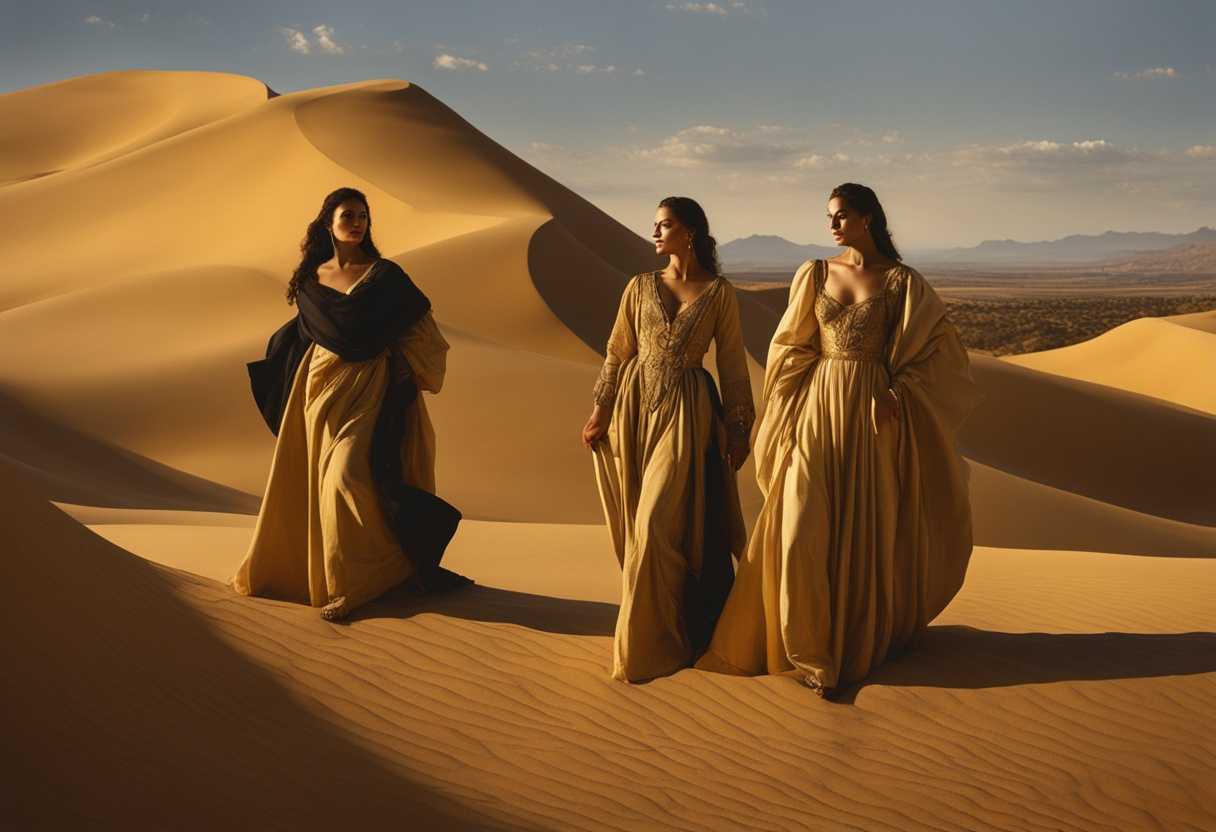
The scene is set in the wilderness, with the sun setting in the distance, casting a warm glow over the rocky terrain. Jacob, feeling weary and alone, uses a stone as a pillow and lays down to rest. As he drifts off to sleep, he has a dream of a ladder reaching up to heaven, with angels ascending and descending on it. This dream is a powerful moment in Jacob’s life, as it is here that God reaffirms the covenant He made with Jacob’s grandfather, Abraham, and his father, Isaac.
In this pivotal moment, Jacob encounters God in a profound way, and it marks the beginning of a transformation in his life. As Jacob awakens from his dream, he is filled with awe and declares, “Surely the Lord is in this place, and I was not aware of it.” This encounter sets the stage for Jacob’s future encounters with God and his eventual reconciliation with Esau.
What is Genesis 28:9 about?
Jacob obeyed his father Isaac’s instructions and married a wife from his mother Rebekah’s family in this verse. This act may seem like a simple arrangement, but it carries significant cultural and familial implications. Jacob is ensuring the preservation of his family’s traditions, values, and inheritance by marrying within his own family lineage. It also reinforces the strong bond between Jacob and his parents, particularly his father Isaac, who plays a crucial role in guiding and instructing him.
Have you ever considered the importance of family traditions in shaping our identity and values? Just like Jacob, our family background and lineage play a crucial role in shaping who we are. Jacob is not only following a cultural practice but also strengthening the ties that bind his family together by honoring his father’s wishes and marrying within his mother’s family. This act reminds us of the deep-rooted connections we have with our own families and the significance of upholding and preserving our ancestral heritage.
Understanding what Genesis 28:9 really means
Structure for Commentary:
- Introduction and context
- Explanation of the specific verse
- Related biblical passages
- Relevance to people today
- Anecdote and practical application
- Conclusion
Commentary on Genesis 28:9
Introduction and Context
The context of this verse is pivotal for understanding its deeper meaning. The Book of Genesis recounts the origins of the world and humanity, the history of the patriarchs, and God’s covenant with Abraham and his descendants. Jacob is on a spiritual journey, seeking purpose and guidance in this particular chapter. He has fled from his brother Esau, who is angry because Jacob deceived their father Isaac to receive the blessing meant for Esau. This background sets the stage for Jacob’s life choices and their implications. Esau reacts to his father’s blessing of Jacob and his mother’s directive to Jacob to marry a woman from her brother Laban’s family in this verse. Esau marries Mahalath, the daughter of Ishmael, Abraham’s other son by Hagar, in an attempt to please his parents and get back into their favor. The phrase, “so he went to Ishmael and married Mahalath,” highlights his effort to align with his family’s expectations. Yet, it also underscores his ongoing struggle with identity and acceptance.
Related Biblical Passages
Other passages that add depth to this verse include Genesis 26:34-35, where Esau’s marriage to Canaanite women grieves Isaac and Rebekah. This provides context for why Esau’s later marriage aligns more with his parents’ wishes. Additionally, Genesis 17:19-21 contrasts God’s blessings over Isaac’s lineage versus Ishmael’s, emphasizing the different covenantal paths they follow. These scriptures together illustrate the complex family dynamics and spiritual significance behind marriage choices in biblical times.
Relevance to People Today
This narrative remains relevant as it deals with the universal themes of family approval, identity, and the struggle for acceptance. Many face challenges seeking validation from their families against the backdrop of their personal journeys and decisions in a modern context. Relationships within families can often be strained by perceived favoritism or unmet expectations. Maria is the subject of the story. Maria always felt overshadowed by her sibling, who was perceived to be the “golden child” in the family. She pursued a career her parents admired rather than following her true passion in an effort to gain their approval. While she achieved some level of success, she remained unfulfilled and disconnected from her genuine calling. Maria’s story echoes Esau’s struggle—making choices primarily to seek family validation can lead one away from personal fulfillment.
Conclusion
The actions of Esau in this verse serve as a reminder to evaluate our motivations. Are our decisions driven by external validation, or do they align with our authentic selves and God’s plan for us? Reflecting on this encourages us to seek a balance between honoring our family and staying true to our convictions. We find a path that respects both our heritage and our personal calling in faith. Readers and believers today can lead more authentic, meaningful lives that honor both human relationships and divine purpose by wrestling with these questions.
How does God reveal Himself in our dreams?
God can reveal Himself through visions and messages in our dreams, providing guidance, reassurance, or warning. Just as Jacob experienced a significant dream that showed him God’s presence and promise, our dreams can also serve as a means for God to communicate His will and plan for our lives. When we pay attention to the symbolism and messages in our dreams, we may gain insight into God’s direction and purpose for us.
Through the symbolism and imagery in our dreams, God can speak to our hearts and minds, offering comfort, wisdom, and encouragement. Just as Jacob’s dream revealed a ladder reaching to heaven with angels ascending and descending, our dreams may contain symbols or events that convey spiritual truths and insights. We can discern His presence and guidance in our lives by reflecting on our dreams and seeking God’s interpretation. God ultimately reveals Himself in our dreams as a loving and sovereign presence seeking to communicate with us in a personal and intimate way. We can open our hearts and minds to receiving His messages and following His leading in our lives as we trust in God’s ability to speak to us through our dreams. We can experience a deeper connection with God and gain a greater understanding of His will for us by acknowledging the significance of our dreams and seeking His guidance in interpreting them.
Application
Think of Genesis 28:9 as a reminder of the power and influence we hold over our loved ones. Just like guidance at work or support in a family, our words can shape futures and build paths. Today, evaluate how you’re lifting up those around you, offering encouragement and blessing. Are you sowing seeds that will grow into strength and faith? How will you choose to make a positive impact on someone’s life today?

Reverend Michael Johnson is an experienced Church Minister with a profound expertise in spirituality and guidance. With a serene presence and a compassionate heart, he has faithfully served his congregation for over 20 years, leading them on a spiritual journey towards inner peace and enlightenment. Reverend Johnson’s extensive knowledge of religious philosophies and profound understanding of human nature have made him a trusted confidant and mentor to many, as he seamlessly weaves his profound wisdom into life teachings. Reverend Johnson’s calming demeanor and empathetic nature continue to uplift and heal souls, nurturing a sense of unity and tranquility within his community.