
19 These three were the sons of Noah, and from these the people of the whole earth were dispersed.
Setting the Scene for Genesis 9:19
In Genesis chapter 9, after the great flood, Noah and his family are the only survivors left on Earth. The scene is set on the slopes of Mount Ararat, where the ark has come to rest after the waters receded. The sun is shining brightly, casting a warm glow over the lush green landscape that is slowly emerging from the floodwaters.
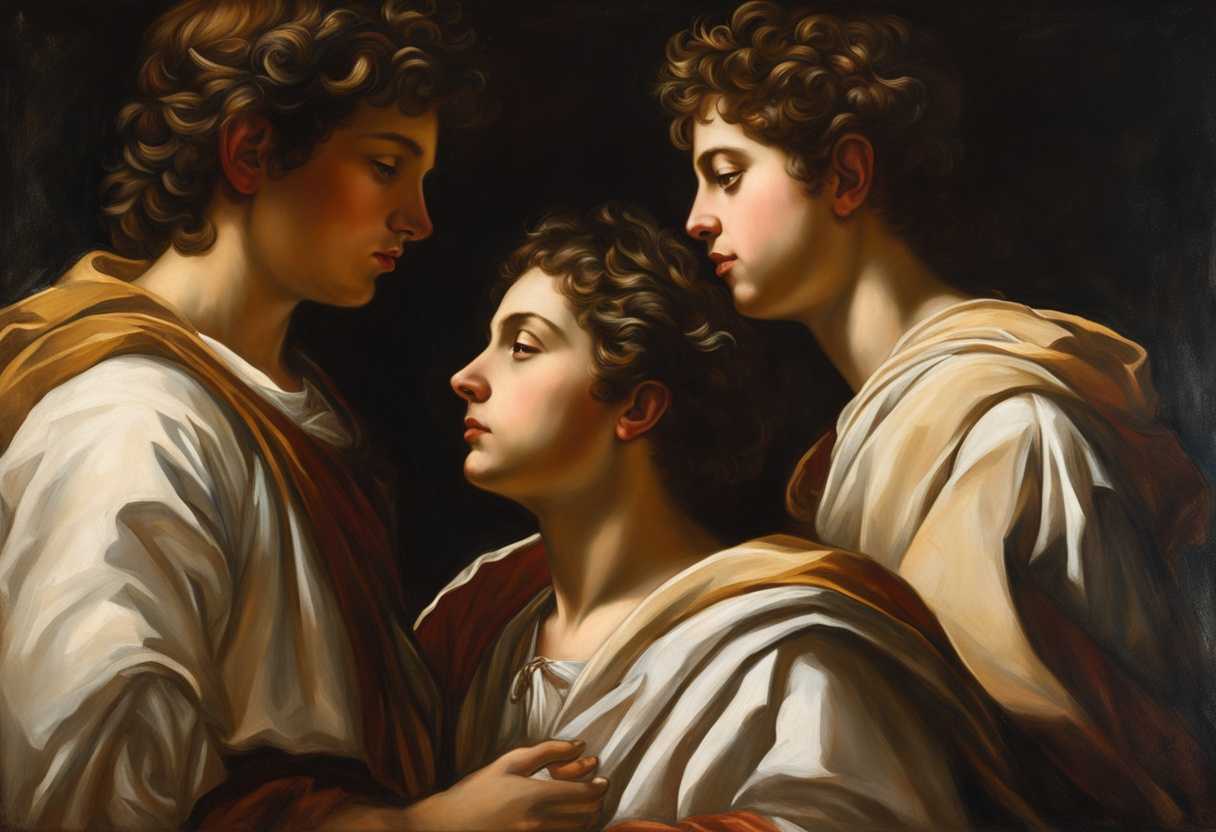
Noah, a righteous man in the eyes of God, is standing outside the ark with his wife, their three sons – Shem, Ham, and Japheth – and their wives. The animals that were saved on the ark are now beginning to disembark, filling the air with a cacophony of sounds as they explore their new surroundings. The rainbow, a symbol of God’s covenant with Noah and all living creatures, stretches across the sky, a beautiful reminder of God’s promise to never again destroy the Earth with a flood.
As Noah and his family stand in awe of the new world before them, they are filled with gratitude and reverence for God’s mercy and faithfulness. The scene is one of hope and renewal, as they prepare to embark on a new chapter in the history of humanity.
What is Genesis 9:19 about?
This verse from the book of Genesis illustrates a pivotal moment in human history – the dispersal of Noah’s descendants to populate the earth. It marks the beginning of a new chapter in the story of humanity after the great flood. Noah’s descendants spread out, carrying with them the legacy of survival, renewal, and the covenant established with God. The descendants of Noah navigated the challenges of starting anew in a world that had been destroyed and rebuilt by considering the significance of this verse. How did they establish new communities, cultures, and civilizations across different lands? Reflect on the resilience and determination of Noah’s descendants as they embarked on this journey to fulfill their purpose of populating the earth. Let us ponder on this verse and contemplate our own roles in the ongoing story of humanity. How are we, like Noah’s descendants, contributing to the growth and diversity of our world today? How can we draw inspiration from their journey to navigate our own challenges and make a positive impact on the world around us? Let us continue to spread out and populate the earth with love, compassion, and understanding as we strive to embody the spirit of renewal and cooperation.
Understanding what Genesis 9:19 really means
We uncover profound insights about God’s intentions for humanity and the intrinsic unity of the human family in Genesis 9:19. This verse highlights the descendants of Noah, emphasizing that all people on earth descended from these three individuals, Shem, Ham, and Japheth, radically underlining our common humanity. This reference is crucial as it serves as a foundational acknowledgment of our interconnectedness, which has significant theological and ethical implications.
Firstly, understanding that all humans share the same ancestors invites us to reflect on the biblical call to universal brotherhood. Think about this: if we all originate from the same roots, aren’t our lives intertwined in more ways than we often imagine? This perspective challenges us to consider how we treat each other in light of our common heritage. It echoes the broader biblical narrative found, for example, in Matthew 12:50, where Jesus speaks about whoever does the will of His Father is His brother, sister, and mother, reinforcing this concept of a spiritual kinship that transcends even biological connections.
Secondly, recalling our shared descent compels us to confront issues of prejudice and division. Why do divisions persist if we are fundamentally the same? This question should haunt the conscious of every believer and stimulate a re-evaluation of social attitudes. Paul expressly undermines social, ethnic, and gender barriers in Galatians 3:28 by proclaiming that in Christ, “there is neither Jew nor Greek, slave nor free, male nor female,” calling for a radical equality based on our faith and common descent.
What’s more, this appreciation of our shared ancestry encourages a stewardship mindset towards the Earth and each other. Just as Noah’s family was tasked with rebuilding and repopulating the world, we too are charged with its care, reminding us of our responsibilities not only to each other but also to our planet, as stewards of God’s creation (Genesis 1:28). A local church group in a community ravaged by conflict and division decided to host a series of events centered on the theme of common ancestry from Genesis. These events included joint community service projects and inter-faith dialogues. Remarkably, these endeavors sparked a movement towards reconciliation and cooperation that significantly reduced tensions in the area. As we reflect on Genesis 9:19, let us remember the profound bond we share with every human being on this planet. It is a call to action – to live out our faith in expressive, inclusive love, recognizing our shared heritage and the divine image within each person. How might your attitudes and actions change if you viewed every individual as truly your kin? Let us strive to embody this truth in our daily interactions and in our broader engagement with the world.
How can we embrace and respect our spiritual lineage?
Embracing and respecting our spiritual lineage involves recognizing and honoring the roots of our faith, traditions, and beliefs that have been passed down through generations. We show gratitude for the wisdom, guidance, and teachings that our ancestors have imparted to us. We acknowledge the sacrifices and struggles of those who came before us by cherishing our spiritual lineage, paving the way for our spiritual growth and enlightenment.
We can embrace our spiritual heritage by studying the scriptures, traditions, and practices of our faith, diving deep into the teachings and knowledge that have been preserved over time. Through this exploration, we can gain a deeper understanding of our spiritual lineage and the profound impact it has had on shaping our identity and beliefs. Additionally, by embodying the values and principles of our spiritual lineage in our daily lives, we can carry forward the legacy of our ancestors and contribute to the continued flourishing of our faith community. We also cultivate a sense of connection and unity with our religious community by respecting our spiritual lineage, recognizing that we are part of a larger tapestry of believers who are bound together by shared values and traditions. We contribute to the preservation and enrichment of our faith for future generations to come by upholding the teachings and practices of our spiritual lineage with reverence and authenticity.
Application
Imagine you are at the helm of a bustling family reunion, where every face, though different, is connected through a shared lineage. This is the world, a vast family descended from Noah, rich in diversity and bound by unity. Embrace your role in this interconnected family. Challenge yourself to nurture love and respect for all, no matter their path or story, just as you would cherish your own kin. Now, ask yourself: How will I bring this respect and love into every conversation, every meeting, and every decision today?

Reverend Michael Johnson is an experienced Church Minister with a profound expertise in spirituality and guidance. With a serene presence and a compassionate heart, he has faithfully served his congregation for over 20 years, leading them on a spiritual journey towards inner peace and enlightenment. Reverend Johnson’s extensive knowledge of religious philosophies and profound understanding of human nature have made him a trusted confidant and mentor to many, as he seamlessly weaves his profound wisdom into life teachings. Reverend Johnson’s calming demeanor and empathetic nature continue to uplift and heal souls, nurturing a sense of unity and tranquility within his community.