
28 And Noah lived after the flood three hundred and fifty years.
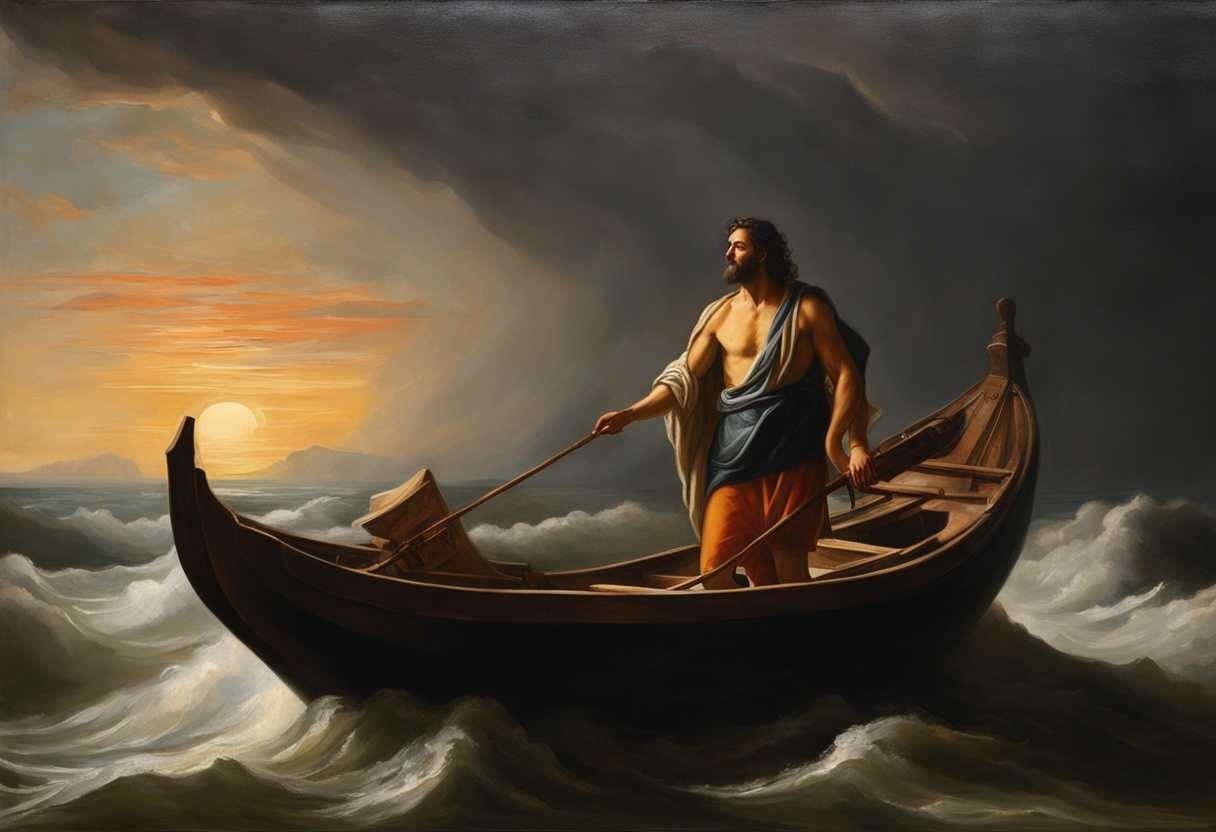
Setting the Scene for Genesis 9:28
In Genesis chapter 9, we find Noah, a righteous man who had found favor in the eyes of the Lord, along with his three sons: Shem, Ham, and Japheth. The scene takes place after the great flood that had covered the earth, and Noah and his family were the only survivors, having been saved by God’s grace through the ark that Noah had built.
As the floodwaters receded and the earth began to dry, Noah and his sons found themselves in a new world, one that had been cleansed of the wickedness that had plagued it. In Genesis 9:28, we see Noah, now advanced in age, in a state of inebriation after drinking wine from his vineyard. His son Ham sees him in this vulnerable state and dishonorably exposes his father’s nakedness, while Shem and Japheth, in contrast, cover their father respectfully without looking at him.
The scene serves as a reminder of the complexities of human nature and the importance of honoring and respecting one’s parents, even in moments of weakness. It also sets the stage for the blessings and curses that Noah pronounces upon his sons in the following verses, shaping the destinies of their descendants.
What is Genesis 9:28 about?
We are given a glimpse into the life of Noah after the great flood in this brief verse. Imagine the hardship, the resilience, and the strength it must have taken for Noah to survive such a catastrophic event and then continue living for another 350 years. This verse reminds us of the endurance and faithfulness of Noah as he navigated through the trials and challenges of rebuilding his life and civilization after such devastation.
Reflect on the significance of this information being mentioned in the Bible. Why is it important for us to know how long Noah lived after the flood? Perhaps it serves as a testament to God’s grace and Noah’s commitment to fulfill his divine purpose. It also gives us a deeper understanding of the impact of the flood on Noah’s life and the generations that followed. Noah’s perseverance, trust in God, and dedication to continue living a life of righteousness despite the adversities he faced should inspire us as we ponder on his post-flood years.
Understanding what Genesis 9:28 really means
First, consider the context within the narrative of Noah and the Flood when discussing Genesis 9:28. This verse states, “After the flood Noah lived 350 years.” This lifespan post-flood is significant as it underscores the theme of restoration and continuity in God’s dealings with mankind.
Firstly, the longevity of Noah post-flood acts as a symbolic testament to God’s mercy and sustaining grace. It reflects on the faithfulness of Noah, who found favor in the eyes of the Lord by living a righteous life amidst a corrupt world. His prolonged life can be seen as God’s reward for Noah’s obedience. This leads us to ponder deeply about our own life choices: Are we, like Noah, living in a way that finds favor with God?
This verse also bridges the gap between the antediluvian and postdiluvian worlds, serving as a pivotal point in biblical history. Noah’s continued life after the flood allowed him to witness the rebuilding of a human civilization committed to God. This narrative continuity is essential in understanding the comprehensive scope of God’s plan for humanity, which is punctuated by moments of judgment and renewal.
Comparatively, this longevity echoes the promises seen in other scriptural passages like Exodus 20:12, where honoring one’s parents promises long life. Here, Noah’s adherence to God’s commands during a time of universal corruption brought him not just physical survival but a prolonged period of life thereafter. It encourages the reader to meditate on the relationship between divine command and human obedience.
The relevance of this verse today lies in its demonstration of hope and renewal. It serves as a reminder that after periods of hardship and turmoil, not only survival but also prolonged blessings can follow if we remain steadfast in faith and obedience. An anecdote from modern life could be the story of a community that, after enduring natural disaster, builds back not just in physical terms but also strengthens their communal and spiritual bonds, thus enjoying renewed peace and stability. Genesis 9:28 ultimately reaches out from the past to speak into our present, urging us to maintain our integrity and faithfulness amidst prevailing moral decay. We not only secure divine favor but also contribute to a legacy that transcends our lifespan, influencing generations to come. As readers and believers, let us reflect on how we are preparing ourselves and our communities to be recipients of God’s continued grace post-crisis.
How can we cultivate a heart of reverence?
To cultivate a heart of reverence, we can reflect on the immense power and wisdom of the divine guidance present in the verse. We can cultivate a deep sense of respect and humility in our hearts by acknowledging the authority and sovereignty of the divine. This reverence can be nurtured through prayer, meditation, and contemplation on the profound teachings found in the verse.
We can also develop a heart of reverence by recognizing the sacredness of all life and creation. We demonstrate our reverence for the divine presence that permeates everything by honoring the interconnectedness of all beings and showing compassion and empathy towards others. Practicing gratitude for the blessings in our lives and approaching each day with a sense of awe and wonder can help instill a spirit of reverence within us. We can cultivate a heart of reverence by actively seeking to align our thoughts, words, and actions with the values and principles embodied in the verse. Through intentional practice and mindful living, we can deepen our connection to the divine and nurture a sense of reverence that guides us in our interactions with others and in our relationship with the world around us.
Application
Imagine standing at the edge of a storm, much like Noah after the flood, with the world washed anew before you. This moment, reflective and full of potential, asks us to navigate our personal and professional challenges with the same resilience and faith Noah showed. It’s about resetting your compass to true north amidst life’s storms—whether it’s in the boardroom or at the family dinner table. Are you ready to rebuild and move forward with unwavering faith as your guide? What steps will you take today to model that steadfast perseverance in your own life’s odyssey? How will you anchor your actions in faithfulness, transforming challenges into stepping stones? Tell me, isn’t this the perfect day to start?

Reverend Michael Johnson is an experienced Church Minister with a profound expertise in spirituality and guidance. With a serene presence and a compassionate heart, he has faithfully served his congregation for over 20 years, leading them on a spiritual journey towards inner peace and enlightenment. Reverend Johnson’s extensive knowledge of religious philosophies and profound understanding of human nature have made him a trusted confidant and mentor to many, as he seamlessly weaves his profound wisdom into life teachings. Reverend Johnson’s calming demeanor and empathetic nature continue to uplift and heal souls, nurturing a sense of unity and tranquility within his community.