
Habakkuk 1:12 is about acknowledging God’s eternal sovereignty and seeking understanding amidst the struggles and injustices of the world.
12 Are you not from everlasting,
O Lord my God, my Holy One?
We shall not die.
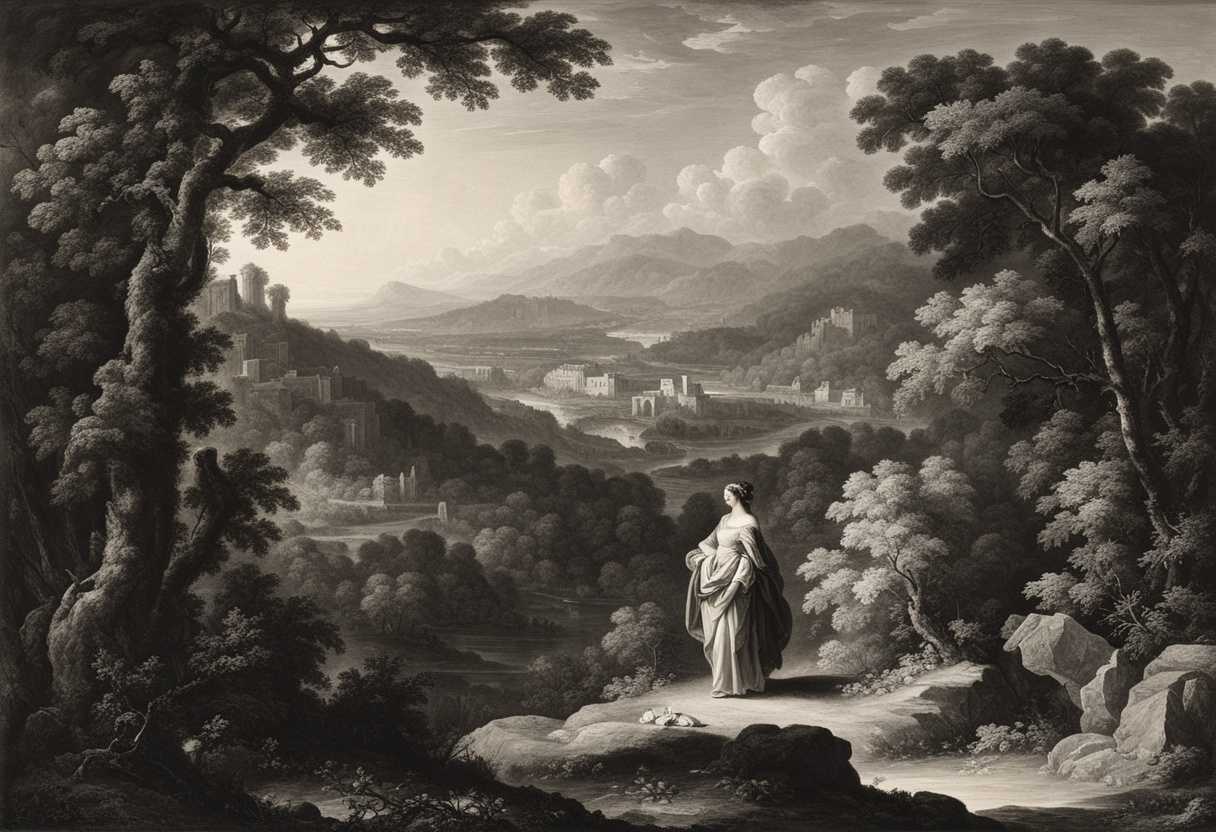
Setting the Scene for Habakkuk 1:12
The scene in Habakkuk chapter 1 opens with the prophet Habakkuk standing in a quiet and serene setting, likely a hillside overlooking the land of Judah. As he looks out over the landscape, troubled by the injustices and violence he sees among his people, he begins to pour out his heart to God. Habakkuk is a faithful servant of God, deeply concerned about the moral decay and corruption that have taken hold of his society.
In the distance, the bustling city of Jerusalem can be seen, with its markets and temples, where the people have turned away from God’s laws and embraced wickedness. Habakkuk’s heart is heavy as he wrestles with the apparent silence of God in the face of such evil. Despite his doubts and questions, he remains steadfast in his faith, seeking understanding and guidance from the Almighty.
As the sun begins to set, casting a warm glow over the land, Habakkuk continues to pray and seek God’s wisdom, longing for a response to his cries for justice and righteousness. The scene is one of contemplation and spiritual struggle, as Habakkuk grapples with the difficult realities of his time, trusting in God’s ultimate sovereignty and justice.
What is Habakkuk 1:12 about?
The prophet Habakkuk expresses his awe and reverence for God’s eternal nature in Habakkuk 1:12. Habakkuk acknowledges God’s infinite existence and purity by addressing God as “O Lord my God, my Holy One.” He is questioning whether God, who is from everlasting and transcends time, will remain silent in the face of injustice and suffering on Earth. Through this verse, Habakkuk is seeking reassurance and understanding from a higher power, recognizing God’s sovereignty and holiness. We, as individuals grappling with life’s challenges and uncertainties, can find solace in Habakkuk’s words. This verse prompts us to reflect on the eternal and holy nature of God, encouraging us to trust in His wisdom and purpose even when we may not understand His ways. It challenges us to deepen our faith and seek comfort in the profound truth that God is unchanging and everlasting. So, the next time you find yourself questioning the events unfolding around you, remember Habakkuk’s acknowledgment of God’s eternal nature and allow it to guide you towards greater faith and trust in the divine plan.
Understanding what Habakkuk 1:12 really means
In the Book of Habakkuk, we encounter a unique dialogue between the prophet and God, delving into profound themes of justice and faith. Written during a tumultuous period marked by the looming threat of Babylonian invasion, Habakkuk raises poignant questions about God’s justice in the face of impending chaos. The prophet’s earnest inquiries mirror the struggles many face when grappling with the apparent injustices and uncertainties of life.
One of the key phrases in this dialogue is, “Are you not from everlasting, O Lord my God, my Holy One?” This poignant question underscores God’s eternal nature and unchanging character, drawing parallels to Psalm 90:2, which extols the timeless existence of the Almighty. The affirmation, “We shall not die,” resonates with the assurance of God’s protection and faithfulness to His covenant people, echoing the sentiments of Romans 8:38-39 on the inseparable bond between believers and God’s love.
Habakkuk’s acknowledgment that God has ordained nations as instruments of judgment reveals a profound understanding of God’s sovereignty in using even the actions of nations to fulfill His purposes. This concept finds resonance in Isaiah 10:5-6, where Assyria is depicted as a tool in the hands of God’s judgment. Furthermore, the imagery of God as a Rock, established for reproof, symbolizes His stability and role as a refuge, akin to the portrayal in Deuteronomy 32:4 of God as the Rock whose works are perfect.
The timeless relevance of Habakkuk’s dialogue is evident in the struggles individuals face today when questioning God’s justice amidst personal or societal turmoil. In such moments of uncertainty, the importance of faith and trust in God’s eternal nature and ultimate justice becomes paramount. Just as Habakkuk sought understanding and found solace in God’s unchanging character, we too can anchor our faith in the eternal wisdom and love of the Almighty.
Consider a narrative of someone navigating a challenging situation, grappling with the why behind God’s allowance of certain events. Like Habakkuk, their journey led them to a place of trust in God’s eternal nature and sovereign plan. Through this trust, they experienced a deepening of faith and understanding, even when immediate circumstances remained unchanged. This anecdote serves as a poignant reminder of the transformative power of unwavering faith in God’s eternal promises.
In conclusion, Habakkuk 1:12 encapsulates profound truths about God’s eternal nature, sovereignty, and unwavering protection. As we navigate the complexities of life, may we find comfort in the unchanging character of God and His ultimate plan for justice. Let us reflect on our own journeys, trusting in God’s eternal wisdom and boundless love, knowing that He remains steadfast amidst the uncertainties of our world.
How can we reconcile God’s justice with suffering?
One way to reconcile God’s justice with suffering is to understand that God’s ways are beyond our understanding. We may not always see how suffering fits into God’s larger plan, but we can trust that He is just and has a purpose for everything that happens. It requires faith to believe that God is working all things together for good, even when we cannot see it in the midst of suffering.
Another way to reconcile God’s justice with suffering is to recognize that suffering can be a result of the brokenness of our world due to sin. While God does not cause suffering, He can use it to bring about greater good, such as drawing people closer to Him or refining their character. Suffering can ultimately lead to growth and transformation in individuals and communities. God’s justice ultimately transcends our human understanding of fairness. He sees the bigger picture and knows how to bring about justice in His perfect timing and ways. Even in the midst of suffering, we can hold on to the hope that God is working out His purposes and that His justice will ultimately prevail.
Application
In the chaotic hustle and bustle of our modern lives, let us draw strength from the unwavering power of our eternal God. When uncertainty clouds our minds, may we find guidance and solace by leaning on His infinite wisdom. Just as we juggle our responsibilities at work and with our families, let us also prioritize our relationship with Him. Will you allow His eternal promise to guide you through the complexities of life?

Reverend Michael Johnson is an experienced Church Minister with a profound expertise in spirituality and guidance. With a serene presence and a compassionate heart, he has faithfully served his congregation for over 20 years, leading them on a spiritual journey towards inner peace and enlightenment. Reverend Johnson’s extensive knowledge of religious philosophies and profound understanding of human nature have made him a trusted confidant and mentor to many, as he seamlessly weaves his profound wisdom into life teachings. Reverend Johnson’s calming demeanor and empathetic nature continue to uplift and heal souls, nurturing a sense of unity and tranquility within his community.