
Habakkuk 1:13 is about the prophet questioning how a just God can tolerate the existence of evil and injustice in the world.
13 You who are of purer eyes than to see evil
and cannot look at wrong,
why do you idly look at traitors
and remain silent when the wicked swallows up
the man more righteous than he?
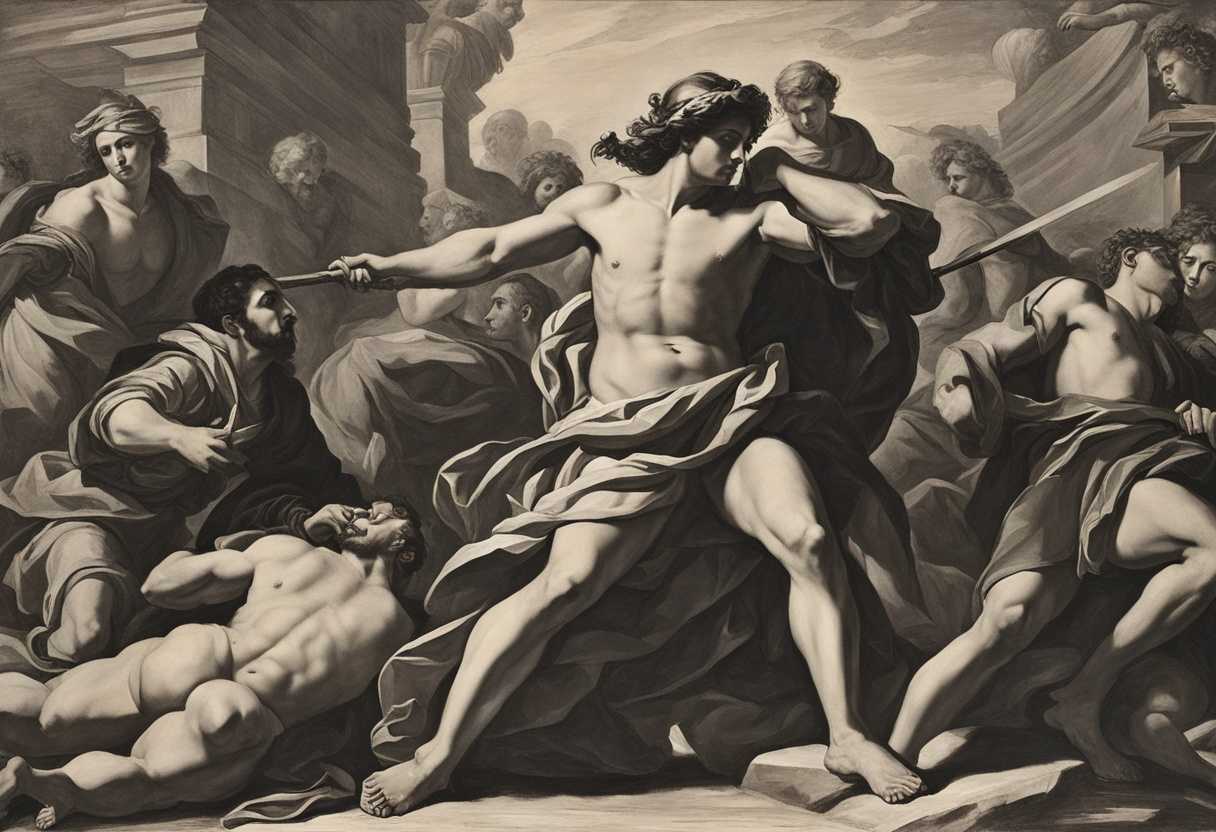
Setting the Scene for Habakkuk 1:13
The scene in Habakkuk chapter 1 is set in ancient Judah, during a time of great turmoil and injustice. Habakkuk, a prophet, is standing on a hill overlooking the land, his heart heavy with the burden of the wickedness and violence he sees around him. The prophet is known for his deep concern for the moral and spiritual state of his people, and he is troubled by the apparent silence of God in the face of such evil.
As Habakkuk looks out over the landscape, he sees the people of Judah engaging in all manner of wrongdoing, with no regard for God’s laws or for the well-being of their fellow human beings. The prophet is wrestling with the age-old question of why the righteous suffer while the wicked prosper, and he is seeking answers from God about how such injustice can be allowed to continue unchecked.
In this scene, Habakkuk is alone in his contemplation, surrounded only by the rugged beauty of the Judean countryside. The sun is setting in a blaze of red and gold, casting long shadows across the land and adding to the prophet’s sense of foreboding. As he waits for a response from God, Habakkuk’s faith is tested, but his determination to seek justice and righteousness remains unshaken.
What is Habakkuk 1:13 about?
This verse speaks to the essential aspects of God’s character: holiness, purity, and intolerance of evil. God’s holiness encompasses His absolute moral perfection and separation from sin. It highlights the inherent purity and righteousness that define God’s nature. God presents evil as something incompatible with His character, as He cannot endorse or coexist with it.
The verse emphasizes that God’s holiness serves as a moral standard by which He judges everything. It prompts us to reflect on our own actions and align them with God’s purity. We are called to strive for righteousness and reject sinful behaviors as we contemplate God’s holiness and His unwavering stance against evil. This verse underscores the importance of living in accordance with God’s standards and seeking to be pure in our thoughts, words, and deeds.
Think about the implications of God’s holiness and our own imperfections. How does this verse challenge us to examine our lives and pursue purity in all aspects? What steps can we take to align our actions with God’s character, knowing that He cannot tolerate evil? Let this verse inspire you to seek holiness in your daily walk and uphold God’s standards of righteousness in a world filled with moral ambiguities.
Understanding what Habakkuk 1:13 really means
Habakkuk, a minor prophet in the Old Testament, engages in a profound dialogue with God, expressing his struggle to comprehend the existence of evil and its apparent impunity. In his second complaint to God, he grapples with the perplexing question of why God allows evil to persist without immediate retribution. The verse in focus, “Your eyes are too pure to look on evil; you cannot tolerate wrongdoing,” delves into the essence of God’s holiness and righteousness. It portrays God as inherently pure, to the extent that He cannot even bear to witness evil, let alone condone it.
The phrase “Your eyes are too pure to look on evil” underscores the absolute holiness of God, highlighting His inability to tolerate or overlook sin. It serves as a poignant reminder of God’s unwavering purity and moral perfection. Similarly, the assertion that “You cannot tolerate wrongdoing” reinforces the concept of God’s justice and righteousness, emphasizing His inability to accept or ignore sin and injustice in any form.
Drawing parallels with other biblical passages such as Psalm 5:4, Isaiah 59:2, and 1 John 1:5, we find a consistent portrayal of God’s intolerance towards evil and His separation from sin. These verses collectively emphasize the fundamental nature of God’s purity and His aversion to darkness and wrongdoing. They provide a comprehensive view of God’s character as a just and righteous deity who stands in stark contrast to sin and wickedness.
The relevance of this verse transcends time, resonating with individuals grappling with the age-old question of the existence of evil and the apparent delay in its punishment. It serves as a source of reassurance for believers, affirming that God is cognizant of the evil in the world and that His nature inherently opposes it. In times of confusion and injustice, this verse encourages people to place their trust in God’s ultimate justice, even when circumstances seem perplexing or unfair.
An illustrative anecdote featuring a trustworthy judge in a courtroom underscores the importance of God’s purity and justice in fostering trust and faith among believers. Just as people rely on the integrity of a fair judge, so too can individuals trust in God’s righteousness and unwavering commitment to justice. A personal narrative further elucidates the impact of Habakkuk 1:13, showcasing how it can bring solace and understanding to those grappling with the complexities of injustice and suffering.
In conclusion, Habakkuk 1:13 beckons us to place our faith in God’s character and His overarching plan for justice. It serves as a poignant reminder that while we may not always comprehend the workings of God, we can find solace in His purity and righteousness. By reflecting on this verse and its interconnected scriptures, we can discover peace and assurance in God’s unchanging commitment to justice and holiness.
How can a just God allow suffering and evil?
Habakkuk 1:13 addresses the question of why a just God allows suffering and evil by highlighting the fact that God is holy and cannot tolerate wrongdoing. The verse emphasizes that God’s eyes are too pure to look upon evil, and He cannot tolerate wrongdoing. This teaches us that God’s nature is fundamentally opposed to sin and evil, and He is just in His ways.
Therefore, the presence of suffering and evil in the world does not diminish God’s justice but rather underscores His righteousness. While we may not always understand why God allows certain things to happen, we can trust in His character and purpose. God will ultimately prevail with His justice, bringing about justice and righteousness in His perfect timing. The verse in Habakkuk reminds us that even in the midst of suffering and evil, God remains holy and just.
Application
Dear friend, just as we fine-tune our work to perfection, let’s align our hearts to follow God’s will. Be not on autopilot, but be the change in our modern world filled with challenges. Let’s roll up our sleeves and be the architects of God’s righteousness and justice on Earth. Will you step up and make a difference in the eyes of the Almighty?

Reverend Michael Johnson is an experienced Church Minister with a profound expertise in spirituality and guidance. With a serene presence and a compassionate heart, he has faithfully served his congregation for over 20 years, leading them on a spiritual journey towards inner peace and enlightenment. Reverend Johnson’s extensive knowledge of religious philosophies and profound understanding of human nature have made him a trusted confidant and mentor to many, as he seamlessly weaves his profound wisdom into life teachings. Reverend Johnson’s calming demeanor and empathetic nature continue to uplift and heal souls, nurturing a sense of unity and tranquility within his community.