
Isaiah 14:11-14 is about the downfall of the prideful King of Babylon who sought to exalt himself like God but was ultimately brought low by his own arrogance.
11 Your pomp is brought down to Sheol, the sound of your harps; maggots are laid as a bed beneath you, and worms are your covers.
12 “How you are fallen from heaven, O Day Star, son of Dawn! How you are cut down to the ground, you who laid the nations low!”
13 You said in your heart, ‘I will ascend to heaven; above the stars of God I will set my throne on high; I will sit on the mount of assembly in the far reaches of the north;
14 I will ascend above the heights of the clouds;
I will make myself like the Most High.’
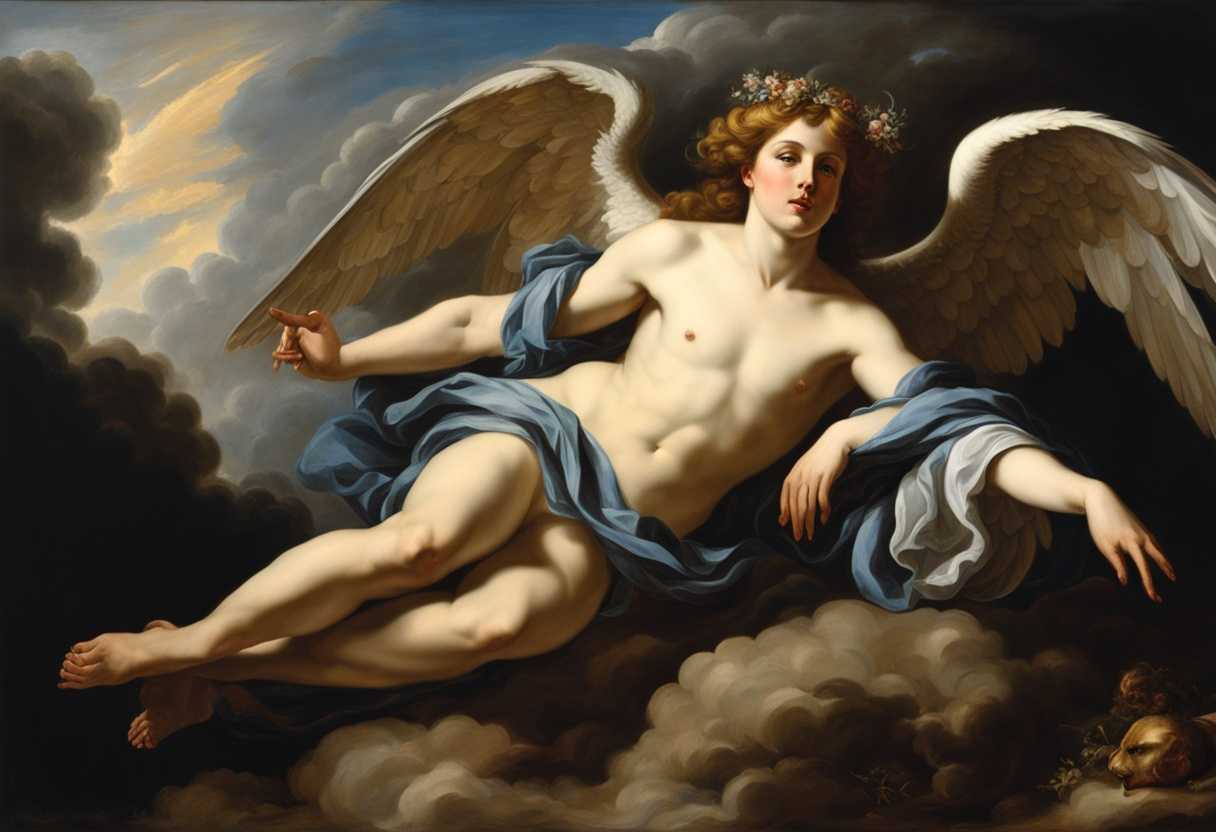
Setting the Scene for Isaiah 14:11-14
In Isaiah chapter 14, we find a vivid scene depicting the downfall of the king of Babylon. The setting is a grand assembly in the depths of Sheol, the realm of the dead. As the proud king is brought low, he is met by the spirits of other rulers who have gone before him. The once mighty monarch, now stripped of his power and glory, is taunted by these spirits who marvel at his fall from grace.
Among the figures in this scene are the kings of the nations who have been conquered by the king of Babylon, as well as the rulers of the underworld who now mock his demise. The atmosphere is somber and eerie, with the echoes of past triumphs now replaced by the harsh reality of defeat and humiliation. The king, who once sought to ascend to the heights of heaven, is now cast down to the depths of Sheol, a stark reminder of the fleeting nature of earthly power and pride.
What is Isaiah 14:11-14 about?
Absolutely! This verse, Isaiah 14:12-15, vividly portrays the consequences of pride and arrogance. It serves as a cautionary tale, warning against the dangers of excessive pride and self-importance. The imagery of the king of Babylon being brought down from his lofty position is a powerful metaphor for the potential downfall of anyone who becomes consumed by their own ego. These verses remind us of the importance of humility and the pitfalls of hubris by showcasing the ultimate fate of the king of Babylon. It prompts us to reflect on our own behaviors and attitudes, encouraging us to strive for a balance between confidence and humility. This passage serves as a timeless reminder that no one is invincible, and that arrogance can lead to one’s own undoing. Let us consider our own actions and attitudes as we ponder over these verses. Are we too prideful or boastful in our accomplishments? Are we willing to acknowledge our shortcomings and learn from our mistakes? Let us heed the warning presented in this passage and strive to cultivate a spirit of humility and gratitude in all that we do.
Understanding what Isaiah 14:11-14 really means
Isaiah 14:11-14 delves into the downfall of the king of Babylon, often symbolizing the fall of Satan due to his pride and rebellion against God. The passage serves as a cautionary tale against arrogance and self-exaltation, highlighting the repercussions of attempting to elevate oneself above the divine. “Your pomp is brought down to Sheol” vividly portrays the descent from grandeur to the depths of the grave, illustrating the fate of the prideful. Similarly, “The maggot is spread under you and worms cover you” paints a stark picture of decay and mortality, reminding us of the inevitable end awaiting all, regardless of earthly power.
“How you are fallen from heaven, O Day Star, son of Dawn!” is often interpreted as a reference to Lucifer, showcasing the dramatic fall from exalted heights to disgrace. The inner thoughts of pride and ambition are revealed in “You said in your heart, ‘I will ascend to heaven; above the stars of God’,” displaying the desire to usurp God’s position. “I will make myself like the Most High” epitomizes the ultimate rebellion, equating oneself with God and leading to downfall. Ezekiel 28:12-17 and Proverbs 16:18 provide additional insights into the theme, emphasizing the perils of pride and the inevitable destruction it brings.
In Luke 10:18, Jesus’ words, “I saw Satan fall like lightning from heaven,” reinforce the imagery of a dramatic fall due to pride. These verses remain relevant today, cautioning against excessive pride in a world that often glorifies self-promotion. They serve as a sobering reminder of mortality, emphasizing that regardless of worldly success, all are subject to the same end. Acknowledging God’s sovereignty and resisting the urge to place oneself above Him are crucial lessons gleaned from Isaiah 14:11-14.
Consider a successful CEO who, consumed by pride and self-assurance, neglects advice and mistreats employees, leading to the downfall of his once-thriving company. This narrative mirrors the message of Isaiah 14:11-14, illustrating how arrogance and self-exaltation can pave the path to ruin. Ultimately, these verses compel us to reflect on the dangers of pride, the significance of humility, and the imperative of recognizing God’s ultimate authority in our lives.
What happens when pride leads to destruction?
When pride leads to destruction, it ultimately results in a fall from grace. Seeking to exalt oneself above others, even above God, results in the downfall in the context of this verse. This kind of pride is an act of rebellion and defiance against divine authority, which inevitably leads to a humbling and a loss of status. The imagery used in this verse emphasizes the fleeting nature of worldly power and the ultimate futility of trying to surpass the limits set by the Creator.
The destruction that pride brings is not just a physical or external downfall, but also a spiritual one. It represents a turning away from what is right and just, and an embrace of selfish desires and ambitions. Pride ultimately blinds individuals to their own limitations and leads them to overestimate their importance and abilities. The consequences of such prideful behavior are not only external punishment, but also an inner sense of shame and regret for having strayed from the path of humility and righteousness in the end.
Application
Don’t let pride and rebellion take control in your life. Reflect on the lessons from Isaiah 14:11-14. Choose humility and surrender to the higher power. Will you embrace humility and yield to God’s guidance, avoiding the pitfall of pride in your journey?

Reverend Michael Johnson is an experienced Church Minister with a profound expertise in spirituality and guidance. With a serene presence and a compassionate heart, he has faithfully served his congregation for over 20 years, leading them on a spiritual journey towards inner peace and enlightenment. Reverend Johnson’s extensive knowledge of religious philosophies and profound understanding of human nature have made him a trusted confidant and mentor to many, as he seamlessly weaves his profound wisdom into life teachings. Reverend Johnson’s calming demeanor and empathetic nature continue to uplift and heal souls, nurturing a sense of unity and tranquility within his community.