
Isaiah 16:1 is about the call for Moab to provide refuge and shelter to those fleeing from the destruction of Judah, emphasizing the importance of showing mercy and compassion to those in need.
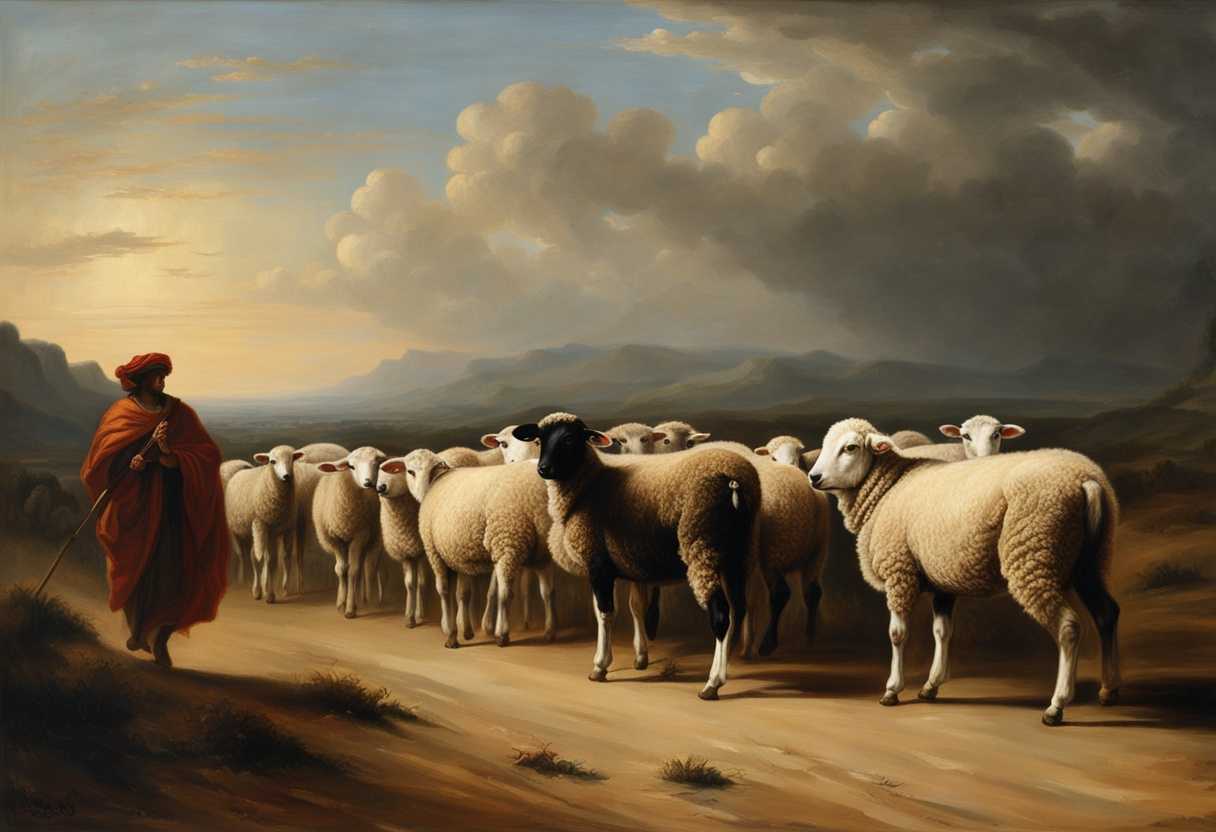
1 Send the lamb to the ruler of the land, from Sela, by way of the desert, to the mount of the daughter of Zion.
Setting the Scene for Isaiah 16:1
In Isaiah chapter 16, we find a scene set in the ancient kingdom of Moab, a land located east of the Dead Sea. The chapter begins with a call for the people of Moab to send lambs as tribute to the ruler of Judah, as a sign of submission and seeking protection. The Moabites, known for their pride and independence, are now faced with the reality of seeking help from their neighboring kingdom.
The scene unfolds in a grand hall within the palace of the Moabite king, where the nobles and advisors are gathered to discuss the prophet Isaiah’s message. The room is adorned with intricate tapestries depicting scenes of battles and victories, reflecting the Moabites’ history of strength and conquest. The air is heavy with tension as the king deliberates on whether to heed Isaiah’s words and send the tribute, a decision that could potentially alter the course of their kingdom’s future.
Among those present are the king’s trusted advisors, including military generals and religious leaders, each offering their counsel on the matter at hand. The flickering torches cast a warm glow on the faces of the assembly, highlighting the concern and apprehension etched on their features. As the discussion unfolds, the weight of the decision weighs heavily on the room, with the fate of the kingdom hanging in the balance.
What is Isaiah 16:1 about?
The verse in Isaiah 16:1 is illustrating a call to action for the people to send tribute to the ruler of the land. The imagery of sending lambs as tribute was a common practice during ancient times where individuals or nations would present valuable offerings to show respect, seek favor, or pay homage to a higher authority. This verse conveys the idea of submission to authority and acknowledging the ruler’s power and sovereignty. This verse can be interpreted as an instructional piece reminding individuals to honor and respect those in positions of authority or leadership. It also highlights the importance of showing reverence and obedience to those who hold power in society. Sending lambs as tribute signifies a symbolic gesture of loyalty and willingness to comply with the authority’s commands. Reflect on the implications this verse holds for your own life. How can you apply the concept of honoring and respecting authority figures in your daily interactions and relationships? Are there ways you can show appreciation and deference to those who hold positions of leadership in various aspects of your life? You can deepen your understanding of the significance of this verse and its relevance to your own spiritual and ethical journey by pondering on these questions.
Understanding what Isaiah 16:1 really means
Isaiah 16:1 delves into a prophecy concerning Moab, shedding light on the judgment and eventual restoration of this neighboring nation of Israel. The verse urges the act of sending a tribute to the ruler of the land, symbolizing a plea for mercy and protection. This call for humility and submission resonates with timeless themes of seeking peace and reconciliation, even with those perceived as adversaries. In a world rife with conflicts and divisions, the message of offering respect and seeking harmony with others remains profoundly relevant.
Drawing parallels from related passages such as Isaiah 2:4, Micah 4:3, and Psalm 72:10-11, we glimpse a vision of nations laying down their weapons, seeking peace, and honoring higher authorities. These scriptures echo the sentiment of Isaiah 16:1, emphasizing the significance of humility and reverence in fostering unity and understanding among nations and individuals alike.
Consider a modern-day scenario where a struggling small business owner partners with a larger, more prosperous company by offering a share of their profits—a contemporary form of tribute. This act mirrors the plea for protection and mercy in Isaiah 16:1, illustrating the power of humility and collaboration in securing support and growth.
The symbolic phrases within the verse, such as “Send lambs,” “To the ruler of the land,” and “From Sela, across the desert,” carry profound meanings. “Send lambs” signifies a gesture of peace and submission, urging us to approach others with humility and a willingness to seek favor. “To the ruler of the land” underscores the importance of recognizing authority and seeking protection from those in power. “From Sela, across the desert” highlights the sacrifices and efforts required in pursuing peace and reconciliation, emphasizing the arduous journey towards humility and harmony.
By internalizing these principles and applying them to our interactions and conflicts, we can navigate relationships with a spirit of humility and a genuine desire for peace. Just as the plea for mercy and protection in Isaiah 16:1 calls for respect and submission, we are reminded of the transformative power of humility in fostering understanding and unity in a world often marred by discord and strife.
How can we show kindness to those in need?
One way to show kindness to those in need is by offering them refuge and shelter in times of distress. We not only provide physical support but also show compassion and empathy towards their situation by reaching out to those who are vulnerable and offering them a safe place. This act of kindness can bring comfort and hope to those who are in need of assistance.
Another way to show kindness is by extending our help and resources to those who are suffering or in need. This could involve offering food, clothing, or financial assistance to help alleviate their burdens. We demonstrate generosity and solidarity with those facing challenges or difficulties by generously sharing what we have with others.
Additionally, showing kindness to those in need can also involve providing emotional support and understanding. Sometimes all someone needs is a listening ear or a comforting presence to help them navigate through tough times. We can make a meaningful difference in their lives and show them that they are not alone in their journey by offering our time, attention, and care to those who are struggling.
Application
Let’s embrace the message of Isaiah 16:1 and be beacons of compassion in a world that often lacks empathy. It’s time to rise and stand with those in need, showing them kindness and support. Will you be the ray of hope in someone’s storm today?

Reverend Michael Johnson is an experienced Church Minister with a profound expertise in spirituality and guidance. With a serene presence and a compassionate heart, he has faithfully served his congregation for over 20 years, leading them on a spiritual journey towards inner peace and enlightenment. Reverend Johnson’s extensive knowledge of religious philosophies and profound understanding of human nature have made him a trusted confidant and mentor to many, as he seamlessly weaves his profound wisdom into life teachings. Reverend Johnson’s calming demeanor and empathetic nature continue to uplift and heal souls, nurturing a sense of unity and tranquility within his community.