
1 For behold, the Lord God of hosts
is taking away from Jerusalem and from Judah
support and supply,
all support of bread,
and all support of water;
2 the mighty man and the soldier, the judge and the prophet, the diviner and the elder,
3 And I will make boys their princes, and infants shall rule over them.
4 And I will make boys their princes, and infants shall rule over them.
5 And the people will oppress one another, every one his fellow and every one his neighbor; the youth will be insolent to the elder, and the despised to the honorable.
6 For a man will take hold of his brother
in the house of his father, saying:
“You have a cloak;
you shall be our leader,
and this heap of ruins
shall be under your rule.”
7 In that day he will speak out, saying: “I will not be a healer; in my house there is neither bread nor cloak; you shall not make me leader of the people.”
8 For Jerusalem has stumbled,
and Judah has fallen,
because their speech and their deeds are against the Lord,
defying his glorious presence.
9 For the look on their faces bears witness against them;
they proclaim their sin like Sodom;
they do not hide it.
Woe to them!
For they have brought evil on themselves.
10 Tell the righteous that it shall be well with them, for they shall eat the fruit of their deeds.
11 Woe to the wicked! It shall be ill with him, for what his hands have dealt out shall be done to him.
12 My people—infants are their oppressors,
and women rule over them.
O my people, your guides mislead you
and they have swallowed up the course of your paths.
13 The Lord has taken his place to contend;
he stands to judge peoples.
14 The Lord will enter into judgment with the elders and princes of his people: “It is you who have devoured the vineyard, the spoil of the poor is in your houses.
15 What do you mean by crushing my people, by grinding the face of the poor?” declares the Lord God of hosts.
16 The Lord said: Because the daughters of Zion are haughty and walk with outstretched necks, glancing wantonly with their eyes, mincing along as they go, tinkling with their feet,
17 therefore the Lord will strike with a scab the heads of the daughters of Zion, and the Lord will lay bare their secret parts.
18 In that day the Lord will take away the finery of the anklets, the headbands, and the crescents;
19 the festal robes, the mantles, the cloaks, and the handbags;
20 the headdresses, the armlets, the sashes, the perfume boxes, and the amulets;
21 the signet rings and nose rings;
22 the festal robes, the mantles, the cloaks, and the handbags;
23 who the festal robes, the mantles, the cloaks, and the handbags,
24 Instead of perfume there will be rottenness;
and instead of a belt, a rope;
and instead of well-set hair, baldness;
and instead of a rich robe, a skirt of sackcloth;
and branding instead of beauty.
25 Your men shall fall by the sword
and your mighty men in battle.
26 And her gates shall lament and mourn;
empty, she shall sit on the ground.
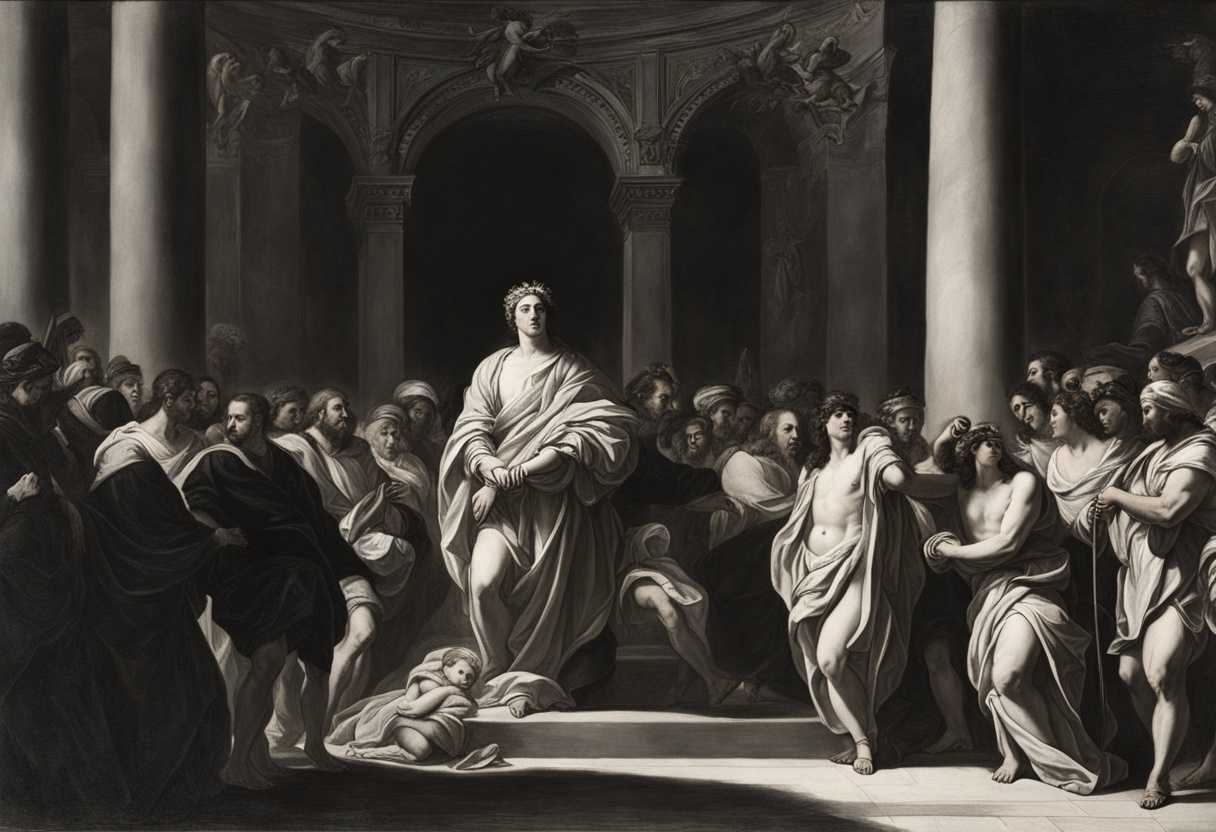
The True Meaning of Isaiah 3
The book of Isaiah was written by the prophet Isaiah, who lived during the reigns of several Judean kings in the 8th century BCE. Isaiah was known for his powerful messages of judgment and hope, often delivered through vivid imagery and symbolic actions. Isaiah continues his prophecy in this chapter, warning the people of Judah and Jerusalem about the impending judgment that will come upon them due to their disobedience and moral decay. He foretells the removal of the nation’s leaders and the collapse of its social order, foreshadowing the eventual exile and captivity that will befall the people. However, even in the midst of this grim prophecy, Isaiah offers a glimmer of hope, hinting at the future restoration and redemption that will come through the Messiah. Isaiah echoes the warnings found in other biblical books, such as Deuteronomy, where we clearly lay out the consequences of turning away from God as we delve into this chapter. The prophet’s message serves as a sobering reminder of the importance of repentance and obedience, and the need for the people to return to the Lord before it’s too late.
Isaiah 3:1-5
The Lord is removing all supplies of support and sustenance from the city in Isaiah 3:1-5, opening the passage with a drastic change of roles within the society of Jerusalem. The verse starts by highlighting the Lord’s action of taking away the staff of bread and the staff of water from the city of Jerusalem. Bread and water are basic necessities, representing sustenance and provision. This deprivation of essential resources signifies a severe judgment upon the people for their disobedience and unfaithfulness. It is a demonstration of the consequences of turning away from God and His commandments, leading to the removal of His blessings and protection.
The impact of this deprivation in a biblical sense is profound. The Bible often uses bread as a symbol of life and sustenance. Jesus refers to Himself as the “bread of life” in John 6:35, emphasizing the spiritual sustenance that He provides. Water is also significant in the Bible, symbolizing cleansing, renewal, and spiritual nourishment. Jesus describes Himself as the one who provides living water in John 4:14, which will become a spring of water welling up to eternal life. Thus, the removal of bread and water in Isaiah 3 signifies not just physical deprivation but also spiritual desolation resulting from disobedience and sin. The passage goes on to explain the impact of this judgment on the people of Jerusalem – they will lack essential provisions because of their sinfulness. It specifically mentions the mighty man and the man of war, the judge and the prophet, the diviner and the elder, the captain of fifty, and the honorable man. Each of these categories of individuals held significant roles in society – the mighty man and man of war, for example, would have been responsible for the defense and protection of the city, the judge for upholding justice, and the prophet for delivering God’s messages. The removal of these key figures reflects the collapse of order, leadership, and guidance within the community due to their moral decline and unfaithfulness.
This passage serves as a cautionary tale about the consequences of sin and disobedience. It underscores the importance of obedience to God’s commands and the enduring impact of faithfulness. It also highlights the interplay between physical realities and spiritual truths in the biblical narrative, illustrating how material deprivation can symbolize deeper spiritual issues. This passage aligns with the theme of divine judgment and restoration in the broader context of the Bible, emphasizing the need for repentance and reconciliation with God in order to receive His mercy and blessings.
Isaiah 3:6-12
The passage in Isaiah 3:6-12 describes a society in moral decay and societal breakdown, leading to dire consequences for the people. This section can be broken down into a few key points for a clearer understanding.
Starting with verse 6, it mentions a breakdown in leadership within the society of Judah: “A man will seize one of his brothers in his father’s house, and say, ‘You have a cloak, you be our leader; take charge of this heap of ruins!’” This portrays a scene of chaos and desperation where people are looking for someone, anyone, to take charge, even if it means appointing unqualified individuals to positions of authority. This breakdown in leadership is a result of God’s judgment on the society for their disobedience and sin.
Moving on to verse 8, we see the reason for God’s judgment on the people: “Jerusalem staggers, Judah is falling; their words and deeds are against the Lord, defying his glorious presence.” The moral decay and rebellion of the people against God have led to their downfall. Their words and actions are no longer aligned with God’s will, and they face the consequences of their disobedience.
Verse 9 describes the brazenness of the people’s sin: “The look on their faces testifies against them; they parade their sin like Sodom; they do not hide it. Woe to them! They have brought disaster upon themselves.” The people openly flaunt their sin, showing no shame or remorse for their actions. This bold defiance of God’s laws only adds to the severity of their punishment. The distinction between the righteous and the wicked is seen in verse 11: “Woe to the wicked! Disaster is upon them! They will be paid back for what their hands have done.” Those who have chosen to rebel against God will face the consequences of their actions, while the righteous will be rewarded for their faithfulness.
Finally, verse 12 paints a picture of a society turned upside down: “Youths oppress my people, women rule over them. O my people, your guides lead you astray; they turn you from the path.” This verse highlights the breakdown of societal norms and roles, where the natural order of authority and leadership has been distorted. This distortion is a result of the people turning away from God and His principles, leading to confusion and chaos in their midst. This passage in Isaiah serves as a warning about the consequences of turning away from God and living in disobedience. It underscores the importance of remaining faithful to God’s commandments and recognizing the impact of sin on both individuals and society as a whole. Through these verses, we are reminded of the timeless message of God’s justice, the consequences of moral decay, and the need for repentance and turning back to Him for redemption. Other verses in the Bible, such as Proverbs 14:34 stating “Righteousness exalts a nation, but sin condemns any people,” echo this sentiment of the importance of living in accordance with God’s will for a prosperous and righteous society.
Isaiah 3:13-15
Isaiah paints a vivid picture of the judgment that will befall the people of Judah due to their sinful ways in Isaiah 3:13-15. Let’s break down these verses into important sections to provide a deeper commentary on their meanings.
Firstly, in verse 13, Isaiah declares, “The Lord stands up to plead, and stands to judge the people.” Here, we see the image of God rising to bring judgment upon His people for their transgressions. This demonstrates the righteousness and justice of God, who will not tolerate sin indefinitely. Throughout the Bible, particularly in the Old Testament, we see instances where God brings judgment upon nations or individuals for their disobedience. This verse serves as a reminder that God is just and will hold His people accountable for their actions.
Moving on to verse 14, Isaiah reveals, “The Lord will enter into judgment with the elders of His people and their princes: ‘For you have eaten up the vineyard; the plunder of the poor is in your houses.’” This section specifically addresses the leaders of Judah, condemning them for their oppression of the weak and vulnerable. The reference to “eating up the vineyard” signifies the exploitation of the resources and labor of the people for personal gain by those in positions of authority. This reflects a recurring theme in the Bible where leaders are called to act justly and care for the less fortunate, but instead, they often abuse their power for selfish purposes. This verse serves as a warning against corruption and injustice, emphasizing the importance of leaders acting with righteousness and compassion.
Lastly, in verse 15, Isaiah foretells the consequences of the people’s actions, stating, “What do you mean by crushing My people and grinding the faces of the poor?” This powerful imagery illustrates the suffering and oppression experienced by the downtrodden at the hands of the privileged and powerful. The act of “grinding the faces of the poor” symbolizes the humiliation and dehumanization inflicted upon those who are vulnerable and marginalized in society. Throughout the Bible, there is a consistent message of God’s concern for the poor and oppressed, and a call for His people to show compassion and justice towards them. This verse underscores the importance of caring for the most vulnerable in society and treating all individuals with dignity and respect. Isaiah 3:13-15 serves as a poignant reminder of God’s justice, the accountability of leaders, and the call to care for the marginalized in society. These verses convey timeless messages that are relevant not only to the people of Judah in Isaiah’s time but also to believers today. Let us reflect on these passages and strive to act with righteousness, compassion, and integrity in our interactions with others, following the example set forth in the Word of God.
Isaiah 3:16-17
The Lord says in Isaiah 3:16-17 that the women of Zion are haughty, walking along with outstretched necks, flirting with their eyes, strutting along with swaying hips, with ornaments jingling on their ankles. Therefore, the Lord will bring sores on the heads of the women of Zion; the Lord will make their scalps bald.” These verses specifically address the pride and vanity exhibited by the women of Zion.
The imagery presented in these verses depicts a society where women are characterized by extravagance, arrogance, and a focus on outward appearances. The use of phrases such as “haughty,” “outstretched necks,” “flirting with their eyes,” and “swaying hips” illustrates their self-indulgence and disregard for humility. The mention of ornaments and jingling ankle bracelets emphasizes their preoccupation with adornment and fashion. This portrayal serves as a warning against the dangers of superficiality and vanity, highlighting the importance of modesty and inner beauty over external displays of wealth or status.
The consequences of their prideful behavior are severe, as the Lord declares that he will bring affliction upon them in the form of sores and baldness. This punishment serves as a manifestation of divine judgment against their sinful attitudes and actions. It underscores the biblical principle that God opposes the proud but shows favor to the humble (James 4:6).
This passage in Isaiah resonates with broader themes found throughout the Bible regarding the dangers of pride and the importance of humility. Proverbs 16:18 warns, “Pride goes before destruction, a haughty spirit before a fall.” The story of the fall in Genesis, where Adam and Eve’s disobedience stemmed from pride and a desire to be like God, also reinforces the destructive nature of arrogance. Jesus exemplified humility throughout his life, teaching his followers to serve others selflessly and to prioritize a humble heart (Matthew 23:12). Isaiah 3:16-17 serves as a cautionary tale about the perils of vanity and self-centeredness. It calls for introspection and a focus on cultivating inner beauty, character, and righteousness, rather than being consumed by external appearances and worldly desires. It invites readers to reflect on their own attitudes and behaviors, reminding them of the Godly qualities of humility, modesty, and a meek spirit that are valued in the eyes of the Lord.
Isaiah 3:18-23
The prophet in Isaiah 3:18-23 describes a scene where he calls out the women of Judah for their pride, haughtiness, and extravagant fashion choices. This passage provides a vivid picture of a society that has strayed away from God’s ways and is facing the consequences of their actions. The women are condemned for their adornments, which include anklets, headbands, earrings, bracelets, veils, headdresses, armlets, sashes, perfume-boxes, amulets, signet rings, nose rings, festal robes, mantles, cloaks, wallets, hand mirrors, linen garments, turbans, and shawls.
This detailed list of accessories and garments serves to highlight the excessive focus on external appearances and material wealth, rather than on inner virtues and spiritual matters. The emphasis on outward beauty and luxury reflects a society that is more concerned with worldly pleasures and status symbols than with righteousness and humility before God. Isaiah is warning the people of Judah about the dangers of placing too much importance on external appearances and material possessions by calling out the women’s superficiality and vanity. This message is timeless and relevant even today, reminding us to prioritize qualities such as humility, kindness, and righteousness over outward displays of wealth or beauty.
Throughout the Bible, there are numerous warnings against the pitfalls of pride and materialism. Proverbs 31:30 states, “Charm is deceptive, and beauty is fleeting; but a woman who fears the Lord is to be praised.” This verse underscores the idea that true value lies in one’s relationship with God and their character, rather than in external qualities.
Isaiah’s condemnation of the women’s extravagance also serves as a commentary on the overall moral and spiritual decline of Judah during that time. The obsession with luxury and vanity among the women reflects a broader societal issue of selfishness, greed, and spiritual emptiness. This serves as a cautionary tale about the dangers of losing sight of God’s commandments and values in pursuit of worldly pleasures. Isaiah 3:18-23 challenges us to reflect on our own priorities and values, urging us to prioritize inner beauty, humility, and righteousness over external appearances and material possessions. The passage reminds us that our true worth comes from our relationship with God and our commitment to living according to His will, rather than from superficial displays of wealth or beauty.
Isaiah 3:24-26
The prophet in Isaiah 3:24-26 describes the judgment that will come upon the people of Judah due to their sin and disobedience towards God. Let’s break down this passage into important sections to understand its significance more deeply.
The verse begins by mentioning the judgment that will come upon the women of Judah. They are described as wearing instead of perfume, a stench; instead of fine clothes, sackcloth; instead of beauty, baldness; instead of elegance, a donning of sackcloth. This imagery is powerful and vivid, highlighting the reversal of their former beauty and luxury into mourning and humility. The prophet uses these contrasting images to stress the drastic consequences of their sin and departure from God’s ways.
The mention of “your men shall fall by the sword” in the next part speaks of the fate of the men in Judah. This depicts a scene of destruction and loss, emphasizing the severity of the judgment that will befall the nation. The men who were once the protectors and leaders will face defeat and death due to their disobedience. This serves as a sobering reminder of the consequences of turning away from God and His ways. The final part of the passage discusses the impact of the judgment on the city of Jerusalem. The gates of the city will lament and mourn, and the city itself will sit on the ground in desolation. This imagery reveals the extent of the devastation that will come upon Judah as a result of their sin. Even the inanimate objects within the city are portrayed as mourning, symbolizing the depth of the destruction that will take place. Isaiah serves as a warning to Judah about the consequences of their disobedience and sin. It underscores the principle of reaping what one sows, emphasizing that turning away from God will lead to judgment and devastation. This theme of judgment for disobedience can be seen throughout the Bible, such as in the stories of Sodom and Gomorrah (Genesis 19) and the fall of Jerusalem to the Babylonians (2 Chronicles 36). Isaiah 3:24-26 is a poignant reminder of the importance of obedience and faithfulness to God. It conveys a powerful message about the consequences of sin and the necessity of repentance. Delving into the depths of these verses reminds us of the timeless truth that God’s judgments are just and that turning back to Him is the path to restoration and redemption.
After Isaiah 3
The people had turned away from God, and their actions had brought about their downfall. The prophet Isaiah warned them of the consequences of their sin, but they refused to listen. Now, the judgment of God was upon them, and they would face the consequences of their choices. The people would need to turn back to God and seek His guidance as they struggled to make sense of the chaos and destruction around them. The path forward would not be easy, but with God’s help, they could find a way to rebuild and restore what had been lost. The next chapter would reveal the hope that could be found, even in the midst of such darkness.

Reverend Michael Johnson is an experienced Church Minister with a profound expertise in spirituality and guidance. With a serene presence and a compassionate heart, he has faithfully served his congregation for over 20 years, leading them on a spiritual journey towards inner peace and enlightenment. Reverend Johnson’s extensive knowledge of religious philosophies and profound understanding of human nature have made him a trusted confidant and mentor to many, as he seamlessly weaves his profound wisdom into life teachings. Reverend Johnson’s calming demeanor and empathetic nature continue to uplift and heal souls, nurturing a sense of unity and tranquility within his community.