
Isaiah 36:21-22 is about King Hezekiah’s officials remaining silent in response to the Assyrian envoy’s insults, symbolizing the importance of maintaining faith and trust in God even in the face of adversity.
21 But they were silent and answered him not a word, for the king’s command was, “Do not answer him.”
22 Then Eliakim the son of Hilkiah, who was over the household, and Shebna the secretary, and Joah the son of Asaph, the recorder, came to Hezekiah with their clothes torn and told him the words of the Rabshakeh.
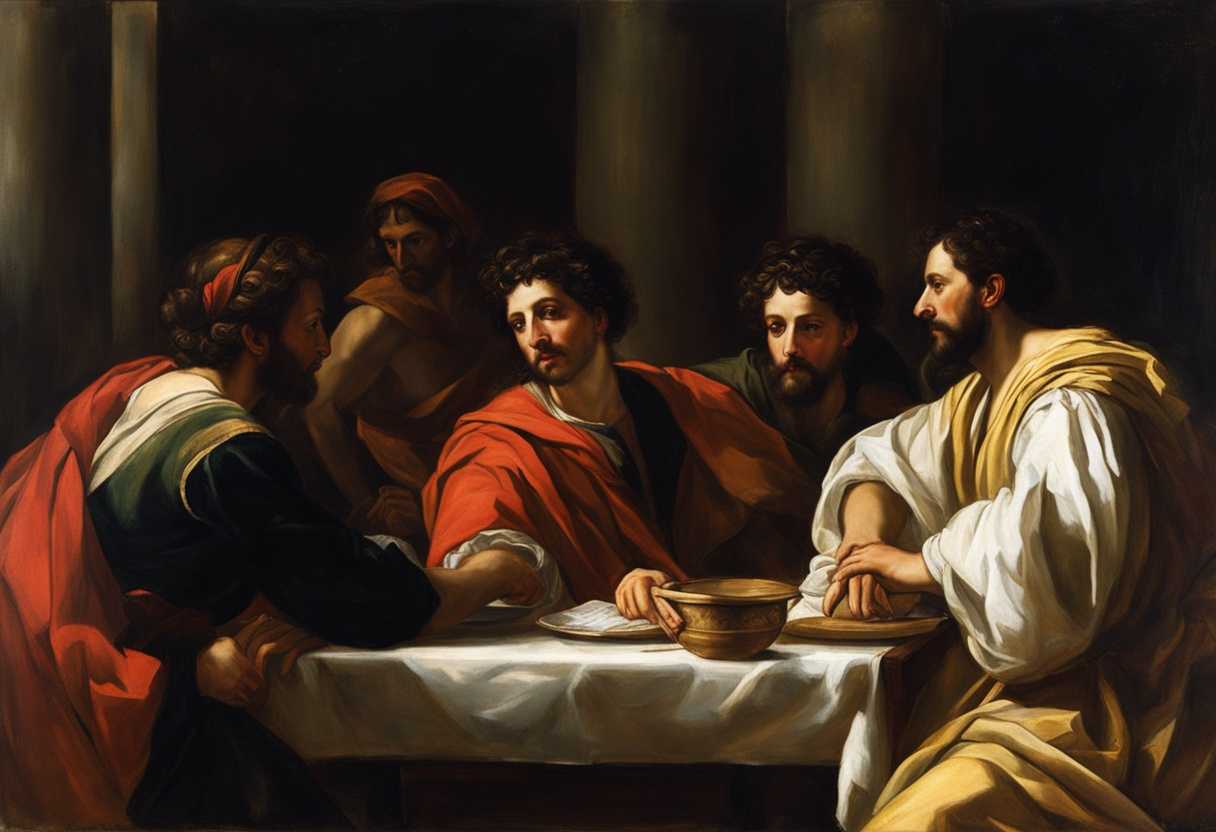
Setting the Scene for Isaiah 36:21-22
In Isaiah chapter 36, we find ourselves in the midst of a tense and pivotal moment in biblical history. The scene unfolds in the grand and imposing city of Jerusalem, within the walls of the royal palace. King Hezekiah of Judah, a devout and righteous ruler, is facing a grave threat from the mighty Assyrian army, led by the arrogant and boastful Rabshakeh. The Assyrians have besieged the city, seeking to conquer and subjugate the people of Judah.
Inside the palace, King Hezekiah is surrounded by his advisors and officials, including the prophet Isaiah. They are engaged in a heated discussion about how to respond to the Assyrian threat. Hezekiah, a man of faith, turns to Isaiah for guidance and wisdom in this dire situation. The tension is palpable as the fate of the kingdom hangs in the balance, and the faith of the people is put to the ultimate test.
As the Assyrian envoy Rabshakeh continues his taunts and threats from outside the walls, King Hezekiah and his council must decide whether to trust in their own strength and resources or to place their faith in the promises of God. The scene is charged with uncertainty and fear, but also with a glimmer of hope as Isaiah stands firm in his conviction that God will deliver His people from their enemies.
What is Isaiah 36:21-22 about?
This verse reminds us of the unwavering faith we should have in God’s ability to deliver us from any challenge or enemy that may come against us. It serves as a powerful reassurance that no matter how strong the threats of our enemies may seem, they are no match for God’s ultimate power and protection.
When faced with adversity or feeling overwhelmed by life’s challenges, it can be easy to lose sight of the fact that God is always by our side, ready to deliver us from harm. This verse encourages us to trust in God wholeheartedly, even when the odds seem stacked against us. It prompts us to lean on our faith and remember that God’s deliverance is not just a possibility, but a certainty.
So, as you journey through life and encounter obstacles or face opposition, hold onto this verse as a beacon of hope and strength. Allow it to remind you that God’s protection and deliverance are always within reach, no matter how daunting the circumstances may appear. Trust in Him wholeheartedly, and know that He will always be there to see you through.
Understanding what Isaiah 36:21-22 really means
In the historical context of Isaiah 36:21-22, we witness the Assyrian king Sennacherib’s attempt to intimidate King Hezekiah and the people of Judah by sending his field commander to deliver threats in Hebrew, a language understood by all. Despite the menacing words, the officials of Judah, following Hezekiah’s command, choose silence as their response. This act of obedience not only demonstrates trust in leadership but also serves as a strategic move to avoid further provocation and maintain composure in the face of adversity.
The significance of remaining silent in the midst of threats is highlighted in the verse, emphasizing the wisdom in refraining from engaging with the enemy’s provocations. The people’s adherence to Hezekiah’s directive showcases the importance of obedience and trust in leadership, especially during times of crisis. Additionally, the act of tearing clothes by Eliakim, Shebna, and Joah symbolizes mourning and distress, reflecting the seriousness of the situation as they report back to Hezekiah, emphasizing the necessity of clear communication and transparency in leadership.
Drawing parallels from related biblical passages such as 2 Kings 18:36-37, Proverbs 26:4, and James 1:19, we find consistent themes of measured responses, wisdom in silence, and the value of trust in guidance. These teachings resonate with contemporary challenges where individuals are often faced with provocations in various aspects of life. Choosing silence over impulsivity can be a potent tool in maintaining peace and integrity, echoing the timeless wisdom exemplified in Hezekiah’s officials’ actions.
Consider a scenario in today’s workplace where rumors or inflammatory remarks circulate. Opting for silence and seeking guidance from a trusted authority figure mirrors the approach taken by Hezekiah’s officials. This not only prevents escalation but also demonstrates maturity and discernment in handling conflicts. The narrative from Isaiah serves as a poignant reminder of the enduring relevance of principles like obedience, trust, and wise leadership in navigating adversities and uncertainties.
In conclusion, Isaiah 36:21-22 imparts valuable lessons on the power of silence, obedience, and trust in leadership when confronted with intimidation and threats. By reflecting on these teachings alongside other biblical passages, we glean insights into the importance of measured responses and the enduring significance of following wise counsel. These timeless principles offer practical wisdom for individuals grappling with the complexities of modern-day challenges, guiding them towards a path of resilience, integrity, and discernment in the face of adversity.
How do we respond when others mock our faith?
When others mock our faith, we can respond by trusting in the power and sovereignty of God. We can hold firm in our faith knowing that our God is greater than any mockery or scoffing we may face, just as in the verse from Isaiah where the Assyrians mocked Hezekiah and questioned his trust in God. We can take comfort in the assurance that God is in control and will ultimately vindicate His people. Hezekiah chose to respond with grace and humility in the face of ridicule by not retaliating against the Assyrians. Our response to mockery can serve as a testimony to the strength of our faith and our trust in God. We reflect the love and mercy of God by showing patience and forgiveness to those who mock us, even in the face of adversity. Our steadfastness in the face of mockery can ultimately be a powerful witness to those around us and may even lead others to consider the truth of our faith.
Application
In our daily battles of the modern world, like navigating the ocean of work or trekking the mountains of family life, we are often tested beyond measure. Remember, just as in the toughest challenges, our God stands strong. Let us draw inspiration from Isaiah 36:21-22 to have unwavering faith in Him. Let’s choose to lean on His strength and let it guide us through the storms we face. Will you dare to anchor your trust in Him and stand unshaken in the face of life’s storms?

Reverend Michael Johnson is an experienced Church Minister with a profound expertise in spirituality and guidance. With a serene presence and a compassionate heart, he has faithfully served his congregation for over 20 years, leading them on a spiritual journey towards inner peace and enlightenment. Reverend Johnson’s extensive knowledge of religious philosophies and profound understanding of human nature have made him a trusted confidant and mentor to many, as he seamlessly weaves his profound wisdom into life teachings. Reverend Johnson’s calming demeanor and empathetic nature continue to uplift and heal souls, nurturing a sense of unity and tranquility within his community.