
1 Awake, awake, put on your strength, O Zion; put on your beautiful garments, O Jerusalem, the holy city; for there shall no more come into you the uncircumcised and the unclean.
2 Shake yourself from the dust and arise;
be seated, O Jerusalem;
loose the bonds from your neck,
O captive daughter of Zion.
3 For thus says the Lord: “You were sold for nothing, and you shall be redeemed without money.”
4 For thus says the Lord God: “My people went down at the first into Egypt to sojourn there, and the Assyrian oppressed them for nothing.
5 Now therefore what have I here,” declares the Lord, “seeing that my people are taken away for nothing? Their rulers wail,” declares the Lord, “and continually all the day my name is despised.
6 Therefore my people shall know my name. Therefore in that day they shall know that it is I who speak; here am I.
7 How beautiful upon the mountains are the feet of him who brings good news, who publishes peace, who brings good news of happiness, who publishes salvation, who says to Zion, “Your God reigns.”
8 The voice of your watchmen—they lift up their voice;
together they sing for joy;
for eye to eye they see
the return of the Lord to Zion.
9 Break forth together into singing,
you waste places of Jerusalem,
for the Lord has comforted his people;
he has redeemed Jerusalem.
10 The Lord has bared his holy arm before the eyes of all the nations, and all the ends of the earth shall see the salvation of our God.
11 Depart, depart, go out from there;
touch no unclean thing;
go out from the midst of her; purify yourselves,
you who bear the vessels of the Lord.
12 For you shall not go out in haste, and you shall not go in flight, for the Lord will go before you, and the God of Israel will be your rear guard.
13 Behold, my servant shall act wisely; he shall be high and lifted up, and shall be exalted.
14 As many were astonished at you—
his appearance was so marred, beyond human semblance,
and his form beyond that of the children of mankind—
15 so shall he sprinkle many nations. Kings shall shut their mouths because of him, for that which has not been told them they see, and that which they have not heard they understand.
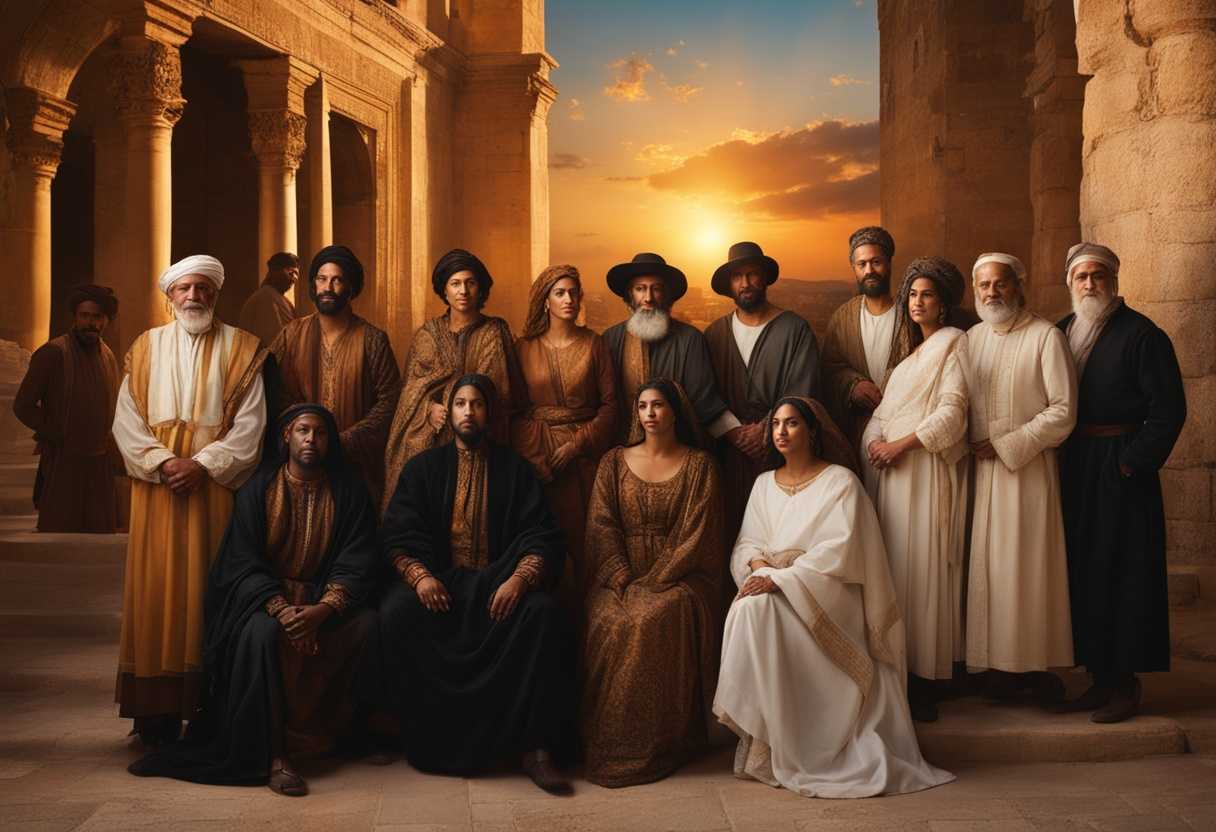
The True Meaning of Isaiah 52
The book of Isaiah was written by the prophet Isaiah, who lived during the 8th century BCE in the kingdom of Judah. Isaiah was a prominent figure, known for his powerful messages of judgment and hope for the people of Judah. Isaiah addresses the people of Judah, who were facing difficult times under foreign rule in this chapter. He speaks of a coming deliverance, a time when the people will be freed from their captivity and restored to their rightful place. This chapter foreshadows the suffering and ultimate triumph of the Servant of the Lord, a figure who will bear the sins of the people and bring them salvation.
Throughout this passage, Isaiah draws upon imagery and themes from other books of the Bible, such as the Exodus story and the promises made to the patriarchs. He reminds the people of God’s faithfulness and the importance of trusting in the Lord, even in the midst of their trials.
Isaiah 52:1-2
Isaiah 52:1-2 says, “Awake, awake; put on your strength, O Zion; put on your beautiful garments, O Jerusalem, the holy city; for there shall no more come into you the uncircumcised and the unclean. Shake yourself from the dust and arise; be seated, O Jerusalem; loose the bonds from your neck, O captive daughter of Zion. Zion and Jerusalem are called to awaken and arise from their state of desolation and captivity in these verses. The language used evokes a sense of urgency and a call to action. Zion and Jerusalem are symbolically referred to as a personified woman, emphasizing their sacredness and importance in the eyes of God.
The notion of putting on strength and beautiful garments suggests a transformation and renewal. This can be interpreted as a call for spiritual revival and restoration of dignity. The mention of the uncircumcised and unclean not entering the holy city alludes to a time when God’s people will be separated from impurity and sin. This separation reflects God’s desire for his people to live in purity and righteousness.
The imagery of shaking off the dust and breaking free from bonds signifies liberation and freedom from captivity. This echoes the themes of redemption and deliverance that run throughout the Bible. The term “captive daughter of Zion” highlights the suffering and oppression that Jerusalem has experienced, but it also holds the promise of liberation and restoration. These verses in the book of Isaiah are part of the prophecies concerning the restoration of Israel in the broader context. The prophet Isaiah foretells a time when Jerusalem will be redeemed and exalted among the nations. This theme of restoration and redemption is central to the biblical narrative, as it demonstrates God’s faithfulness to his people and his promise to bring them back from exile. The teachings of Jesus and the apostles in the New Testament show parallels to this idea of awakening and putting on strength. For example, in Ephesians 6:10, believers are encouraged to “be strong in the Lord and in the strength of his might.” This echoes the call for strength in Isaiah, emphasizing the need for spiritual fortitude in the face of adversity. Isaiah 52:1-2 serves as a powerful reminder of God’s ability to transform lives and bring about renewal. It encourages believers to shake off the dust of the past, rise from their bondage, and put on garments of strength and beauty. It speaks to the enduring message of hope and restoration that is found throughout the Bible.
Isaiah 52:3-6
Isaiah 52:3-6 highlights a number of crucial sections. The passage starts with, “For this is what the Lord says: ‘You were sold for nothing, and without money you will be redeemed.’” This initial phrase draws attention to the captivity and enslavement of the Israelites in Egypt and Babylon. The Israelites were sold into slavery due to their disobedience and sin, but the promise of redemption without cost symbolizes God’s grace and mercy towards His people. This notion of redemption without payment serves as a powerful reminder that God’s love and forgiveness are gifts freely given to those who repent and turn back to Him. This theme of redemption without cost is central to the Christian faith; through the sacrifice of Jesus Christ, believers are redeemed and set free from the bondage of sin.
The passage continues with the declaration, “For this is what the Sovereign Lord says: ‘At first my people went down to Egypt to live; lately, Assyria has oppressed them.’” Here, the reference to Egypt and Assyria signifies the historical struggles and oppressions that the Israelites faced. It recalls the enslavement in Egypt during the time of Moses, as well as the later conquests and exiles by the Assyrians. Despite these periods of hardship and suffering, the Lord reassures His people that He will deliver them from their oppressors. This message of hope and deliverance resonates throughout the Bible, with numerous instances of God rescuing His people from various enemies and oppressors. For example, the story of the Exodus, where God leads the Israelites out of Egypt through Moses, serves as a powerful demonstration of God’s faithfulness and deliverance.
The passage further proclaims, “Therefore my people will know my name; therefore in that day they will know that it is I who foretold it. Yes, it is I.” This declaration emphasizes the importance of God’s name and His prophetic word. Throughout the Old Testament, God reveals Himself to His people through His name, which signifies His character and attributes. Knowing God’s name is synonymous with understanding His nature and trusting in His promises. Additionally, the reference to prophetic fulfillment underscores the reliability and authenticity of God’s word. The fulfillment of prophecies serves as a testament to God’s sovereignty and control over future events. This theme of prophecy and fulfillment is a recurring motif in the Bible, particularly in the fulfillment of Messianic prophecies through the life and ministry of Jesus Christ.
Finally, the passage concludes with the call to action, “How beautiful on the mountains are the feet of those who bring good news, who proclaim peace, who bring good tidings, who proclaim salvation, who say to Zion, ‘Your God reigns!’” This exhortation highlights the importance of spreading the good news of salvation and peace. This message of deliverance and restoration in Isaiah 52 is directed towards Zion, representing God’s people and His chosen city. The imagery of beautiful feet carrying the message of salvation underscores the role of believers in sharing the Gospel and bringing hope to the world. This notion of proclaiming salvation and declaring God’s reign is central to the Great Commission in the New Testament, where Jesus commands His followers to make disciples of all nations (Matthew 28:18-20). Isaiah 52:3-6 encapsulates themes of redemption, deliverance, prophecy, and evangelism. It reminds readers of God’s faithfulness in redeeming His people, fulfilling His promises, and calling believers to share the good news of salvation. The passage serves as a timeless message of hope and encouragement for all who trust in the Lord and proclaim His name to the world.
Isaiah 52:7-10
A powerful message of redemption and hope is seen in Isaiah 52:7-10. Let’s break down this verse into important sections:
- “How beautiful on the mountains are the feet of those who bring good news, who proclaim peace, who bring good tidings, who proclaim salvation, who say to Zion, ‘Your God reigns!’”
Here, the prophet Isaiah speaks of messengers bringing good news to Zion. This imagery of messengers with beautiful feet on the mountains is striking. It reflects the beauty of the message they carry – a message of peace, salvation, and the reign of God. This echoes the theme of redemption and restoration that runs through the Bible. Jesus Christ, the ultimate messenger of God, brings a similar message of peace and salvation in the New Testament. Jesus proclaimed the good news of the kingdom of God (Mark 1:15) and his followers continued to spread this message after his resurrection (Acts 1:8).
- “Listen! Your watchmen lift up their voices; together they shout for joy. When the Lord returns to Zion, they will see it with their own eyes.”
This section speaks of watchmen rejoicing as they see the Lord returning to Zion. The watchmen were tasked with keeping guard and sounding the alarm in case of danger. Here, they become joyful heralds of the Lord’s return. This imagery points to the anticipation of the coming of the Messiah, who would bring salvation and establish God’s kingdom. Jesus echoes the concept of watchmen in the New Testament when he urges his followers to stay awake and be ready for his return (Matthew 24:42-44).
- “Burst into songs of joy together, you ruins of Jerusalem, for the Lord has comforted his people, he has redeemed Jerusalem.”
This final section is a call to rejoice because of the comfort and redemption that the Lord has brought to Jerusalem. The city, which was once in ruins, is now being restored and comforted by God. This theme of restoration and redemption is central to the Bible. Throughout the Old Testament, we see God’s faithfulness in restoring his people and bringing them comfort. Jesus Christ in the New Testament is seen as the ultimate redeemer who brings salvation to all who believe in him (Ephesians 1:7). Isaiah 52:7-10 proclaims hope, redemption, and restoration powerfully. It reminds us of the beauty of the message of salvation brought by God’s messengers, the anticipation of the Messiah’s return, and the joy of God’s comfort and redemption. These timeless messages resonate throughout the Bible, pointing to the ultimate fulfillment of God’s plan in Jesus Christ.
Isaiah 52:11-12
We can dissect a few key sections in Isaiah 52:11-12 for a deeper understanding. The verses read, “Depart, depart, go out from there! Touch no unclean thing; go out from the midst of her; purify yourselves, you who bear the vessels of the Lord. For you shall not go out with haste, nor go by flight; for the Lord will go before you, and the God of Israel will be your rear guard. “Depart, depart, go out from there in the first section!” Touch no unclean thing; go out from the midst of her; purify yourselves, you who bear the vessels of the Lord,” we can see a call to action for the people of Israel to depart from the land of exile with reverence and purity. The reference to “bear the vessels of the Lord” could refer to the priests or Levites who were responsible for carrying the sacred items used in worship. This instruction underscores the importance of maintaining holiness and consecration as they journey back to their homeland.
The next part of the verse states, “For you shall not go out with haste, nor go by flight; for the Lord will go before you, and the God of Israel will be your rear guard.” Here, there is a promise of divine protection and guidance as the Israelites return from exile. Unlike their hurried departure from Egypt in the Exodus story, this time they are encouraged to leave in a more orderly and deliberate manner, trusting in the Lord to lead the way and safeguard their rear. This assurance of God’s presence both in front and behind them demonstrates His faithfulness and commitment to His people.
This passage from Isaiah 52 echoes themes of redemption, restoration, and deliverance that are recurrent throughout the Bible. Just as the Israelites were delivered from slavery in Egypt through the Exodus under the leadership of Moses, here the prophet Isaiah speaks of a similar divine intervention and rescue for the exiled Israelites. The imagery of God going before His people recalls instances like the pillar of cloud and fire that guided the Israelites in the wilderness (Exodus 13:21-22), emphasizing the constant care and protection of the Almighty. The Israelites are not only physically returning home but also spiritually reconnecting with their covenant God by obeying the call to depart from the impurity of exile and trusting in God’s guidance on the journey back to their land. This message of hope and salvation in Isaiah 52 resonates beyond the historical context of the Israelite exile, pointing to a broader truth about God’s faithfulness in leading His people out of darkness into His marvelous light (1 Peter 2:9).
Isaiah 52:13-15
The prophet Isaiah presents a powerful and prophetic message about the exaltation and ultimate victory of the suffering servant in Isaiah 52:13-15. Let’s break down these verses to better understand their significance.
Verse 13 begins with the proclamation, “Behold, my servant shall act wisely; he shall be high and lifted up, and shall be exalted.” This declaration is a foreshadowing of the exaltation of the servant, who is commonly interpreted in Christian theology as a prophecy of Jesus Christ. The idea of being “high and lifted up” signifies honor and glory. This echoes with other verses in the Bible, such as Philippians 2:9-11, where it is said that God has highly exalted Jesus and bestowed on him the name that is above every name. The startling description of the suffering servant in verse 14 reveals that many were astonished at him, as his appearance was so marred, beyond human semblance, and his form beyond that of the children of mankind.” This imagery portrays the servant as marred and disfigured, which speaks to the suffering and sacrifice that the servant will endure. This suffering is a central theme throughout the Bible, culminating in the crucifixion of Jesus Christ, who was despised and rejected by men (Isaiah 53:3) but ultimately bore the sins of many.
The final verse, verse 15, declares the response of the nations to the exalted servant: “So shall he sprinkle many nations. Kings shall shut their mouths because of him, for that which has not been told them they see, and that which they have not heard they understand.” Here, we see the servant’s divine authority to “sprinkle many nations,” symbolizing the spreading of his redemptive work to people from all corners of the earth. The astonishment of kings and nations at the revelation of the servant’s glory reflects the universal impact of his exaltation. This universal appeal and exaltation of the servant can be linked to passages like Psalm 72:11, which speaks of all nations bowing down to the Messiah. Isaiah 52:13-15 paints a vivid picture of the exaltation of the suffering servant, who endures great suffering but ultimately emerges victorious and glorified. This passage not only serves as a prophecy of Jesus Christ but also conveys a timeless message of redemption, sacrifice, and ultimate triumph that resonates throughout the entire Bible.
After Isaiah 52
The people of God had been in exile, but the Lord had not abandoned them. He had prepared the way for their return to Jerusalem. The prophet Isaiah declared that the time had come for the captives to be set free and for the glory of the Lord to be revealed. The exiles filled with joy and anticipation made their way back to their homeland. The long years of hardship and suffering were coming to an end, and a new chapter was about to begin. Yet, even as they celebrated their deliverance, the prophet knew that there was still more work to be done.
The final verse of this chapter serves as a powerful hook into the next, reminding us that the journey of faith is never truly over. For as the people of God rejoiced in their freedom, the prophet Isaiah looked ahead to the day when the Servant of the Lord would come to bear the sins of the world and bring salvation to all who believe.

Reverend Michael Johnson is an experienced Church Minister with a profound expertise in spirituality and guidance. With a serene presence and a compassionate heart, he has faithfully served his congregation for over 20 years, leading them on a spiritual journey towards inner peace and enlightenment. Reverend Johnson’s extensive knowledge of religious philosophies and profound understanding of human nature have made him a trusted confidant and mentor to many, as he seamlessly weaves his profound wisdom into life teachings. Reverend Johnson’s calming demeanor and empathetic nature continue to uplift and heal souls, nurturing a sense of unity and tranquility within his community.