
1 Who is this who comes from Edom,
in crimsoned garments from Bozrah,
he who is splendid in his apparel,
marching in the greatness of his strength?
“It is I, speaking in righteousness,
mighty to save.”
2 Why is your apparel red,
and your garments like his who treads in the winepress?
3 “I have trodden the winepress alone,
and from the peoples no one was with me;
I trod them in my anger
and trampled them in my wrath;
their lifeblood spattered on my garments,
and stained all my apparel.
4 For the day of vengeance was in my heart,
and my year of redemption had come.
5 I looked, but there was no one to help; I was appalled, but there was no one to uphold; so my own arm brought me salvation, and my wrath upheld me.
6 I trampled down the peoples in my anger;
I made them drunk in my wrath,
and I poured out their lifeblood on the earth.”
7 I will recount the steadfast love of the Lord, the praises of the Lord, according to all that the Lord has granted us, and the great goodness to the house of Israel that he has granted them according to his compassion, according to the abundance of his steadfast love.
8 For he said, “Surely they are my people,
children who will not deal falsely.”
And he became their Savior.
9 In all their affliction he was afflicted, and the angel of his presence saved them; in his love and in his pity he redeemed them; he lifted them up and carried them all the days of old.
10 But they rebelled and grieved his Holy Spirit;
therefore he turned to be their enemy,
and himself fought against them.
11 Then he remembered the days of old, of Moses and his people. Where is he who brought them up out of the sea with the shepherds of his flock? Where is he who put in the midst of them his Holy Spirit,
12 who caused his glorious arm to go at the right hand of Moses,
who divided the waters before them
to make for himself an everlasting name,
13 who led them through the depths?
14 Like livestock that go down into the valley,
the Spirit of the Lord gave them rest.
So you led your people,
to make for yourself a glorious name.
15 Look down from heaven and see,
from your holy and beautiful habitation.
Where are your zeal and your might?
The stirring of your inner parts and your compassion
are held back from me.
16 For you are our Father, though Abraham does not know us, and Israel does not acknowledge us; you, O Lord, are our Father, our Redeemer from of old is your name.
17 O Lord, why do you make us wander from your ways
and harden our heart, so that we fear you not?
Return for the sake of your servants,
the tribes of your heritage.
18 Your holy people held possession for a little while; our adversaries have trampled down your sanctuary.
19 We have become like those over whom you have never ruled,
like those who are not called by your name.
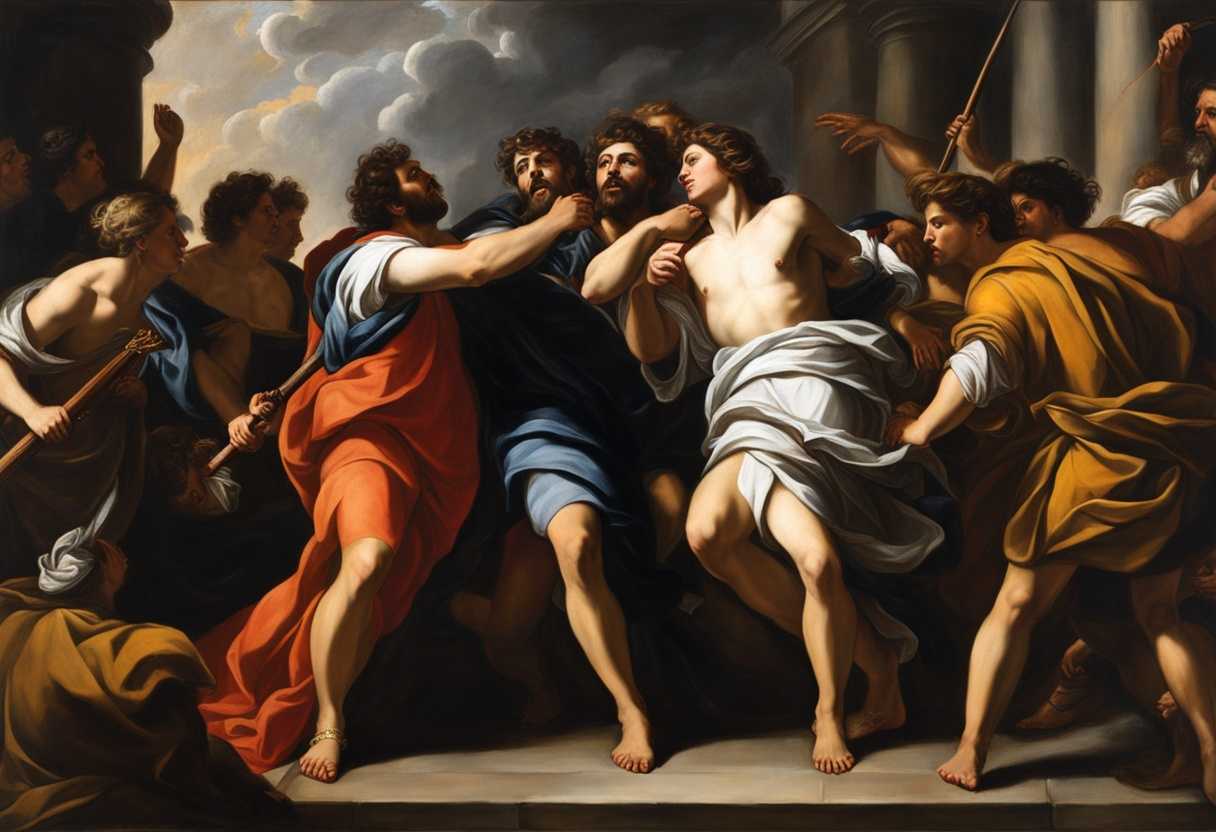
The True Meaning of Isaiah 63
The book of Isaiah was written by the prophet Isaiah, who lived during the reigns of several Judean kings in the 8th century BC. Isaiah was known for his powerful visions and messages from God, often warning the people of Judah and Israel about the consequences of their sins and the coming judgment. Isaiah describes a vivid vision of the Lord’s judgment and redemption in this chapter. He portrays the Lord as a mighty warrior who tramples down his enemies, yet also as a compassionate shepherd who cares for his people. This passage foreshadows the ultimate triumph of God’s kingdom and the restoration of his people, themes that are echoed throughout the book of Isaiah and the entire biblical narrative. Isaiah’s words resonate with the struggles and hopes of God’s people, even in our own time, as we delve into this chapter. The Lord’s power and justice are on full display, but so too is his steadfast love and mercy. May these verses inspire us to trust in God’s plan, even when the path ahead seems uncertain.
Isaiah 63:1-6
The passage in Isaiah 63:1-6 can be broken down into a few key sections for a deeper understanding. The passage begins with a question, “Who is this coming from Edom, from Bozrah, with his garments stained crimson?” This question sets the stage for a dramatic scene, a vision of a warrior coming from Edom with blood-stained garments. Edom was a traditional enemy of Israel, and Bozrah was one of its chief cities. The imagery here is powerful, illustrating a figure who has been engaged in a fierce battle, his clothes soaked in the blood of his enemies.
The response to the question in the passage is profound: “It is I, proclaiming victory, mighty to save.” This declaration reveals that the warrior coming from Edom is none other than the Lord Himself, coming in triumph and power to save His people. This gives us a glimpse of God’s sovereignty and His willingness to intervene on behalf of His chosen ones.
The imagery of God as a warrior is a recurring theme throughout the Bible. God fought for His people in battles such as the parting of the Red Sea, the conquest of Jericho, and the victories won through judges like Gideon and Samson in the Old Testament. This portrayal of God as a warrior underscores His power, His protection over His people, and His commitment to justice.
The passage continues with a vivid description of God’s wrath and his fierce anger towards the nations. The text speaks of how God trampled down the nations in His anger, pouring out their blood on the ground. This display of judgment serves as a reminder of God’s holiness and His intolerance towards sin and wickedness. Isaiah 63:1-6 highlights God’s role as a warrior on behalf of His people, His sovereignty over the nations, and His righteous judgment. It also serves as a reminder of the importance of faithfulness and obedience to God, as He is not only a God of love and mercy but also a God of justice and holiness. This passage encourages believers to trust in God’s ultimate victory and to remain steadfast in their faith, knowing that God is mighty to save and will ultimately triumph over evil.
Isaiah 63:7-14
Verse 7 of Isaiah 63 starts with the Israelites remembering the gracious deeds of the Lord and praising Him for all He has done for them. This remembrance serves as a reminder of God’s faithfulness and goodness towards His people throughout history. The act of remembering and praising helps to solidify their relationship with God and reinforces their belief in His power and providence. The focus shifts to describing God’s compassion and how He has been present with the Israelites in times of trouble and distress, especially from verses 8 to 14. The mention of God’s angel who saved them and redeemed them highlights the divine protection and deliverance the Israelites experienced under God’s care. This imagery of an angel saving and redeeming God’s people resonates with other instances in the Bible where angels are portrayed as messengers and protectors of God’s chosen ones. For example, in Psalm 91:11-12, it is stated, “For he will command his angels concerning you to guard you in all your ways. On their hands they will bear you up, lest you strike your foot against a stone.”
The reference to the Exodus in verse 9, with the mention of the “days of old” when God redeemed His people, draws a parallel to the deliverance of the Israelites from slavery in Egypt. This historical event is one of the central narratives in the Old Testament, emphasizing God’s faithfulness in fulfilling His promises and delivering His people from bondage. The significance of the Exodus as a foundational story of God’s salvation and liberation extends beyond the historical event itself, serving as a symbol of God’s continuous deliverance and redemption of His people from spiritual bondage and sin.
The imagery of the Israelites being led through the wilderness by God like a shepherd guiding his flock further emphasizes the intimate relationship between God and His people. This metaphor of God as a shepherd is a recurring theme in the Bible, with references to it in Psalms 23:1 and John 10:11. It conveys the idea of God’s care, protection, and guidance towards His people, portraying Him as a loving and attentive shepherd who watches over His flock with unwavering devotion.
Furthermore, in verses 11 and 12, the Israelites are reminded of how God, out of His love and compassion, personally intervened to help them and granted them rest. This act of divine intervention underscores God’s sovereignty and His willingness to come to the aid of His people when they call upon Him. It also serves as a testament to the Israelites of God’s enduring love and mercy towards them, even in the face of their disobedience and shortcomings. Isaiah 63:7-14 encapsulates the themes of remembrance, deliverance, divine protection, and God’s steadfast love towards His people. It reinforces the idea of God’s faithfulness throughout history and encourages believers to reflect on His past deeds as a source of hope and assurance for the future. The passage serves as a reminder of God’s presence in the lives of His people and His unwavering commitment to guide, protect, and redeem them, showcasing His divine attributes of love, mercy, and compassion.
Isaiah 63:15-19
Isaiah makes a heartfelt plea to God for mercy and compassion towards His people in Isaiah 63:15-19, especially in the face of their suffering and distress. This passage begins with Isaiah addressing God as “Father” and “Redeemer,” acknowledging God’s role as both a loving parent and a savior who can deliver His people from their troubles. The use of these intimate and personal terms reflects the deep relationship and dependence that the Israelites have on God.
Isaiah then expresses the people’s distress and recognizes their need for God’s intervention by stating, “Look down from heaven and see, from your lofty throne, holy and glorious.” This plea for God to look upon His people with compassion and grace highlights the faith and trust that the Israelites have in God’s ability to see their struggles and come to their aid. It shows their belief that God, who is holy and glorious, is also compassionate and merciful towards those who call upon Him.
The imagery of the destroyed sanctuary and the desolate city of Jerusalem mentioned in this passage serves as a stark reminder of the consequences of the Israelites’ sin and disobedience. The destruction of their sacred places symbolizes the broken relationship between God and His people due to their unfaithfulness. It also represents the desolation and despair that the Israelites are experiencing as a result of their sins.
Isaiah’s acknowledgment of the people’s sins and their need for God’s forgiveness demonstrates the importance of repentance and turning back to God in times of trouble. Despite their failures, the prophet appeals to God’s unfailing love and covenant faithfulness by saying, “Why, Lord, do you make us wander from your ways and harden our hearts so we do not revere you?” This passage highlights the concept of divine discipline and the consequences of straying from God’s commandments. Isaiah pleads with God in the closing verses of this passage not to let the enemies of His people triumph over them and to remember that they are His heritage. This prayer reflects the prophet’s confidence in God’s faithfulness to His promises and His ability to protect His chosen people from harm. It also serves as a reminder of God’s sovereignty and His ultimate authority over all nations and powers. Isaiah 63:15-19 conveys a powerful message of repentance, faith, and dependence on God in times of trouble. It underscores the importance of acknowledging our sins, seeking God’s forgiveness, and trusting in His unfailing love and mercy. This passage resonates with the broader biblical themes of redemption, restoration, and the enduring relationship between God and His people as seen throughout the Old and New Testaments.
After Isaiah 63
The prophet Isaiah had witnessed the Lord’s mighty acts of judgment and salvation. He had seen the Lord’s wrath poured out on the enemies of His people. Yet, in the midst of this, Isaiah also caught a glimpse of the Lord’s compassion and love. Isaiah’s heart was filled with a deep longing as the chapter drew to a close. He yearned for the Lord to once again display His power and might, to rise up and come to the aid of His people. The prophet knew that the Lord’s ultimate victory was assured, but he also understood the need for the people to turn back to the Lord with all their hearts.
And so, with a sense of urgency, Isaiah looked ahead to the next chapter, where he would call the people to repentance and plead for the Lord’s merciful intervention. For only through a renewed relationship with the Almighty could the nation find the strength and hope to endure the trials that lay ahead.

Reverend Michael Johnson is an experienced Church Minister with a profound expertise in spirituality and guidance. With a serene presence and a compassionate heart, he has faithfully served his congregation for over 20 years, leading them on a spiritual journey towards inner peace and enlightenment. Reverend Johnson’s extensive knowledge of religious philosophies and profound understanding of human nature have made him a trusted confidant and mentor to many, as he seamlessly weaves his profound wisdom into life teachings. Reverend Johnson’s calming demeanor and empathetic nature continue to uplift and heal souls, nurturing a sense of unity and tranquility within his community.