
6 “Is not this the fast that I choose:
to loose the bonds of wickedness,
to undo the straps of the yoke,
to let the oppressed go free,
and to break every yoke?
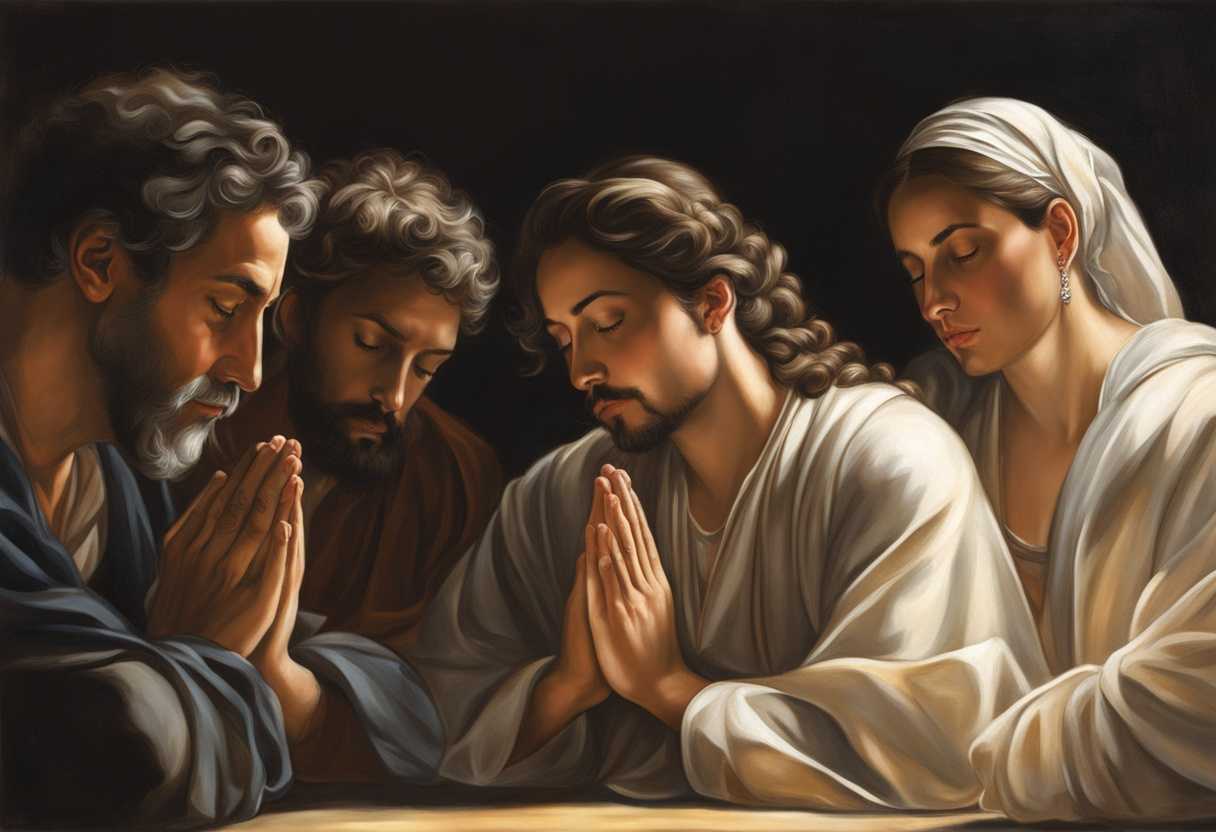
Setting the Scene for Isaiah 58:6
In Isaiah chapter 58, we find a powerful scene unfolding in the ancient city of Jerusalem. The prophet Isaiah stands in the midst of a bustling marketplace, surrounded by a diverse group of people from all walks of life. The air is filled with the sounds of merchants haggling, animals braying, and the chatter of the crowd. The sun beats down on the cobblestone streets, casting long shadows as the day progresses.
Among the crowd are the wealthy merchants, their fine garments and ostentatious jewelry marking them as people of influence in the city. There are also the poor and downtrodden, their faces weathered by hardship and their clothes threadbare. They have come to the marketplace in search of sustenance and perhaps a glimmer of hope in their difficult circumstances. Isaiah’s voice rises above the noise, calling out to the people to heed his words and listen to the message of justice and righteousness.
As Isaiah speaks, his words cut through the distractions of the marketplace, challenging the people to examine their actions and motives. He urges them to consider the true meaning of fasting and sacrifice, reminding them that God desires not just outward displays of piety, but genuine acts of compassion and mercy towards those in need. The scene is charged with tension as the crowd grapples with Isaiah’s message, their hearts stirred by the call to live out their faith in practical ways.
What is Isaiah 58:6 about?
Isaiah 58:6 reminds us of the importance of seeking justice and breaking the chains of oppression. It urges us to actively work towards creating a fair and equitable society where everyone is treated with dignity and respect. We demonstrate our commitment to living out principles of compassion and solidarity by addressing the needs of the marginalized and oppressed. This verse challenges us to reflect on how we can contribute to a more just and inclusive world by taking concrete actions to uplift those who are in need.
It prompts us to ask ourselves: How can we advocate for justice for those who are oppressed and marginalized in our society? What tangible steps can we take to break the chains of oppression that bind individuals and communities? How can we extend a helping hand to those who are in need and share our resources with generosity and compassion? Pondering these questions encourages us to embark on a journey of social justice and empathy, actively seeking to make a positive difference in the lives of others. Let us embrace the call of Isaiah 58:6 and strive to be agents of change and advocates for those who are vulnerable and marginalized.
Understanding what Isaiah 58:6 really means
Structure for Commentary:
- Introduction to the Verse
- Examination of Key Phrases
- Connection to Other Biblical Passages
- Relevance to Contemporary Life
- Anecdotal Illustration
- Conclusion and Reflection
Commentary:
Introduction to the Verse:
Isaiah 58:6 addresses the true nature of fasting, emphasizing the importance of righteousness and social justice over mere ritualistic observance. This verse calls for an active engagement in liberating the oppressed and helping those in need. It challenges us to rethink our spiritual practices and align them with God’s will for justice and compassion.
Examination of Key Phrases:
The phrase “to loose the chains of injustice” speaks volumes. It suggests that true fasting involves taking tangible actions to free those who are bound by systemic injustices. Similarly, “to untie the cords of the yoke” and “to set the oppressed free” underscore the necessity of breaking down barriers that enslave people, whether they are physical, emotional, or spiritual.
Connection to Other Biblical Passages:
This theme is echoed in other parts of the Bible. For instance, in Micah 6:8, we are reminded to “act justly and to love mercy and to walk humbly with your God.” Jesus also reinforces this in Matthew 25:35-40 when He speaks about feeding the hungry and visiting the imprisoned, teaching that our treatment of the least among us reflects our treatment of Him. This verse is incredibly relevant in today’s world. We live in a time rife with social inequality and injustice. Whether it is racial discrimination, economic disparity, or other forms of oppression, Isaiah 58:6 calls us to take concrete actions to address these issues. Are we merely performing rituals, or are we actively engaging in God’s work of justice and liberation? Sarah, a devoted churchgoer who fasted regularly, is considered in this anecdotal illustration. She realized that while her fasting was spiritually enriching, it lacked an outward expression of her faith. Inspired by Isaiah 58:6, Sarah began volunteering at a local shelter for victims of domestic violence. Through her actions, she found a deeper sense of spiritual fulfillment, realizing that true fasting involves both personal sacrifice and social action.
Conclusion and Reflection:
Isaiah 58:6 challenges us to align our spiritual practices with God’s heart for justice. It invites us to move beyond ritual to real, transformative action. We can actively engage in breaking the chains of injustice in our communities as we meditate on this verse. How can our faith translate into tangible acts of compassion and liberation?
Reflecting on this verse, we are reminded that our faith calls us to more than personal piety; it calls us to be agents of God’s justice in the world.
How can we break the chains of injustice?
Breaking the chains of injustice requires actively engaging in acts of kindness and mercy towards those who are suffering. It involves loosening the bonds of oppression and reaching out to help those who are marginalized or in need. We can work towards breaking the cycle of inequality and discrimination by showing compassion and taking action to address injustices in our communities.
Furthermore, breaking the chains of injustice is not a passive act, but rather a call to actively fight against systems and practices that perpetuate oppression. It involves speaking out against injustice, advocating for change, and working towards creating a more just and equitable society for all. We can help break the chains of injustice that hold so many people back by standing in solidarity with those who are oppressed and working towards systemic change.
Application
Think of Isaiah 58:6 as a call to action in the office of life. You’re tasked to break the chains of injustice like deadlines and support those overwhelmed by burdens. Share your resources just as you would share your time with family. When you see someone struggling, whether at work or on the street, will you step in and offer your help? Your actions can set others free. How will you make a difference today?

Reverend Michael Johnson is an experienced Church Minister with a profound expertise in spirituality and guidance. With a serene presence and a compassionate heart, he has faithfully served his congregation for over 20 years, leading them on a spiritual journey towards inner peace and enlightenment. Reverend Johnson’s extensive knowledge of religious philosophies and profound understanding of human nature have made him a trusted confidant and mentor to many, as he seamlessly weaves his profound wisdom into life teachings. Reverend Johnson’s calming demeanor and empathetic nature continue to uplift and heal souls, nurturing a sense of unity and tranquility within his community.