
Isaiah 64:10 is about the sorrow and devastation felt by the Israelites due to the destruction of Jerusalem and the Temple, symbolizing the consequences of turning away from God’s ways.
10 Your holy cities have become a wilderness; Zion has become a wilderness, Jerusalem a desolation.
Setting the Scene for Isaiah 64:10
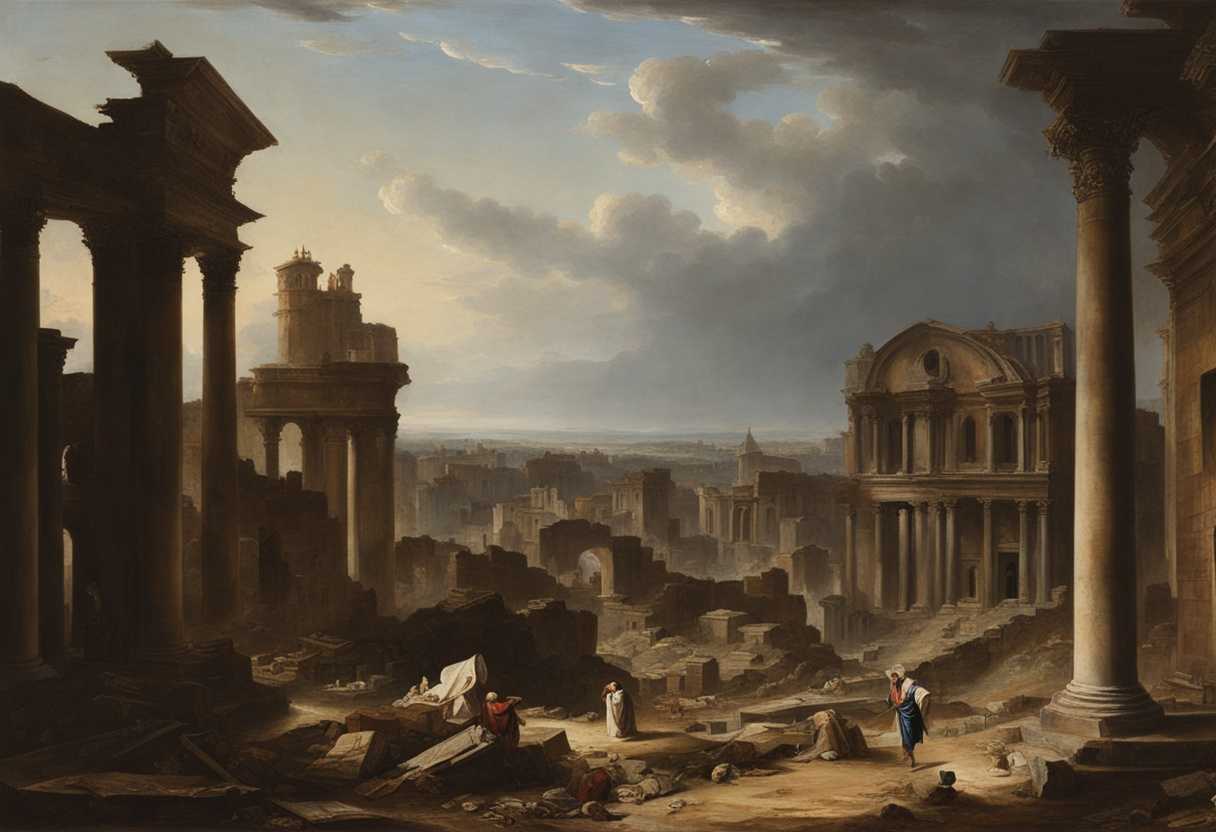
The scene in Isaiah 64:10 is set in Jerusalem, specifically in the aftermath of the Babylonian invasion and the destruction of the city. The once magnificent and bustling city now lies in ruins, with the temple destroyed and the walls broken down. The streets are deserted, and the people who once filled them with life and activity are either scattered or taken into captivity.
In this desolate setting, we can imagine a group of survivors, including prophets, priests, and ordinary citizens, gathered together amidst the rubble. They are mourning the loss of their city, their homes, and their way of life. Some are weeping, others are praying, and all are grappling with the harsh reality of their situation.
Among the group, there is a sense of desperation and a plea for God’s intervention and restoration. They are seeking comfort, guidance, and hope in the midst of their despair, holding on to their faith that God will not abandon them forever. The scene is a poignant reminder of the consequences of disobedience and the enduring faith of God’s people even in the darkest of times.
What is Isaiah 64:10 about?
Isaiah is expressing deep sadness and sorrow over the destruction of Jerusalem in this verse. He is lamenting the loss and devastation that has befallen the city, likely due to war or other calamities. Isaiah is pleading for mercy and compassion for the survivors and those who have suffered in the midst of the destruction by asking God to remember His people.
Through Isaiah’s words, we can see the profound connection he feels towards his people and his faith in God’s ability to bring comfort and restoration. This verse serves as a reminder of the enduring hope and resilience found in times of despair, as well as the importance of seeking solace and strength through prayer and faith during times of hardship.
Have you ever experienced a moment of loss or destruction that made you turn to a higher power for comfort and guidance? How do you interpret the concept of God remembering His people in times of distress and suffering? Take a moment to reflect on how this verse resonates with your own experiences of seeking solace and hope in challenging times.
Understanding what Isaiah 64:10 really means
Isaiah 64:10 captures a poignant moment in the history of the Israelites, where they lament the desolation of their holy city and temple. The verse serves as a heartfelt plea for divine intervention, reflecting the deep sense of loss and yearning for restoration that the people of Israel felt during their exile. This prayer of lamentation resonates with the emotional and spiritual turmoil experienced by the Israelites as they grappled with the destruction of their sacred spaces.
In exploring related passages such as Lamentations 1:1-2, Psalm 79:1, and Nehemiah 1:3-4, we gain a broader understanding of the collective grief and mourning that permeated the Israelite community. These texts echo the themes of devastation, desolation, and the longing for renewal found in Isaiah 64:10, highlighting a consistent thread of sorrow and a call to action in the face of loss.
The relevance of Isaiah 64:10 extends beyond its historical context, speaking to the universal experiences of personal and communal loss. Just as the Israelites mourned the destruction of their holy sites, individuals today grapple with their own forms of desolation, seeking hope and restoration. This verse serves as a reminder to turn to God in times of despair, trusting in His power to bring healing and renewal to broken places.
Consider a community recovering from a natural disaster, where homes and places of worship lay in ruins. The collective grief and subsequent efforts to rebuild parallel the sentiments expressed in Isaiah 64:10, offering a poignant reflection of human resilience amidst devastation. In these moments of loss and longing, the verse stands as a beacon of comfort, reminding believers of God’s presence even in the midst of chaos and destruction.
The evocative phrases in Isaiah 64:10, such as “Your holy cities have become a wilderness,” “Zion has become a wilderness,” and “Jerusalem a desolation,” paint a vivid picture of the desolation experienced by the Israelites. These descriptions underscore the profound sense of emptiness and abandonment felt by God’s people, emphasizing the need for divine intervention to restore what has been lost.
By encouraging readers to reflect on areas of desolation in their lives, to pray for renewal and healing, and to take active steps towards restoration, the message of Isaiah 64:10 becomes a source of inspiration and guidance. Through understanding the depth of sorrow and the hope for restoration in this verse, individuals can find solace and motivation to seek God’s presence and intervention in their own times of need.
Have I wandered away from God’s presence?
The author in the verse you mentioned is lamenting over the state of their relationship with God and how it seems that they have strayed from His presence. The author expresses a sense of abandonment and desolation, recognizing that their sins and transgressions have created a barrier between them and God. However, this verse does not suggest a permanent separation from God. Rather, it serves as a recognition of the need for repentance and a desire to be reconciled with God.
The sentiment expressed in this verse is a common experience for many believers who may feel distant from God at times due to sin, doubt, or struggles in their faith. However, it is essential to remember that God is always near and ready to welcome us back into His presence when we seek Him with a sincere heart. This verse can serve as a reminder to turn back to God, seek forgiveness, and renew our relationship with Him, knowing that He is always willing to forgive and restore us.
Application
Let’s unpack the message of Isaiah 64:10 and assess the burden of our wrongdoings, like evaluating our performance at work. Let’s admit our faults and understand the impact they have on our relationship with God, just as we prioritize our loved ones on the family front. It’s time to ask ourselves: are we prepared to ask for forgiveness and strive towards building a stronger connection with Him?

Reverend Michael Johnson is an experienced Church Minister with a profound expertise in spirituality and guidance. With a serene presence and a compassionate heart, he has faithfully served his congregation for over 20 years, leading them on a spiritual journey towards inner peace and enlightenment. Reverend Johnson’s extensive knowledge of religious philosophies and profound understanding of human nature have made him a trusted confidant and mentor to many, as he seamlessly weaves his profound wisdom into life teachings. Reverend Johnson’s calming demeanor and empathetic nature continue to uplift and heal souls, nurturing a sense of unity and tranquility within his community.