
1 In that same year, at the beginning of the reign of Zedekiah king of Judah, in the fifth month of the fourth year, Hananiah the son of Azzur, the prophet from Gibeon, spoke to me in the house of the Lord, in the presence of the priests and all the people, saying,
2 “Thus says the Lord of hosts, the God of Israel: I have broken the yoke of the king of Babylon.”
3 Within two years I will bring back to this place all the vessels of the Lord’s house, which Nebuchadnezzar king of Babylon took away from this place and carried to Babylon.
4 I will also bring back to this place Jeconiah the son of Jehoiakim, king of Judah, and all the exiles from Judah who went to Babylon, declares the Lord, for I will break the yoke of the king of Babylon.”
5 Then the prophet Jeremiah spoke to the prophet Hananiah in the presence of the priests and all the people who were standing in the house of the Lord,
6 Jeremiah the prophet said, “Amen! May the Lord do so; may the Lord make the words that you have prophesied come true, and bring back to this place from Babylon the vessels of the house of the Lord, and all the exiles.
7 But as for the prophet who prophesies peace, when the word of that prophet comes to pass, then it will be known that the Lord has truly sent the prophet.”
8 The prophets who preceded you and me from ancient times prophesied war, famine, and pestilence against many countries and great kingdoms.
9 As for the prophet who prophesies peace, when the word of that prophet comes to pass, then it will be known that the Lord has truly sent the prophet.”
10 Then the prophet Hananiah took the yoke-bars from the neck of Jeremiah the prophet and broke them.
11 And Hananiah spoke in the presence of all the people, saying, “Thus says the Lord: Even so will I break the yoke of Nebuchadnezzar king of Babylon from the neck of all the nations within two years.” But Jeremiah the prophet went his way.
12 Sometime after the prophet Hananiah had broken the yoke-bars from off the neck of Jeremiah the prophet, the word of the Lord came to Jeremiah:
13 “Go, tell Hananiah, ‘Thus says the Lord: You have broken wooden bars, but you have made in their place bars of iron.
14 For thus says the Lord of hosts, the God of Israel: I have put upon the neck of all these nations an iron yoke to serve Nebuchadnezzar king of Babylon, and they shall serve him, for I have given to him even the beasts of the field.
15 And Jeremiah the prophet said to the prophet Hananiah, “Listen, Hananiah, the Lord has not sent you, and you have made this people trust in a lie.
16 Therefore thus says the Lord: ‘Behold, I will remove you from the face of the earth. This year you shall die, because you have uttered rebellion against the Lord.’”
17 So I will send upon them sword, famine, and pestilence, and I will make them like vile figs that are so rotten they cannot be eaten.
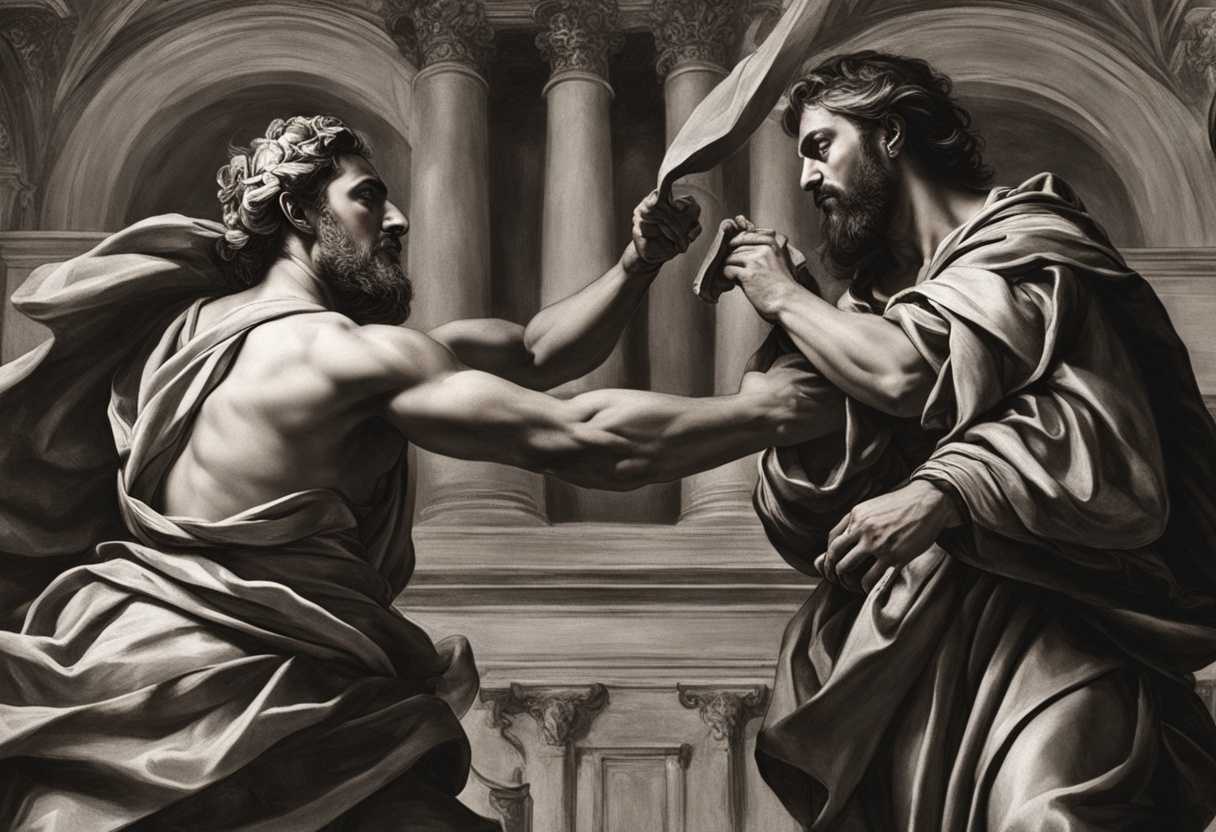
The True Meaning of Jeremiah 28
The book of Jeremiah was written by the prophet Jeremiah, who lived during a tumultuous time in Judah’s history. Jeremiah, as a prophet, delivered God’s messages to the people, often warning them of impending judgment and calling them to repentance. Hananiah, another prophet, makes a bold claim about the future of Judah, and we witness a confrontation between him and Jeremiah in this chapter. Hananiah’s message stands in stark contrast to Jeremiah’s previous warnings, setting the stage for a dramatic showdown. Jeremiah responds to Hananiah’s prophecy and delves into the consequences that unfold.
The events described in this chapter are closely tied to the broader context of Judah’s struggle against the Babylonian empire. Jeremiah had previously warned the people about the coming Babylonian invasion and the need to submit to their rule (Jeremiah 27:12-15). Hananiah’s message, however, offers a different perspective, one that challenges Jeremiah’s prophecies and the people’s understanding of their situation.
Jeremiah 28:1-4
Jeremiah and Hananiah engage in a significant dialogue in Jeremiah 28:1-4. Hananiah was a false prophet who prophesied peace and prosperity for Judah, claiming that within two years, the vessels of the Lord’s house that had been taken by the Babylonians would be returned. This message was contrary to the warnings given by Jeremiah, who had been proclaiming the impending judgment and exile by the Babylonians due to the sins of the people.
This section is crucial because it showcases the clash between true prophecy and false prophecy. Hananiah’s words were soothing to the people, offering them false hope and comforting lies. However, Jeremiah spoke the harsh truth that the people needed to hear, even though it was difficult to accept. This contrast serves as a timeless lesson about discerning true prophets from false ones and the importance of adhering to God’s revealed word rather than succumbing to false promises.
The interaction between Jeremiah and Hananiah illustrates the challenge faced by Jeremiah in maintaining his credibility as a true prophet of God. Jeremiah stood firm in his conviction despite the opposition he faced from false prophets like Hananiah. This highlights the theme of faithfulness and perseverance in delivering God’s message, even when it is unpopular or goes against the prevailing sentiments of society.
The outcome of this encounter further emphasizes the importance of discerning the authenticity of prophecy. Hananiah’s false prophecy was swiftly countered by the word of the Lord through Jeremiah, who declared that Hananiah’s yoke of wood would be replaced by a yoke of iron, symbolizing the severity of the judgment to come. Shortly after this confrontation, Hananiah died, proving the veracity of Jeremiah’s words and the consequences of falsely claiming to speak on behalf of God.
This passage serves as a cautionary tale about the dangers of false prophecy and the consequences of leading people astray. It underscores the need for discernment and a commitment to seeking and following the truth revealed in God’s word. Jeremiah’s unwavering commitment to God’s message in the face of opposition from false prophets sets an example for believers to stay faithful to God’s truth, even when it is challenging or unpopular. True and false prophets engage in a dramatic confrontation in Jeremiah 28, shedding light on the significance of discerning the authenticity of prophetic messages and the consequences of spreading deceitful narratives. The timeless lesson from this narrative is the importance of holding fast to the truth of God’s word and being vigilant against the allure of false teachings and prophecies. This chapter serves as a reminder for believers to stay rooted in God’s revealed truth and to discern carefully the voices they choose to heed, ensuring that they align with the divine wisdom and guidance presented in Scripture.
Jeremiah 28:5-9
Jeremiah 28:5-9 provides insight into a particular event involving two prophets, Jeremiah and Hananiah. The verse starts with Hananiah claiming that God has told him to prophesy the restoration of the temple vessels that had been taken by the Babylonians and the return of the exiled people within two years. Hananiah’s bold proclamation directly challenges Jeremiah’s message of the impending doom that awaited Judah due to their disobedience to God.
Hananiah’s words may have been appealing to the people of Judah who were suffering under the Babylonian rule, as they offered hope for a quick resolution to their plight. However, Jeremiah, the true prophet of God, responds by cautioning the people not to believe the promises of peace and restoration made by false prophets like Hananiah. Jeremiah warns that it is the message of repentance and turning back to God that they should heed, rather than false assurances of immediate deliverance.
This event serves as a powerful reminder of the importance of discerning true prophets from false ones, as well as the consequences of choosing to follow messages that are not aligned with God’s truth. Throughout the Bible, there are numerous instances where false prophets deceive people with their messages of peace and prosperity, leading them away from the path of righteousness. God warns against false prophets in Deuteronomy 18:22 by stating, “When a prophet speaks in the name of the Lord, if the word does not come to pass or come true, that is a word that the Lord has not spoken; the prophet has spoken it presumptuously.””
The confrontation between Jeremiah and Hananiah underscores the theme of obedience and faithfulness to God’s Word. Jeremiah, despite facing opposition and ridicule, remains steadfast in delivering the difficult message of impending judgment because it is the truth that God has revealed to him. Hananiah, on the other hand, represents those who speak falsely in the name of God to gain favor and popularity among the people. Jeremiah exposes Hananiah’s false prophecy when he dies later that year, as prophesied. This serves as a sobering reminder of the consequences of misleading God’s people and the importance of staying true to His Word. Jeremiah’s credibility as a true prophet is reaffirmed in the end, and his message of repentance and restoration through genuine obedience to God prevails. The account in Jeremiah 28:5-9 emphasizes the timeless message of discernment in recognizing true prophets, the consequences of following false teachings, and the necessity of remaining faithful to God’s Word even in the face of opposition. It serves as a cautionary tale for believers to test all spirits and messages against the standard of God’s truth, as seen in 1 John 4:1 – “Beloved, do not believe every spirit, but test the spirits to see whether they are from God, for many false prophets have gone out into the world.”
Jeremiah 28:10-11
Jeremiah and Hananiah have a confrontation in Jeremiah 28:10-11. Hananiah boldly proclaims in the presence of Jeremiah and the people that within two years, God will break the yoke of Babylon from the neck of Judah. This is a direct contradiction to what Jeremiah had been prophesying, which was that Judah would indeed face seventy years of captivity in Babylon. Hananiah’s prophecy must have been comforting to the people as it offered a swift resolution to their suffering, but Jeremiah knew that true prophecy comes from the Lord, and sometimes it involves hardship and discipline.
This passage highlights the importance of discerning true prophets from false ones. Jeremiah had been faithfully delivering God’s message, even when it was a difficult message for the people to accept. Hananiah’s false prophecy offered false hope and comfort, but it was not aligned with God’s will. The Bible often condemned false prophets for leading people astray with lies and deceit. Deuteronomy 18:22 warns: “If the prophet speaks in the Lord’s name but his prediction does not happen or come true, you will know that the Lord did not give that message. That prophet has spoken without my authority and needs not be feared.”
This encounter between Jeremiah and Hananiah serves as a cautionary tale about the dangers of false prophecy and the importance of staying true to God’s word even when it is unpopular or difficult. Jeremiah remained steadfast in his commitment to speaking the truth, despite facing opposition and ridicule. This teaches us the value of perseverance and faithfulness in delivering God’s message, even when it goes against the desires of the people or challenges their beliefs. Jeremiah’s example reminds us that God’s truth is unchanging and that His ways are higher than our ways. Jeremiah exposed Hananiah’s false prophecy when he died later that year, just as Jeremiah had warned. This serves as a sobering reminder that God will not be mocked, and that His true prophets will always be vindicated in the end. We, as believers, are called to test every spirit and every message against the truth of God’s word to avoid being led astray by false teachings or deceptive prophets. Jeremiah’s faithfulness to God’s word in the face of opposition sets an example for us to follow in our own walk with the Lord.
Jeremiah 28:12-14
Jeremiah and Hananiah have a confrontation in Jeremiah 28:12-14. Hananiah had made bold claims in the presence of the priests and all the people, promising that within two years the yoke of the king of Babylon would be broken. This was a message that certainly pleased the people as they longed for liberation from Babylonian domination. However, Jeremiah had a different message from God. His prophetic insight revealed that the yoke of Babylon would not be broken within a short timeframe as proclaimed by Hananiah, but rather the captivity would last for seventy years.
This clash between the two prophets highlights the importance of discerning true prophets from false ones. Hananiah’s message offered a temporary solution, fulfilling the desires of the people for quick deliverance. Jeremiah’s message, aligned with the true word of God, brought forth a hard truth that challenged the popular narrative. Through this, we see an enduring lesson about the need to seek and discern the truth even when messages that offer immediate relief are more appealing.
The story of these two prophets echoes throughout the Bible, emphasizing the significance of speaking God’s true word even when it contradicts popular beliefs or desires. Prophets like Jeremiah often faced opposition and hostility when delivering uncomfortable messages, yet they remained faithful to their calling. Jesus Himself warned about false prophets in Matthew 7:15-20, underlining the importance of discerning true teachings from deceptive ones. This biblical principle stresses the importance of aligning ourselves with God’s truth, even when it challenges our preconceived notions or desires. The interaction between Jeremiah and Hananiah in Jeremiah 28:12-14 serves as a timeless reminder of the need to discern true prophets from false ones, and to prioritize God’s truth over messages that simply cater to our immediate wishes. It encourages us to seek wisdom, discernment, and rely on the unchanging Word of God, even if it means confronting uncomfortable truths.
Jeremiah 28:15-17
Jeremiah 28:15-17 shows a crucial moment in the life of the prophet Jeremiah. The verses depict a confrontation between Jeremiah and another prophet named Hananiah. Hananiah had boldly declared that within two years, the yoke of Babylonian oppression would be broken, and the exiled vessels from the temple of the Lord would be returned. This was a message that would have been very appealing to the people of Judah who were suffering under Babylonian rule and longing for liberation.
However, Jeremiah, being a true prophet of the Lord, discerned that Hananiah’s message was false and misleading. Jeremiah had been consistently warning the people of Judah about their sins and impending judgment by God if they did not repent and turn back to Him. Hananiah’s message contradicted Jeremiah’s warnings and was contrary to the word that Jeremiah had been receiving from God.
While Hananiah may have spoken with conviction and confidence, Jeremiah stayed true to his calling as a prophet even though his message was not popular. He boldly confronted Hananiah, informing him that true prophets in the past had proclaimed judgment and disaster, rather than peace, and that the test of a prophet’s message lay in whether it came true (Deuteronomy 18:21-22). Hananiah’s false prophecy ultimately led to his downfall. Within the year, as prophesied by Jeremiah, Hananiah died. This event served as a sobering reminder of the seriousness of speaking in the name of the Lord without being called by Him. It underscored the importance of discerning true prophets from false prophets, as well as the consequences of misleading God’s people.
The timeless message from this passage in Jeremiah 28 is the importance of discernment and staying true to God’s word even in the face of opposition. It teaches us to be cautious of those who claim to speak for God but do not align with His truth. Throughout the Bible, we encounter various instances where false prophets misled the people, leading them away from God. This story serves as a warning against false teachings and encourages believers to test every spirit to see whether they are from God (1 John 4:1). Jeremiah’s faithfulness to God’s word, even when unpopular, sets an example for us to follow in unwavering obedience to the truth of Scripture.
After Jeremiah 28
The prophet Jeremiah had spoken the word of the Lord, warning the people of the coming destruction. Yet, the false prophet Hananiah stood before the people, claiming that the Lord would break the yoke of the king of Babylon within two years. Jeremiah listened, but knew the truth. He would need to confront Hananiah, for the lives of the people hung in the balance. The stage was set for a clash of prophets, with the future of the nation at stake. Only one could speak the true word of the Lord.

Reverend Michael Johnson is an experienced Church Minister with a profound expertise in spirituality and guidance. With a serene presence and a compassionate heart, he has faithfully served his congregation for over 20 years, leading them on a spiritual journey towards inner peace and enlightenment. Reverend Johnson’s extensive knowledge of religious philosophies and profound understanding of human nature have made him a trusted confidant and mentor to many, as he seamlessly weaves his profound wisdom into life teachings. Reverend Johnson’s calming demeanor and empathetic nature continue to uplift and heal souls, nurturing a sense of unity and tranquility within his community.