
1 “At that time, declares the Lord, I will be the God of all the clans of Israel, and they shall be my people.”
2 Thus says the Lord: “The people who survived the sword found grace in the wilderness; when Israel sought for rest,
3 the Lord appeared to him from far away. “I have loved you with an everlasting love; therefore I have continued my faithfulness to you.
4 Again I will build you, and you shall be built, O virgin Israel!
5 Again you shall plant vineyards on the mountains of Samaria; the planters shall plant and shall enjoy the fruit.
6 For there shall be a day when watchmen will call in the hill country of Ephraim: ‘Arise, and let us go up to Zion, to the Lord our God.’”
7 For thus says the Lord: “Sing aloud with gladness for Jacob, and raise shouts for the chief of the nations; proclaim, give praise, and say, ‘O Lord, save your people, the remnant of Israel.’
8 Behold, I will bring them from the north country and gather them from the farthest parts of the earth, among them the blind and the lame, the pregnant woman and she who is in labor, together; a great company, they shall return here.
9 With weeping they shall come, and with pleas for mercy I will lead them back, I will make them walk by brooks of water, in a straight path in which they shall not stumble, for I am a father to Israel, and Ephraim is my firstborn.
10 “Hear the word of the Lord, O nations,
and declare it in the coastlands far away;
say, ‘He who scattered Israel will gather him,
and will keep him as a shepherd keeps his flock.’”
11 For the Lord has ransomed Jacob and has redeemed him from hands too strong for him.
12 They shall come and sing aloud on the height of Zion,
and they shall be radiant over the goodness of the Lord,
over the grain, the wine, and the oil,
and over the young of the flock and the herd;
their life shall be like a watered garden,
and they shall languish no more.
13 Then shall the young women rejoice in the dance,
and the young men and the old shall be merry.
I will turn their mourning into joy;
I will comfort them, and give them gladness for sorrow.
14 I will feast the soul of the priests with abundance, and my people shall be satisfied with my goodness, declares the Lord.
15 Thus says the Lord: “A voice is heard in Ramah, lamentation and bitter weeping. Rachel is weeping for her children; she refuses to be comforted for her children, because they are no more.”
16 Thus says the Lord: “Keep your voice from weeping, and your eyes from tears, for there is a reward for your work, declares the Lord, and they shall come back from the land of the enemy.
17 There is hope for your future, declares the Lord, and your children shall come back to their own country.
18 I have heard Ephraim grieving,
‘You have disciplined me, and I was disciplined,
like an untrained calf;
bring me back that I may be restored,
for you are the Lord my God.
19 For after I had turned away, I relented,
and after I was instructed, I struck my thigh;
I was ashamed, and I was confounded,
because I bore the disgrace of my youth.
20 Is Ephraim my dear son?
Is he my darling child?
For as often as I speak against him,
I do remember him still.
Therefore my heart yearns for him;
I will surely have mercy on him,
declares the Lord.
21 Set up road markers for yourself; make yourself guideposts; consider well the highway, the road by which you went.
22 How long will you waver, O faithless daughter? For the Lord has created a new thing on the earth: a woman encircles a man.
23 Thus says the Lord of hosts, the God of Israel: “Once more they shall use these words in the land of Judah and in its cities, when I restore their fortunes: “‘The Lord bless you, O habitation of righteousness, O holy hill!’”
24 And Judah and all its cities shall dwell there together, and the farmers and those who wander with their flocks.
25 For I will satisfy the weary soul, and every languishing soul I will replenish.”
26 At this I awoke and looked, and my sleep was pleasant to me.
27 “Behold, the days are coming, declares the Lord, when I will sow the house of Israel and the house of Judah with the seed of man and the seed of beast.
28 And it shall come to pass that as I have watched over them to pluck up and break down, to overthrow, destroy, and bring harm, so I will watch over them to build and to plant, declares the Lord.
29 In those days they shall no longer say:
‘The fathers have eaten sour grapes,
and the children’s teeth are set on edge.’
30 But everyone shall die for his own iniquity. Each man who eats sour grapes, his teeth shall be set on edge.
31 “Behold, the days are coming, declares the Lord, when I will make a new covenant with the house of Israel and the house of Judah,
32 not like the covenant that I made with their fathers on the day when I took them by the hand to bring them out of the land of Egypt, my covenant that they broke, though I was their husband, declares the Lord.
33 For this is the covenant that I will make with the house of Israel after those days, declares the Lord: I will put my law within them, and I will write it on their hearts. And I will be their God, and they shall be my people.
34 And no longer shall each one teach his neighbor and each his brother, saying, ‘Know the Lord,’ for they shall all know me, from the least of them to the greatest, declares the Lord.
35 Thus says the Lord,
who gives the sun for light by day
and the fixed order of the moon and the stars for light by night,
who stirs up the sea so that its waves roar—
the Lord of hosts is his name:
36 “If this fixed order departs from before me, declares the Lord, then shall the offspring of Israel cease from being a nation before me forever.”
37 Thus says the Lord: “If the heavens above can be measured, and the foundations of the earth below can be explored, then I will cast off all the offspring of Israel for all that they have done, declares the Lord.”
38 “Behold, the days are coming, declares the Lord, when the city shall be rebuilt for the Lord from the Tower of Hananel to the Corner Gate.”
39 The measuring line shall go out farther straight to the hill Gareb, and shall then turn to Goah.
40 The whole valley of the dead bodies and the ashes, and all the fields as far as the brook Kidron, to the corner of the Horse Gate toward the east, shall be sacred to the Lord. It shall not be plucked up or overthrown anymore forever.”
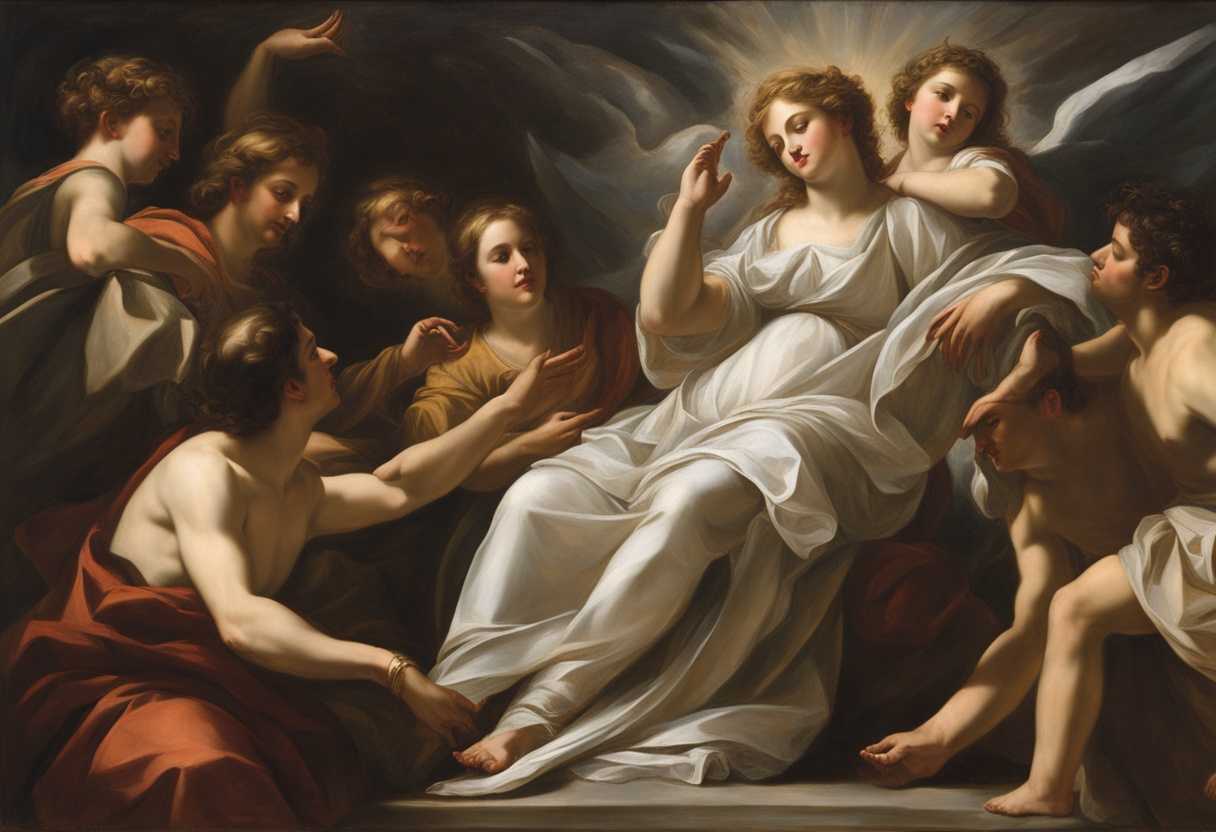
The True Meaning of Jeremiah 31
The book of Jeremiah was written by the prophet Jeremiah, who lived during a tumultuous time in Judah’s history. Jeremiah, as a young man, was called by God to be a prophet, delivering messages of warning and judgment to the people of Judah. Jeremiah offers a message of hope and restoration in this chapter, even as the nation faces the consequences of its disobedience. Jeremiah speaks of a new covenant that God will establish with his people in this passage. This covenant will be different from the one made at Mount Sinai, as it will be written on the hearts of the people, rather than on tablets of stone. Jeremiah also foretells the restoration of Israel and Judah, promising that they will once again be a united nation under God’s rule.
The events described in this chapter echo the themes of redemption and restoration found throughout the Bible. Jeremiah’s words point to a future where God’s people will be reconciled to him, and the brokenness of the past will be healed. God’s unwavering love and his desire to restore his relationship with his people, even in the midst of their failures, are reminded to us as we read this passage.
Jeremiah 31:1-6
The passage in Jeremiah 31:1-6 starts with “At that time, declares the Lord, I will be the God of all the families of Israel, and they shall be my people.”” This opening line sets the tone for a message of hope and restoration. God is declaring His continued covenant relationship with the people of Israel, promising to be their God and have them as His people. This reaffirmation of the covenant is significant because it highlights God’s faithfulness towards His chosen people despite their past transgressions and the consequences they faced due to their disobedience.
The following verses describe a scene of restoration and blessing. God promises that He will bring back the people who were scattered, metaphorically referred to as “the remnant of Israel,” and gather them from the ends of the earth. This language of gathering and reunion speaks to God’s mercy and His desire to reconcile with His people, no matter how far they may have strayed. It reflects God’s unconditional love and His willingness to forgive and restore. God declares in verse 3, “I have loved you with an everlasting love; therefore I have continued my faithfulness to you.”” This proclamation of God’s everlasting love is a powerful assurance to the Israelites of His enduring commitment to them. Despite their unfaithfulness and the trials they have faced, God’s love remains constant and unwavering. This message of relentless love is a timeless and universal truth that extends to all believers, emphasizing the depth of God’s love for His people.
The imagery in verse 4 compares the rebuilding of Israel to the planting of vines on the mountains of Samaria, symbolizing fertility, growth, and abundance. This vivid picture of restoration and prosperity showcases God’s intention to bless His people and bring about a new season of flourishing after a period of desolation. The mention of vineyards also recalls the metaphor of Israel as God’s vineyard in the Old Testament (Isaiah 5:7), underscoring the idea of God’s care and cultivation of His chosen people.
Verse 6 further emphasizes the theme of restoration and renewal, as God promises that there will be a day when watchmen will call out on the hills of Ephraim, urging the people to return to the Lord. This image of watchmen signaling the way back to God conveys a sense of urgency and readiness for repentance and reconciliation. It highlights the importance of being attentive to God’s call and responding to His invitation to return to Him. Jeremiah 31:1-6 conveys a message of hope, restoration, and God’s enduring love for His people. It serves as a reminder of God’s faithfulness, mercy, and desire to reconcile with His children, inviting them to return to Him and experience His abundant blessings. Through the imagery of gathering, rebuilding, and renewal, this passage portrays a narrative of redemption and new beginnings, reflecting God’s redemptive plan for His people throughout history.
Jeremiah 31:7-14
The verse in Jeremiah 31:7-14 can be broken down into several key sections, each carrying its own significance and message. The passage begins with the call to rejoice and shout for Jacob, the chosen nation of Israel. This call to celebration is a powerful reminder of God’s faithfulness and love towards His people, even in times of trial and exile. The mention of Zion in verse 10 is significant as Zion is often used in the Bible to symbolize God’s presence and His eternal kingdom. This places the context of the verse in a setting that is not just about the physical restoration of Israel but also about the spiritual renewal and redemption of God’s people.
The imagery of gathering the remnant of Israel from the distant lands they were scattered to is a theme that runs through many prophecies in the Bible. It highlights God’s promise to always bring back those who have strayed away from Him, demonstrating His relentless pursuit of His people. This act of gathering is not just physical but also symbolizes a spiritual reconnection with God, a theme that resonates throughout the Bible. Isaiah 11:12 prophesies a similar gathering of the dispersed people of Israel, emphasizing the unity and restoration that God promises His people.
The section in Jeremiah 31:9 speaks of weeping being turned to joy, a common theme in the Bible that symbolizes God’s ability to turn sorrow and mourning into gladness and comfort. This idea is echoed in Psalm 30:5, which states, “Weeping may endure for a night, but joy comes in the morning, emphasizing the idea of hope and restoration after a period of despair. The promise of abundance and the flourishing of God’s people in verses 12-14 is a powerful image of God’s provision and care for His children. This promise of abundance can be seen not just in physical blessings but also in spiritual blessings that bring about a deep sense of fulfillment and joy. Jeremiah 31:7-14 offers hope, restoration, and redemption for God’s people. It emphasizes God’s enduring love and faithfulness towards His chosen ones, promising to gather them from all corners of the earth and restore them to a place of blessing and abundance. This message of restoration and renewal is not limited to the nation of Israel but extends to all who are willing to turn back to God and accept His gracious offer of salvation. It serves as a timeless reminder of God’s unfailing promises and His desire to bring His people back to Him, no matter how far they may have wandered.
Jeremiah 31:15-20
Several important sections in Jeremiah 31:15-20 carry profound significance in the context of the broader themes present in the book of Jeremiah.
The passage begins with a powerful depiction of Rachel weeping for her children and refusing to be comforted because they are no more. Rachel, the wife of Jacob, represents the matriarch of Israel, and her anguish symbolizes the deep pain and sorrow felt by the Israelites as they experience the consequences of their disobedience and faithlessness toward God. This imagery of a mother mourning for her lost children evokes a sense of profound loss and despair, highlighting the devastating impact of sin and the need for redemption and restoration.
The subsequent verses shift in tone as God responds to Rachel’s lament, promising a future of hope and restoration for the people of Israel. The Lord assures them that there is hope for their future, and that their children will return to their own land. This message of restoration and renewal speaks to the theme of God’s faithfulness and mercy, even in the face of judgment and exile. It serves as a reminder that, despite the challenges and hardships that the Israelites may face, God’s plans for them are ultimately rooted in love and redemption.
The passage continues with a depiction of Ephraim, representing the northern kingdom of Israel, pleading for mercy and acknowledging their waywardness. This confession of sin and recognition of their need for God’s grace is a key theme throughout the book of Jeremiah. The prophet repeatedly calls on the people to repent and turn back to God, emphasizing the importance of genuine contrition and a desire to seek forgiveness.
God’s response to Ephraim’s plea is one of compassion and forgiveness. The Lord acknowledges Ephraim’s repentance and declares, “Is not Ephraim my dear son, the child in whom I delight? Though I often speak against him, I still remember him. Therefore my heart yearns for him; I have great compassion for him.” This tender portrayal of God’s love and mercy towards His wayward children reinforces the overarching message of God’s enduring faithfulness and grace, even in the face of human frailty and disobedience. Jeremiah 31:15-20 encapsulates the complex interplay of judgment and restoration, sin and forgiveness, despair and hope that characterizes the relationship between God and His people. Through the vivid imagery of Rachel’s lament, Ephraim’s repentance, and God’s compassionate response, the passage conveys a timeless message of redemption and renewal, underscoring the foundational biblical themes of God’s faithfulness, mercy, and unfailing love for His people. It serves as a poignant reminder of the importance of repentance, faith, and trust in God’s promises, even in the midst of adversity and suffering.
Jeremiah 31:21-26
Jeremiah conveys a message of hope and restoration from God to the Israelites in Jeremiah 31:21-26. Let’s identify the subject: “We.” Now, rewrite the sentence in active voice: “We will break down this passage and delve into its significance in the broader context of the Bible.” Jeremiah speaks of setting up road signs and making guideposts to direct the way back to the homeland in verse 21. This imagery of road signs and guideposts can be seen as symbols of God providing clear direction and guidance to His people. It reflects God’s desire for His people to return to Him and follow the path He has laid out for them. This message of guidance is a theme that runs throughout the Bible. Proverbs 3:5-6 says, “Trust in the Lord with all your heart and lean not on your own understanding; in all your ways submit to him, and he will make your paths straight.””
Moving on to verse 22, God is depicted as a loving father calling out to Ephraim, one of the tribes of Israel, as His dear son. This imagery of God’s paternal love and affection for His people is a recurring theme in the Bible. Jesus uses the parable of the prodigal son in Luke 15 in the New Testament to illustrate God’s unconditional love and readiness to welcome back those who have strayed. God declares in verse 23 that the people will once again be able to plant vineyards and enjoy the fruit of their labor, signaling a shift in tone. This promise of restoration and prosperity after a period of desolation reinforces the message of hope and renewal that is central to God’s relationship with His people. This theme of restoration can be seen in the story of Job, who after enduring great suffering and loss, was eventually restored by God in Job 42:10-17.
Verse 24 emphasizes the idea that individuals will no longer be punished for the sins of their ancestors, highlighting the concept of personal responsibility before God. This idea of individual accountability is a fundamental principle in the Bible. “The one who sins will die,” says Ezekiel 18:20. The child will not share the guilt of the parent, nor will the parent share the guilt of the child.”
Lastly, in verses 25-26, God promises to satisfy the weary and replenish the faint. This assurance of God’s provision and care for His people underscores His faithfulness and compassion towards those who are in need. This message of God’s sustenance in times of trouble is echoed throughout the Bible. Psalm 23:1 says, “The Lord is my shepherd, I lack nothing.” Jeremiah 31:21-26 conveys a message of hope, restoration, guidance, and provision from God to His people. It emphasizes God’s enduring love, faithfulness, and desire for reconciliation with His beloved children. The themes of repentance, forgiveness, and grace are woven throughout this passage, reflecting the timeless message of redemption and renewal that permeates the entire biblical narrative.
Jeremiah 31:27-30
The verse in Jeremiah 31:27-30 is divided into two main sections. The first section (verses 27 and 28) talks about the time when God will sow the people of Israel and Judah with the seed of man and beast, indicating a time of restoration and abundance. This imagery of sowing implies growth, fertility, and renewal after a period of desolation and exile. It signifies God’s promise to multiply and bless his people once again after the hardships they have endured. This promise of restoration is a recurring theme throughout the Bible, emphasizing God’s faithfulness and his ability to bring about new life even in the midst of devastation.
The second section (verses 29 and 30) shifts to a more sober tone, where it discusses the idea that the people will no longer use the proverb, “The fathers have eaten sour grapes, and the children’s teeth are set on edge” but instead, everyone will die for their own sin. This passage emphasizes the concept of personal responsibility and accountability before God. It signifies a shift from a collective punishment mindset to individual accountability for one’s actions. This change reflects God’s justice and loving discipline, where each person is held responsible for their own choices and behavior. It also foreshadows the new covenant that God will establish with his people, through which forgiveness and redemption are available to all who turn to Him in repentance and faith.
This passage from Jeremiah 31 ties into the broader theme of God’s covenant and relationship with His people that runs throughout the Bible. It echoes the promises of restoration, forgiveness, and personal accountability that are seen in other parts of the Scriptures. For instance, in Ezekiel 18:2, a similar sentiment is expressed when it says, “The one who sins is the one who will die. The child will not share the guilt of the parent, nor will the parent share the guilt of the child. The righteousness of the righteous will be credited to them, and the wickedness of the wicked will be charged against them.” This consistency in the message of individual responsibility and God’s faithfulness across different books of the Bible underscores the timeless and unchanging nature of God’s character and His relationship with His people.
Jeremiah 31:31-34
Jeremiah delivers a profound message from the Lord to the people of Israel about a new covenant that God will make with His people in Jeremiah 31:31-34. This passage is significant because it foretells a transformative shift in the relationship between God and His people. Jeremiah introduces the concept of a new covenant that God will make with the house of Israel and the house of Judah in the first section of the verse. This new covenant is different from the old covenant made at Sinai when God gave the Law to Moses. The old covenant was based on obedience to a set of laws, but the new covenant that Jeremiah speaks of will be written on the hearts of God’s people. This implies a more intimate and personal relationship between God and His people, where obedience is not merely an external adherence to laws but stems from a heart transformed by God’s grace.
The mention of the house of Israel and the house of Judah is significant in this context. Historically, the twelve tribes of Israel were divided into two kingdoms after the reign of Solomon. The northern kingdom, Israel, and the southern kingdom, Judah, often fell into idolatry and disobedience, leading to their eventual downfall and exile. Jeremiah is conveying that this new covenant is inclusive of all God’s people, regardless of their past divisions and sins by addressing both houses. It speaks of God’s mercy and desire for reconciliation with His entire people.
Jeremiah further explains that in this new covenant, people will not need to teach their neighbor or brother, saying, “Know the Lord,” for they will all know Him, from the least of them to the greatest. This knowledge of God is not merely intellectual but relational. It signifies an intimate and personal knowledge of God that comes from a heart surrendered to Him. This deep connection with God is reminiscent of verses in the Old Testament that speak of seeking God with all our hearts and acknowledging Him in all our ways (Proverbs 3:5-6).
The last section of the verse speaks of God’s forgiveness and forgetfulness of sins. God declares, “For I will forgive their iniquity, and their sin I will remember no more.” This promise of forgiveness and reconciliation is at the core of the Christian faith. Through Jesus Christ, God offers complete forgiveness of sins to all who repent and turn to Him in faith. Psalm 103:12 echoes the message of this verse, saying, “As far as the east is from the west, so far has he removed our transgressions from us.” Jeremiah 31:31-34 paints a beautiful picture of God’s redemptive plan for His people. It speaks of a new covenant characterized by intimacy, personal knowledge of God, forgiveness, and reconciliation. This passage points forward to the ultimate fulfillment of the new covenant in Jesus Christ, through whom we can experience the fullness of God’s grace and mercy.
Jeremiah 31:35-37
Jeremiah conveys a message from God reassuring His people of His faithfulness and the enduring nature of His covenant with them in Jeremiah 31:35-37. Let’s break down this verse into important sections for a detailed commentary:
-
“This is what the Lord says, he who appoints the sun to shine by day, who decrees the moon and stars to shine by night, who stirs up the sea so that its waves roar— the Lord Almighty is his name. Jeremiah begins this section by emphasizing the sovereignty of God over the whole universe. Jeremiah highlights God’s control and authority over all creation by mentioning the sun, moon, stars, and sea. This serves as a reminder to the people of Israel that the same God who orchestrates the movements of celestial bodies is the one who is speaking to them through Jeremiah. It shows the magnitude of God’s power and sets the stage for the message of reassurance that follows.
-
“Only if these decrees vanish from my sight,” declares the Lord, “will Israel ever cease being a nation before me.”
Here, God declares that as long as the ordinances of the sun, moon, and stars continue to exist as part of His created order, His covenant with Israel will endure. This statement reinforces the idea of God’s unwavering commitment to His chosen people. It underscores the idea that God’s promises are reliable and dependable, grounded in His unchanging nature. This message would have provided great comfort to the Israelites, especially during times of uncertainty and turmoil.
- “This is what the Lord says: ‘Only if the heavens above can be measured and the foundations of the earth below be searched out will I reject all the descendants of Israel because of all they have done,’ declares the Lord. God challenges the notion that His covenant with Israel could be annulled in these verses. God is highlighting the impossibility of such a feat by using the imagery of measuring the heavens and searching out the foundations of the earth. This emphasizes the idea that God’s love and faithfulness towards His people are unconditional and surpass human understanding. Despite Israel’s failings and transgressions, God reaffirms His commitment to them, demonstrating His grace and mercy. This reflects the overarching theme of redemption and restoration found throughout the Bible. Jeremiah 31:35-37 reinforces the eternal nature of God’s covenant with His people and His faithfulness to fulfill His promises. It underscores the idea of God’s sovereignty over all creation and His enduring love for His chosen ones. This passage serves as a poignant reminder of the unbreakable bond between God and His people, a theme that reverberates throughout the Bible. It encourages believers to trust in God’s faithfulness and rely on His promises, even in the face of challenges and uncertainties.
Jeremiah 31:38-40
The Lord says in Jeremiah 31:38-40 that the city shall be rebuilt for the Lord from the tower of Hananel to the Corner Gate. And the measuring line shall go out farther straight to the hill Gareb, and shall then turn to Goah. The whole valley of the dead bodies and the ashes, and all the fields as far as the Wadi Kidron, to the corner of the Horse Gate toward the east, shall be sacred to the Lord. It shall never again be uprooted or overthrown. The prophet Jeremiah promises in this passage that a time will come when Jerusalem, the holy city, will be rebuilt and extended with precision from the tower of Hananel to the Corner Gate. This rebuilding is not merely physical but carries deeper spiritual significance. It symbolizes restoration, renewal, and God’s faithfulness to His people despite their unfaithfulness. The meticulous measurements signify God’s plan and order in the rebuilding process, indicating His sovereignty over the land and His intention to establish His presence among His people.
The mention of specific landmarks such as the hill Gareb, Goah, the valley of the dead bodies, the ashes, the Wadi Kidron, and the Horse Gate serves as a geographical reference point for the readers of that time. These landmarks were known to the people of Jerusalem and were integral parts of the city. God is assuring the people that His restoration will be comprehensive by including these landmarks in the prophecy.
The declaration that the entire area, including the valley of the dead bodies and the fields up to the Wadi Kidron, will be sacred to the Lord signifies a transformation of the land from desolation to consecration. This transformation points to the spiritual renewal that God intends to bring about in His people and in the land itself. It is a reminder that God’s plans are not limited by the past failures or sins of His people but are focused on redemption and holiness.
The closing statement that the rebuilt city shall never again be uprooted or overthrown speaks of the permanence and security that God provides to His people. This promise echoes God’s covenant with His people and His commitment to fulfill His purposes despite any obstacles or opposition they may face. It also foreshadows the ultimate fulfillment of God’s kingdom, where there will be eternal stability and peace under His reign.
This passage in Jeremiah 31:38-40 aligns with other prophecies in the Bible that speak of restoration and renewal, such as Isaiah 61:4, where it mentions rebuilding ancient ruins and restoring places long devastated. It also connects with the promise of a new heaven and a new earth in Revelation 21:1-4, where God will dwell among His people, wiping away every tear and making all things new. Jeremiah’s prophecy serves as a reminder of God’s faithfulness, sovereignty, and redemptive plan for His people, pointing towards the ultimate fulfillment of His kingdom.
After Jeremiah 31
The Lord had spoken to Jeremiah, revealing His plan to restore His people. Though they had strayed, the Lord promised to gather them back and establish a new covenant. This covenant would be written on their hearts, and the Lord would forgive their wickedness and remember their sins no more. The people were filled with a renewed sense of hope as the chapter drew to a close. They had witnessed the Lord’s unwavering love and faithfulness, even in the midst of their own failings. Now, they eagerly awaited the fulfillment of the Lord’s promises, knowing that a new chapter in their relationship with Him was about to unfold.

Reverend Michael Johnson is an experienced Church Minister with a profound expertise in spirituality and guidance. With a serene presence and a compassionate heart, he has faithfully served his congregation for over 20 years, leading them on a spiritual journey towards inner peace and enlightenment. Reverend Johnson’s extensive knowledge of religious philosophies and profound understanding of human nature have made him a trusted confidant and mentor to many, as he seamlessly weaves his profound wisdom into life teachings. Reverend Johnson’s calming demeanor and empathetic nature continue to uplift and heal souls, nurturing a sense of unity and tranquility within his community.