
1 Then the Lord answered Job out of the whirlwind and said:
2 “Who is this that darkens counsel by words without knowledge?
3 Dress for action like a man;
I will question you, and you make it known to me.
4 “Where were you when I laid the foundation of the earth?
Tell me, if you have understanding.
5 Who determined its measurements—surely you know!
Or who stretched the line upon it?
6 On what were its bases sunk,
or who laid its cornerstone,
7 when the morning stars sang together, and all the sons of God shouted for joy?
8 “Or who shut in the sea with doors
when it burst out from the womb,
9 when I made the clouds its garment
and thick darkness its swaddling band,
10 and prescribed limits for it and set bars and doors,
11 and said, ‘Thus far shall you come, and no farther, and here shall your proud waves be stayed’?
12 “Have you commanded the morning since your days began,
and caused the dawn to know its place,
13 that it might take hold of the skirts of the earth, and the wicked be shaken out of it?
14 It is changed like clay under the seal, and its features stand out like a garment.
15 From the wicked their light is withheld,
and their uplifted arm is broken.
16 “Have you entered into the springs of the sea,
or walked in the recesses of the deep?”
17 Have the gates of death been revealed to you,
or have you seen the gates of deep darkness?
18 Have you comprehended the expanse of the earth? Declare, if you know all this.
19 “Where is the way to the dwelling of light, and where is the place of darkness,
20 that you may take it to its territory
and that you may discern the paths to its home?
21 You know, for you were born then, and the number of your days is great!
22 “Have you entered the storehouses of the snow,
or have you seen the storehouses of the hail,
23 which I have reserved for the time of trouble,
for the day of battle and war?
24 What is the way to the place where the light is distributed, or where the east wind is scattered upon the earth?
25 Who has cleft a channel for the torrents of rain
and a way for the thunderbolt,
26 to bring rain on a land where no man is, on the desert in which there is no man,
27 to satisfy the waste and desolate land, and to make the ground sprout with grass?
28 Has the rain a father,
or who has begotten the drops of dew?
29 “From whose womb did the ice come forth, and who has given birth to the frost of heaven?
30 “The waters become hard like stone,
and the face of the deep is frozen.”
31 “Can you bind the chains of the Pleiades
or loose the cords of Orion?
32 “Can you lead forth the Mazzaroth in their season,
or can you guide the Bear with its children?
33 Do you know the ordinances of the heavens?
Can you establish their rule on the earth?
34 “Can you lift up your voice to the clouds,
that a flood of waters may cover you?
35 Can you send forth lightnings, that they may go
and say to you, ‘Here we are’?
36 Who has put wisdom in the inward parts
or given understanding to the mind?
37 Who can number the clouds by wisdom?
Or who can tilt the waterskins of the heavens,
38 “when the dust runs into a mass
and the clods stick fast together?”
39 “Can you hunt the prey for the lion,
or satisfy the appetite of the young lions,
40 when they crouch in their dens or lie in wait in their thicket?
41 Who provides for the raven its prey,
when its young ones cry to God for help,
and wander about for lack of food?
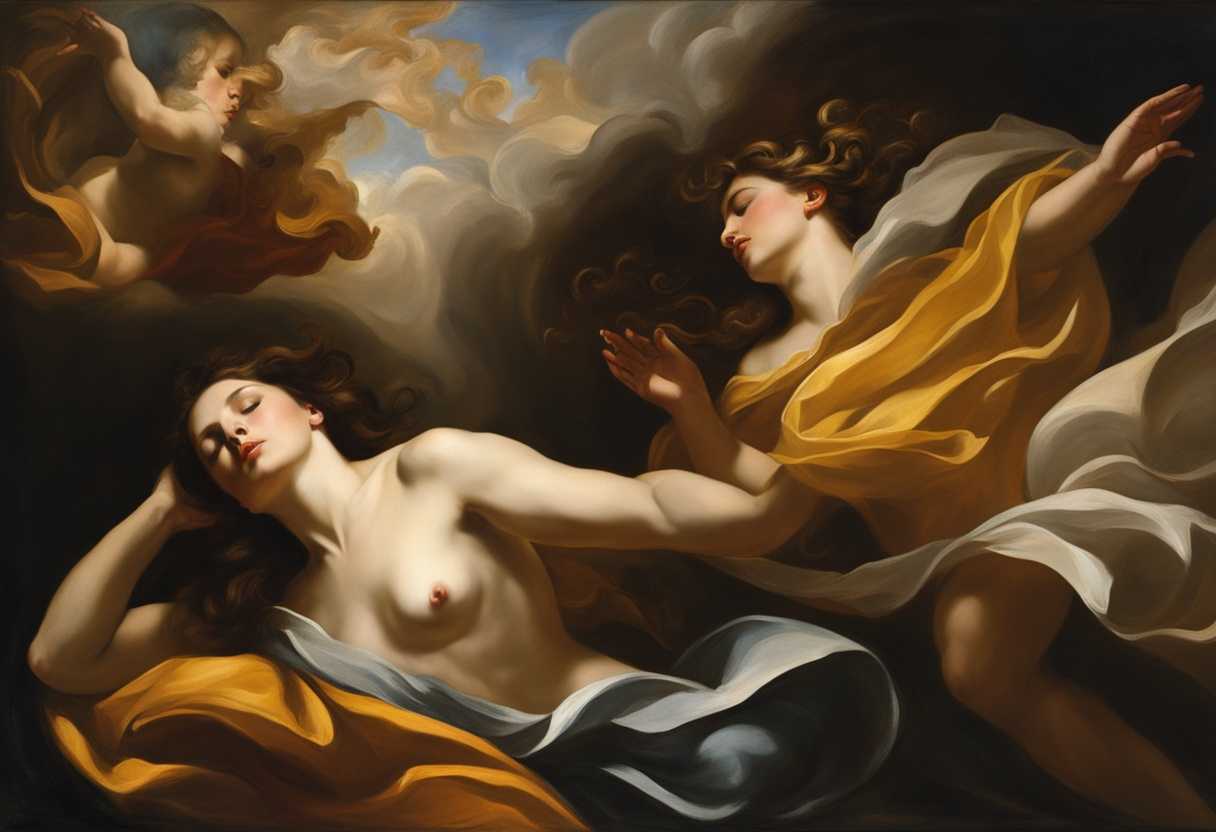
The True Meaning of Job 38
The Book of Job is believed to have been written by the prophet Job himself, though some scholars attribute it to an anonymous author. Job was a righteous man who faced immense suffering and trials, yet remained steadfast in his faith in God. God finally responds to Job’s cries and questions in this chapter, revealing the vastness of His creation and the limits of human understanding. The Almighty challenges Job to consider the wonders of the natural world, from the depths of the sea to the heights of the heavens, and to recognize the sovereignty of the Creator over all things.
This passage echoes the words of the Psalmist, who declared, “The heavens declare the glory of God, and the sky above proclaims his handiwork” (Psalm 19:1). It also foreshadows the humbling of Job, as he is confronted with the sheer power and majesty of the Lord, and is compelled to acknowledge his own insignificance in the grand scheme of the universe.
Job 38:1-7
The Bible states in Job 38:1-7 that the Lord answered Job out of the whirlwind and said, “Who is this that darkens counsel by words without knowledge?” Dress for action like a man; I will question you, and you make it known to me. Where were you when I laid the foundation of the earth? Tell me, if you have understanding. Who determined its measurements—surely you know! Or who stretched the line upon it? On what were its bases sunk, or who laid its cornerstone, when the morning stars sang together and all the sons of God shouted for joy?’”
This passage marks a critical turning point in the book of Job, where God finally responds to Job’s pleas for understanding in the midst of his suffering. The Lord’s powerful and awe-inspiring appearance in a whirlwind signifies His sovereignty and authority over creation. God’s first question to Job, “Where were you when I laid the foundation of the earth?” shows Job, and by extension all of humanity, the limitations of our understanding compared to the divine wisdom of God. This challenges Job’s earlier questioning of God’s justice and his own suffering. God emphasizes His role as the Creator of the universe and all that is in it by invoking the imagery of laying the foundation of the earth and mentioning the morning stars singing and the sons of God shouting for joy. This highlights the theme of God’s omnipotence and the insignificance of human knowledge and understanding compared to His divine wisdom. The majestic language used by God in this passage serves to remind Job, and us, of God’s greatness and the need for humility in the face of His infinite wisdom.
This section of Job 38 serves as a powerful reminder of the eternal truth that God’s ways are beyond human comprehension. It challenges us to trust in God’s sovereignty and wisdom even when we may not understand the reasons for our suffering or the events in our lives. Just as Job is called to acknowledge God’s supreme authority in the midst of his trials, we are also called to trust in the Lord’s plan for us, even when we cannot see the full picture.
The mention of the “sons of God” in this passage has led to various interpretations in biblical scholarship. Some believe these “sons of God” refer to angels or heavenly beings, while others suggest they could be divine council members. This concept of divine beings worshiping and rejoicing in God’s creation is echoed in other parts of the Bible, such as in Psalm 148:1-5, where all creation is called to praise the Lord. Job 38:1-7 challenges us to reflect on the greatness of God, His sovereignty over creation, and the limitations of human understanding. It calls us to humble ourselves before the Creator and trust in His wisdom, even in times of suffering and confusion.
Job 38:8-11
God shut up the sea behind doors when it burst forth from the womb, made the clouds its garment, wrapped it in thick darkness, fixed limits for it, and set its doors and bars in place, saying, ‘This far you may come and no farther; here is where your proud waves halt’.”
This section of the verse highlights the power and authority of God over creation, particularly focusing on the sea. The imagery used here is striking, depicting the sea as a mighty force restrained by God’s command. The sea, often symbolizing chaos and unpredictability in ancient literature, is described as being controlled and limited by God’s word. This portrayal serves to emphasize God’s sovereignty over all aspects of the natural world. The text paints a picture of God as the master and controller of the elements by referring to the sea as being shut up behind doors, made to wear clouds as a garment, and wrapped in darkness. The concept of setting limits for the sea and restraining its waves with doors and bars conveys a sense of boundaries and divine order imposed by God. This imagery underscores the idea that even the seemingly uncontrollable forces of nature are subject to God’s command and authority.
The message conveyed in these verses is one of reassurance and trust in God’s power and wisdom. The story of Job is one of profound suffering and questioning, as Job grapples with the injustices he faces. God’s reminder of His control over creation in this context serves as a powerful reminder of His grandeur and sovereignty. It offers Job, and readers of the text, a perspective of divine order and purpose in the midst of chaos and uncertainty.
This passage echoes themes found throughout the Bible, highlighting God’s role as the creator and sustainer of the world. The LORD on high is mighty, as written in Psalm 93:4, “Mightier than the thunder of the great waters, mightier than the breakers of the sea.”” This verse reinforces the idea of God’s supremacy over the forces of nature, further emphasizing the message of Job 38:8-11. Job 38:8-11 serves as a powerful reminder of God’s authority and control over creation, offering hope and reassurance in times of difficulty and uncertainty. It prompts reflection on the limitations of human understanding and the need to trust in God’s divine plan, even when faced with challenges and trials.
Job 38:12-15
The verses in Job 38:12-15 read: “Have you ever given orders to the morning or shown the dawn its place, that it might take the earth by the edges and shake the wicked out of it? The earth takes shape like clay under a seal; its features stand out like those of a garment. The wicked are denied their light, and their upraised arm is broken.”
These verses are part of God’s response to Job out of the whirlwind, where God is questioning Job’s understanding of His power and sovereignty over creation. Here, God is highlighting His control over the natural world, specifically focusing on the dawn and morning. God is essentially asking Job if he has the power to command the morning to come or to determine where the dawn breaks. God is showcasing His authority and ability to bring order and justice to the world by pointing out the dawn’s precision in taking the earth by the edges and shaking the wicked out of it. The imagery of the earth taking shape like clay under a seal conveys the idea of God’s design and mastery over creation. Just as a seal leaves a clear impression on clay, God’s design is evident in the features of the earth and the orderly way it functions.
The mention of the wicked being denied their light and their upraised arm being broken emphasizes the consequences of defying God’s order and justice. Throughout the book of Job, we see Job struggling with the injustice he faces despite being a righteous man. These verses serve as a reminder that even though the wicked may seem to prosper, ultimately, their deeds will be judged, and justice will prevail.
This passage echoes themes present in other parts of the Bible, such as in Psalm 30:5, where it says, “For his anger lasts only a moment, but his favor lasts a lifetime; weeping may stay for the night, but rejoicing comes in the morning.” The idea of dawn symbolizing a new beginning and God’s faithfulness is a recurring motif in Scripture, underscoring the message of hope and redemption even in the face of trials and suffering. These verses in Job 38 ultimately highlight God’s sovereignty over creation, His justice, and the assurance that even in the darkest moments, light will dawn, and righteousness will prevail.
Job 38:16-18
The Lord is speaking to Job out of the whirlwind in Job 38:16-18, delivering a series of questions that highlight His power and wisdom over creation. Let’s break down the verse into its important sections.
Verse 16: “Have you entered into the springs of the sea or walked in the recesses of the deep?”
Here, God is questioning Job about whether he has the ability to explore the depths of the sea, a realm that was considered mysterious and perilous in ancient times. This question underscores the vastness and complexity of God’s creation, highlighting his sovereignty over the natural world. The springs of the sea and the recesses of the deep symbolize the uncharted territories and mysteries of creation that are beyond human understanding. This verse serves as a reminder of God’s infinite wisdom and power, which surpasses human comprehension.
Verse 17: “Have the gates of death been revealed to you, or have you seen the gates of deep darkness?”
This question draws attention to the realm of death and darkness, areas that are associated with the unknown and the unseen. The gates of death and deep darkness symbolize the mysteries of the afterlife and the spiritual realm that are beyond human sight and knowledge. God is emphasizing the limits of human understanding and the majesty of His divine knowledge by asking Job if he has seen these gates. This verse prompts reflection on the brevity of human life and the existence of spiritual realities that are governed by God’s wisdom and authority.
Verse 18: “Have you comprehended the expanse of the earth? Declare, if you know all this. God challenges Job in this final question to contemplate the vastness and complexity of the earth. God is highlighting the limitations of human knowledge and understanding in the face of His divine wisdom by asking if Job has comprehended the expanse of the earth. The expanse of the earth represents the magnitude of God’s creation and the intricacies of His design, which are far beyond human grasp. This question serves as a humbling reminder of God’s transcendent nature and the inherent limitations of human intellect. God’s sovereignty over creation and His unmatched wisdom are revealed in these verses in Job 38. They serve as a powerful reminder of the divine mystery inherent in the natural world and the spiritual realm. Through these questions, God challenges Job to acknowledge the limits of human understanding and to trust in His infinite knowledge and power. The imagery of the sea, death, darkness, and the earth all point to the vastness and complexity of God’s creation, inviting us to contemplate His majesty and to humble ourselves before His greatness.
These verses in Job 38 resonate with other passages in the Bible that emphasize God’s sovereignty over creation and the importance of recognizing His wisdom and power. For example, in Psalm 147:4-5, it is stated, “He determines the number of the stars; he gives to all of them their names. Great is our Lord, and abundant in power; his understanding is beyond measure.” This parallels the themes present in Job 38, underscoring the incomprehensible nature of God’s wisdom and the need for humility in the face of His greatness.
Job 38:19-21
We read in Job 38:19-21, “Where is the way to the dwelling of light?”.
And darkness, where is its place,
That you may take it to its territory,
That you may know the paths to its home?
Do you know it because you were born then,
Or because the number of your days is great?”
This passage is part of God’s response to Job out of the whirlwind. It showcases God’s power and authority over the universe, questioning Job about the mysteries of creation that are beyond human understanding. The question, “Where is the way to the dwelling of light?” prompts Job to consider the origins and nature of light and darkness, metaphorically representing knowledge and ignorance. God challenges Job’s comprehension by inquiring whether he knows the paths to these fundamental elements of existence. God is drawing attention to the dichotomy of good and evil, knowledge and ignorance by referencing light and darkness. Throughout the Bible, light often symbolizes God’s presence, truth, and righteousness, while darkness symbolizes sin, ignorance, and separation from God. Jesus declares in John 8:12, “I am the light of the world.” Whoever follows me will never walk in darkness but will have the light of life.” This assertion reinforces the notion that God is the ultimate source of wisdom and illumination in a world shrouded by ignorance and sin.
The imagery of light and darkness is recurrent in the Bible, reflecting not only physical phenomena but also spiritual truths. The psalmist affirms in Psalm 119:105, “Your word is a lamp to my feet and a light to my path,” highlighting the guidance and wisdom that God provides to navigate life’s complexities. We, as believers, are called to walk in the light of God’s truth and reject the darkness of falsehood and immorality (Ephesians 5:8).
God’s rhetorical questions in these verses serve to humble Job and emphasize the limitations of human knowledge in comprehending the mysteries of creation. It underscores the theme of humility before God’s wisdom and sovereignty, as echoed in Proverbs 3:5-6, “Trust in the Lord with all your heart and lean not on your understanding. Job’s encounter with God in the whirlwind ultimately serves as a poignant reminder of the vastness of God’s wisdom and the humility required of humanity in acknowledging our limited understanding. It challenges us to trust in God’s providence, even when faced with life’s inexplicable challenges, and to seek His enlightenment in a world often enveloped in darkness and confusion.
Job 38:22-24
God reserves the storehouses of the snow and hail for times of trouble, for days of war and battle. What is the way to the place where the lightning is dispersed, or the place where the east winds are scattered over the earth?”
This section of the book of Job is part of God’s response to Job’s suffering and questioning of His justice. Here, God is questioning Job about his understanding and knowledge of the natural world. God is speaking of the mysteries of creation and the forces of nature that humans cannot fully comprehend. The language used here is rich in imagery, depicting God’s control over the elements of nature such as snow, hail, lightning, and winds. God is emphasizing His sovereignty over the earth and all its elements by posing these questions to Job. It serves as a reminder to Job, and to us as readers, that there are aspects of God’s creation that are far beyond human understanding. This passage highlights the power and wisdom of God as the Creator, who has dominion over all aspects of the natural world.
The imagery of storehouses of snow and hail being reserved for times of trouble or war reflects the idea that God is in control of all things, including the elements that can be used for judgment or blessing. These verses also echo similar themes found in other parts of the Bible. For example, in Psalm 135:7, it says, “He makes clouds rise from the ends of the earth; he sends lightning with the rain and brings out the wind from his storehouses.”
Furthermore, the mention of the place where lightning is dispersed and the east winds are scattered emphasizes God’s authority over the forces of nature. The east wind was often associated with destruction and judgment in the Bible. For instance, in the book of Exodus, the east wind was used by God to part the Red Sea and lead the Israelites to safety, while it later brought destruction upon the pursuing Egyptians (Exodus 14:21). These verses in Job 38 serve as a powerful reflection on God’s incomprehensible power and wisdom, inviting us to trust in His sovereignty even in times of trial and uncertainty. It reminds us of our limited understanding in comparison to the vastness of God’s creation, and the importance of acknowledging and submitting to His divine authority.
Job 38:25-27
The verses in Job 38:25-27 read, “Who cuts a channel for the torrents of rain, and a path for the thunderstorm, to water a land where no one lives, an uninhabited desert, to satisfy a desolate wasteland and make it sprout with grass?” These verses are part of God’s response to Job out of the storm, where God is questioning Job about His divine wisdom and power over the natural world.
The imagery presented here is of God’s control over the weather and the earth, emphasizing His role as the Creator and Sustainer of all things. God is humbling Job and reminding him of the intricacies of His creation by mentioning the channels for rain and paths for thunderstorms, far beyond what human understanding can comprehend.
These verses serve to highlight the sovereignty and wisdom of God, who alone has the power to bring rain to parched lands, transforming desolate wastelands into lush fields. It showcases God’s ability to bring life out of barrenness, demonstrating His power to provide and nourish even in the most unlikely places.
The message conveyed in these verses is timeless and applies to all believers. It reminds us of the importance of recognizing God’s authority and wisdom in all aspects of our lives. Just as God can bring rain to the desert to make it flourish, He can also bring hope and renewal to our most desolate situations if we trust in Him. These verses encourage us to have faith in God’s providence and ability to bring forth growth and blessings in the most unexpected ways.
This narrative of God’s supremacy over nature is not unique to the book of Job; it is a recurring theme throughout the Bible. “He covers the sky with clouds; he supplies the earth with rain and makes grass grow on the hills,” is written in Psalm 147:8-9. He provides food for the cattle and for the young ravens when they call.” This echoes the sentiment expressed in Job, emphasizing God’s provision and care for His creation. Job 38:25-27 serves as a powerful reminder of God’s unmatched wisdom and authority, urging us to trust in His ability to bring forth life and blessings even in the most barren of circumstances.
Job 38:28-30
The verse in Job 38:28-30 asks, “Does the rain have a father?”. Who fathers the drops of dew? From whose womb comes the ice? Who gives birth to the frost from the heavens when the waters become hard as stone, when the surface of the deep is frozen? God in this section poses a series of rhetorical questions to Job, highlighting the intricate details of creation and the natural world. God is emphasizing His sovereign control and authority over nature by asking about the source of rain, dew, ice, and frost. The questions serve to remind Job of the limitations of his understanding compared to God’s infinite wisdom and power.
This passage underscores the magnificence and complexity of God’s creation. It reveals His role as the ultimate Creator and sustainer of the universe, emphasizing that even the seemingly mundane aspects of nature are under His divine control. God challenges Job by directing his focus to these natural phenomena, leading him to acknowledge the vastness of God’s wisdom and sovereignty.
The imagery of rain, dew, ice, and frost also carries symbolic significance in the Bible. Rain is often used as a metaphor for God’s blessings and provision (Deuteronomy 28:12, Isaiah 44:3), while dew symbolizes freshness and renewal (Psalm 133:3). Ice and frost, on the other hand, can represent God’s power and judgment (Job 37:9-10, Psalm 147:16-17). Therefore, these elements not only demonstrate God’s creative power but also reflect His various attributes and actions throughout Scripture. We are prompted to consider the mysteries of God’s ways by the questions regarding the origins of rain, dew, ice, and frost. Just as we may not fully comprehend the processes by which these natural phenomena are formed, there are many aspects of God’s plans and purposes that remain beyond our comprehension. This challenges us to trust in His wisdom and goodness, even when we cannot fully understand His ways (Isaiah 55:8-9). God’s supremacy over creation and His inscrutable wisdom are humbly reminded in this passage in Job 38. It calls us to marvel at the beauty and intricacy of the natural world while acknowledging the limitations of our understanding in the face of God’s infinite knowledge and power.
Job 38:31-33
The verses in Job 38:31-33 read, “Can you bind the chains of the Pleiades or loose the cords of Orion?”. Can you bring forth the constellations in their seasons or lead out the Bear with its cubs? Do you know the laws of the heavens? Can you set up God’s dominion over the earth?” This passage is part of God’s response to Job as He speaks out of the whirlwind.
Firstly, the mention of the Pleiades, Orion, and the constellations emphasizes God’s sovereignty over the universe. The Pleiades is a star cluster in the constellation of Taurus, and Orion is a prominent constellation visible in the night sky. God is highlighting His power and wisdom in creating and controlling the cosmos by referring to these celestial objects. It also serves to show Job how limited his understanding is compared to God’s infinite knowledge and authority.
The question about the Bear and its cubs is likely a reference to the constellation Ursa Major, commonly known as the Great Bear. This further emphasizes God’s mastery over the heavens and celestial bodies. It also serves as a reminder to Job of the intricate details of creation that he could not possibly comprehend or control. God’s rhetorical questions about the natural world and the laws of the heavens are meant to humble Job and demonstrate the incomprehensible wisdom and authority of God.
These verses remind us of the divine order and intricacy that exist in the universe. They point to the fact that God is the ultimate Creator and Ruler over all things, including the stars and constellations. This passage challenges us to acknowledge God’s sovereignty and wisdom in all aspects of our lives, knowing that His plans and purposes far surpass our limited understanding. It also encourages us to trust in God’s divine providence, even when we may not fully comprehend the mysteries of His ways. These verses echo themes found throughout scripture regarding God’s creation, His power over the natural world, and His incomprehensible wisdom in the broader context of the Bible. Psalm 147:4-5 declares, “He determines the number of the stars; he gives to all of them their names. Great is our Lord, and abundant in power; his understanding is beyond measure.” This reflects a similar sentiment to the passage in Job, highlighting God’s authority over the heavenly bodies and His unfathomable knowledge. Job 38:31-33 ultimately serves as a powerful reminder of God’s sovereignty and wisdom, calling us to trust in His divine plan and to humbly acknowledge His greatness in all of creation.
Job 38:34-38
God speaks to Job out of the whirlwind in Job 38:34-38, asserting His sovereignty and asking Job a series of probing questions. Let’s break down this verse into important sections for a deeper understanding.
Starting with verse 34, “Can you command the clouds so that they rain no rain upon you?” Here, God is challenging Job’s understanding of nature and the elements. God is highlighting His own authority over creation by questioning Job’s ability to command the clouds and withhold rain. This reminds us of God’s role as the ultimate creator and sustainer of the universe, emphasizing His limitless power and knowledge. This premise is reiterated in verses like Psalm 147:8-9, where it states, “He covers the heavens with clouds; he prepares rain for the earth; he makes grass grow on the hills.”
Moving on to verse 35, “Can you send forth lightnings, that they may go and say to you, ‘Here we are’?” This question further emphasizes God’s control over natural phenomena. Lightning is a powerful force of nature that underscores God’s supremacy over the elements. It highlights the insignificance of human strength and knowledge compared to the divine wisdom and might of God. Psalms 97:4 echoes a similar sentiment, stating, “His lightnings light up the world; the earth sees and trembles. God continues His line of questioning in verse 36, asking, “Who has put wisdom in the inward parts or given understanding to the mind?”.” This question challenges Job’s understanding of wisdom and knowledge. It draws attention to the fact that true wisdom and understanding ultimately come from God. It serves as a reminder that human wisdom is limited and flawed compared to the infinite wisdom of the Creator. Proverbs 2:6 reinforces this idea, stating, “For the Lord gives wisdom; from his mouth come knowledge and understanding.”
Verse 37 states, “Who can number the clouds by wisdom? Or who can tilt the waterskins of the heavens?” Here, God draws attention to the complexity and vastness of His creation. The imagery of numbering the clouds and tilting the waterskins of the heavens underscores the incomprehensible nature of God’s design. It emphasizes His unfathomable wisdom and power in orchestrating the intricate mechanisms of the natural world. This reminds us of passages like Isaiah 55:8-9, where it says, “For my thoughts are not your thoughts, neither are your ways my ways… For as the heavens are higher than the earth, so are my ways higher than your ways and my thoughts than your thoughts.”
Finally, in verse 38, God asks, “When the dust runs into a mass and the clods stick fast together.” This question highlights the intricacy and beauty of even the seemingly mundane aspects of creation. God’s attention to detail in the formation of something as simple as dust coming together into clods showcases His creative power and divine craftsmanship. It illustrates God’s hand in every aspect of creation, from the grandest design to the minutest detail. This verse echoes themes in Genesis 2:7, where it says, “then the Lord God formed the man of dust from the ground. Job 38:34-38 serves as a powerful reminder of God’s sovereignty, wisdom, and creative power. Through His questioning of Job, God emphasizes His authority over creation and the limitations of human understanding. These verses urge us to humbly acknowledge God’s supremacy and to trust in His infinite wisdom and control over all things.
Job 38:39-41
The passage in Job 38:39-41 reads, “Can you hunt the prey for the lion, or satisfy the appetite of the young lions when they crouch in their dens, or lie in wait in their lair? Who provides for the raven its prey when its young ones cry to God, and wander about for lack of food?” These verses are a part of the profound speech given by God to Job, who had been questioning the fairness and justice of his suffering throughout the book of Job.
The first part of the passage focuses on the lion and its prey. God asks Job if he can hunt prey for the lion or satisfy the hunger of the young lions in their dens. This imagery of the lion hunting and providing for its young highlights the providence and care of God in sustaining His creation. It also emphasizes the order and balance in the natural world, where each creature has its role and is provided for by God. This points to the divine wisdom and sovereignty of God over all living beings.
The mention of the raven in the following verse adds another layer to the discussion. God questions Job about who provides for the raven and its young when they cry out to God for food. This highlights the idea that even the seemingly insignificant creatures are not forgotten by God and are provided for by His grace. The imagery of the raven and its young searching for food underscores the theme of God’s provision for all His creation, no matter how small or seemingly unimportant they may be in the eyes of humans.
Through these verses, God is reminding Job of His power, wisdom, and providence in the natural world. It serves as a rebuke to Job’s questioning of God’s ways and a reminder of the limits of human understanding compared to the vast knowledge and sovereignty of God. This passage encourages humility and trust in God’s plan, even in the midst of suffering and uncertainty. Similar themes of God’s care for His creation and His provision for all living beings are seen in the broader context of the Bible. Jesus speaks of how God feeds the birds of the air in Matthew 6:26, reminding his followers of the Father’s care and provision. The book of Psalms is also full of verses praising God for His sustenance and care for all creatures, reinforcing the message of Job 38:39-41 about God’s providential care for His creation. These verses ultimately serve as a reminder of God’s sovereignty, wisdom, and love for all of His creation, including the seemingly insignificant creatures like lions and ravens.
After Job 38
The Lord had spoken to Job out of the whirlwind, challenging him with a series of questions that revealed the vastness of God’s creation and the limits of human understanding. Job was humbled, realizing his own insignificance in the face of the Almighty. The Lord continued to assert His sovereignty as the chapter drew to a close, leaving Job with a profound sense of awe and a renewed appreciation for the mystery of the divine.
Now, as we turn the page to the next chapter, we will witness Job’s response to the Lord’s powerful display of might and wisdom. How will he react to this divine encounter? Will he find the courage to speak again, or will he remain silent, overwhelmed by the majesty of the Almighty? This profound dialogue holds the potential to transform our own understanding of God’s ways and our place in His grand design, so let us delve deeper into it.

Reverend Michael Johnson is an experienced Church Minister with a profound expertise in spirituality and guidance. With a serene presence and a compassionate heart, he has faithfully served his congregation for over 20 years, leading them on a spiritual journey towards inner peace and enlightenment. Reverend Johnson’s extensive knowledge of religious philosophies and profound understanding of human nature have made him a trusted confidant and mentor to many, as he seamlessly weaves his profound wisdom into life teachings. Reverend Johnson’s calming demeanor and empathetic nature continue to uplift and heal souls, nurturing a sense of unity and tranquility within his community.