
1 “At this also my heart trembles and leaps out of its place.”
2 Keep listening to the thunder of his voice
and the rumbling that comes from his mouth.
3 He sends it out under the whole heaven, his lightning to the corners of the earth.
4 After it his voice roars; he thunders with his majestic voice, and he does not restrain the lightnings when his voice is heard.
5 God thunders wondrously with his voice; he does great things that we cannot comprehend.
6 For to the snow he says, ‘Fall on the earth,’
likewise to the downpour, his mighty downpour.
7 He seals up the hand of every man,
that all men whom he made may know it.
8 Then the beasts go into their lairs, and remain in their dens.
9 Out of the chamber comes the storm,
and cold out of the north.
10 By the breath of God ice is given,
and the broad waters are frozen fast.
11 He loads the thick cloud with moisture;
the clouds scatter his lightning.
12 and it is turned round about by his guidance, that they may do whatever he commands them on the face of the habitable world,
13 Whether for correction or for his land
or for love, he causes it to happen.
14 “Hear this, O Job; stop and consider the wondrous works of God.
15 Do you know how God lays his command upon them
and causes the lightning of his cloud to shine?
16 Do you know the balancings of the clouds, the wondrous works of him who is perfect in knowledge?
17 Keep listening to the thunder of his voice
and the rumbling that comes from his mouth.
18 Can you, like him, spread out the skies, hard as a cast metal mirror?
19 Teach us what we shall say to him; we cannot draw up our case because of darkness.
20 Shall it be told him that I would speak? If a man would speak, surely he would be swallowed up.
21 And now no one looks on the light when it is bright in the skies, when the wind has passed and cleared them.
22 Out of the north comes golden splendor;
God is clothed with awesome majesty.
23 The Almighty—we cannot find him;
he is great in power;
justice and abundant righteousness he will not violate.
24 Therefore men fear him;
he does not regard any who are wise in their own conceit.”
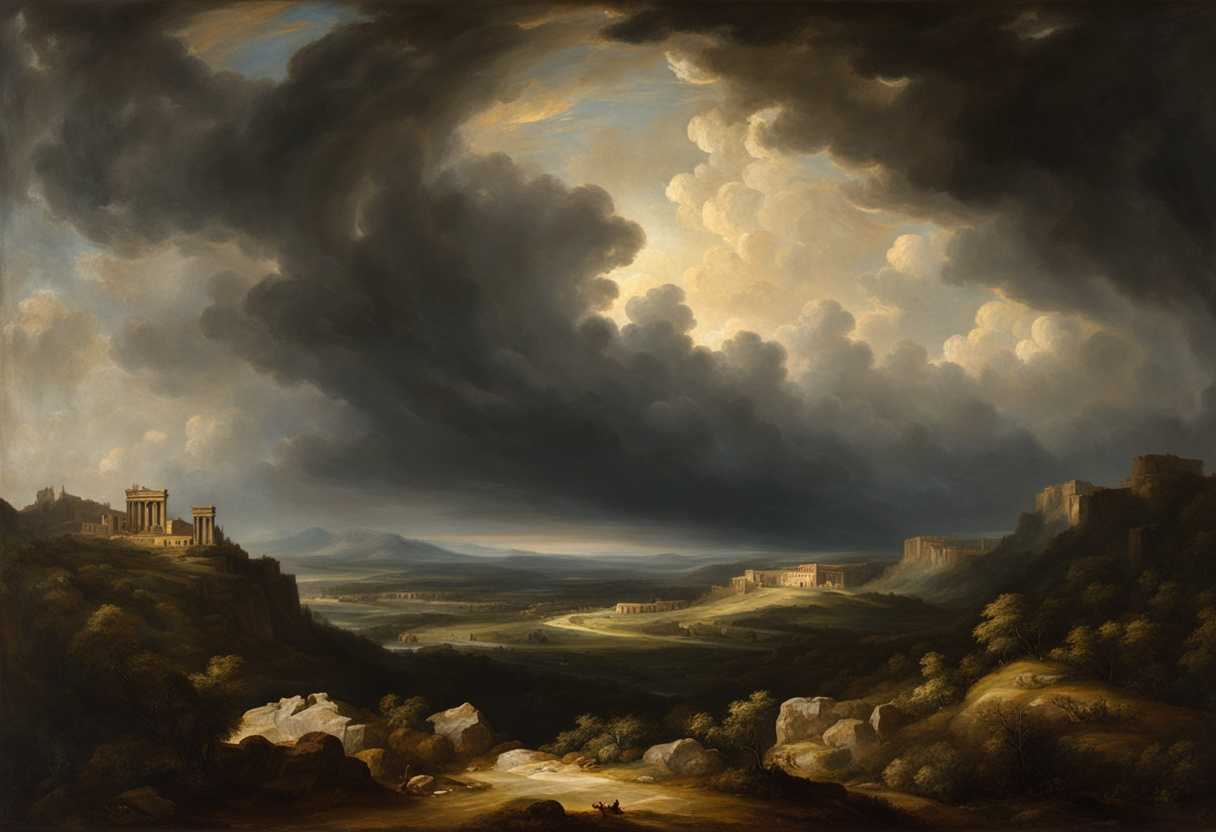
The True Meaning of Job 37
This chapter of the Book of Job is believed to have been written by the prophet Elihu, a young man who had been listening to the debate between Job and his three friends. Elihu now steps in to offer his own perspective on the suffering that Job has endured. Elihu reflects on the power and majesty of God in this passage, drawing connections to the natural world to illustrate the divine’s awesome might. He foreshadows the dramatic appearance of God himself, who will soon intervene and challenge Job’s understanding of justice and righteousness. Elihu’s words set the stage for a pivotal moment in the narrative, as Job is forced to confront the limitations of human wisdom and the unfathomable nature of God’s ways.
Throughout the chapter, Elihu makes references to other biblical passages, such as the creation account in Genesis, where God’s sovereignty over the natural order is established. This serves to reinforce the idea that Job’s suffering, while deeply perplexing, is part of a larger divine plan that transcends human comprehension. As we read on, we will see how this perspective shapes the climactic encounter between Job and the Almighty.
Job 37:1-5
Elihu continues his speech to Job in Job 37:1-5, displaying his deep reverence for God and the power of nature. The passage begins with Elihu acknowledging the thunder as God’s voice, emphasizing the awe-inspiring and majestic nature of God’s creations. This highlights the theme of God’s sovereignty over all aspects of creation, reflecting the belief that every element of the natural world is under His control.
Elihu draws attention to the complexity and mystery of God’s works, urging Job to consider the wonders of nature as a means of understanding the ways of the Almighty. The mention of lightning and the spreading of clouds serves to illustrate the magnificence of God’s power and the intricacy of His design in the world. It emphasizes the idea that God’s ways are beyond human comprehension, inviting humility and a sense of awe in His presence.
The imagery of the whirlwind, which traditionally symbolizes a powerful and uncontainable force, underscores the might and authority of God. This image would not be lost on Job, who had experienced whirlwind-like trials in his own life. Elihu uses this symbol to point to the formidable nature of God and to hint at Job’s need to submit to God’s will and accept His ways, even in times of suffering and confusion.
Elihu’s words echo themes found throughout the Bible, particularly in the book of Job itself. The entire book grapples with the questions of suffering, human limitations in understanding God’s ways, and the importance of faith and trust in the midst of trials. Elihu’s speech, while at times rebuking Job and his friends, also serves to direct their focus back to God’s greatness and wisdom, encouraging them to trust in His divine purposes. Job 37:1-5 underscores the importance of recognizing God’s sovereignty and power in all aspects of life. It encourages humility, reverence, and a deep trust in God’s wisdom, even when faced with the uncertainties and difficulties of this world. Like Job, we are reminded to remain steadfast in our faith and to acknowledge God’s supreme authority over all creation, drawing strength from His presence and guidance.
Job 37:6-13
The passage in Job 37:6-13 depicts the awe-inspiring power and majesty of God as portrayed through nature. The verses speak of God’s control over the weather and His ability to bring about various meteorological phenomena, such as snow, rain, lightning, and storms. The narrative unfolds with Elihu, one of Job’s friends who speaks on behalf of God, pointing to the wonders of creation as a display of God’s sovereignty and wisdom. Elihu declares in verse 6 that God directs the snow to fall on the earth and the showers of rain to water the fields. This imagery serves as a reminder of God’s provision and care for His creation, indicating His intimate involvement in the processes of nature. It conveys the message that even in the seemingly routine occurrences of weather patterns, God’s hand is at work, sustaining and nourishing the earth.
Moving on to verses 7 and 8, Elihu draws attention to the wild elements of nature controlled by God, such as animals taking shelter during storms or remaining in their dens. This highlights God’s authority and control over the entire ecosystem, ensuring that even the creatures of the wild obey His commands and find refuge under His protection. It reinforces the biblical theme of God’s dominion over all creation, illustrating His care for even the smallest and seemingly insignificant parts of His handiwork.
The passage continues in verses 9 and 10 with a vivid description of the stormy weather that God brings about, including thunder, lightning, and swirling winds. This portrayal of natural forces at the command of God underscores His grandeur and supremacy over the elements of the earth. It echoes other verses in the Bible that speak of God’s power over nature, such as Psalm 135:7 which states, “He makes clouds rise from the ends of the earth; he sends lightning with the rain and brings out the wind from his storehouses. Elihu emphasizes the multifaceted purposes of God’s weather patterns in verses 11 to 13, including both correction and blessing. He points out how God may use storms to bring about discipline or to water the earth and demonstrate His goodness. This dual nature of God’s use of weather serves as a reminder of His sovereignty and wisdom in orchestrating events for His purposes, whether in bringing about judgment or showing mercy. It echoes the biblical theme of God’s righteous judgment and His compassionate nature, as seen in passages like Psalm 145:9 which states, “The Lord is good to all; he has compassion on all he has made. Job 37:6-13 captures the intricate relationship between God and His creation, showcasing His authority over nature and His wisdom in its governance. Through the lens of weather phenomena, the passage invites readers to contemplate the majesty of God’s works and His purposes beyond human understanding. It underscores the enduring truth that God’s power and sovereignty are evident not only in the grandeur of creation but also in the intricate details of everyday life, pointing to His unchanging character and divine plan for the world.
Job 37:14-20
Elihu, one of Job’s friends, speaks wisdom and insight regarding the greatness and majesty of God in Job 37:14-20. Let’s break down these verses to understand the powerful message they convey.
Verse 14 starts with Elihu telling Job to listen to the voice of God, which is an essential theme throughout the book of Job. It emphasizes the importance of heeding God’s voice and recognizing His authority and wisdom above all else. Elihu points out that God thunders marvelously with His voice, doing great things beyond our understanding. This serves as a reminder of God’s omnipotence and the unfathomable nature of His ways, reinforcing the idea that humans cannot fully comprehend God’s plans and purposes.
Moving on to verses 15 and 16, Elihu draws attention to the incredible works of God in the natural world. He describes the phenomenon of God commanding the snow and the rain, as well as the storms and the lightning. This imagery is not only a display of God’s power over creation but also a portrayal of His sovereignty and control over all aspects of life. It underscores the idea that God is ultimately in charge of the earth and all its elements, reminding us of His divine authority and supremacy. Elihu speaks about God’s perfect wisdom and justice in verse 17. He highlights that God’s wisdom makes even the animals seek shelter during storms, recognizing His provision and care for all His creation. This emphasizes the intricacy and balance of God’s design in the natural world, where even the animals instinctively understand and respond to His commands. It showcases God’s attention to detail and His concern for every living being, reflecting His overarching love and care for His creation.
Verses 18-20 further elaborate on the power and magnificence of God’s creation. Elihu talks about the breathtaking beauty of the sky when it clears after a storm, with the golden splendor and awesome majesty that reflects God’s glory. This portrayal of nature mirrors God’s grandeur and splendor, illustrating His creativity and artistry in every aspect of the world. It serves as a reminder of God’s presence and magnificence in the midst of all creation, inviting us to marvel at His handiwork and acknowledge His sovereignty over the universe. These verses in Job 37 provide a profound insight into the awe-inspiring nature of God and His works in the world. They remind us of the importance of listening to God’s voice, acknowledging His power and wisdom, and recognizing His sovereignty over all creation. Through Elihu’s words, we are encouraged to marvel at the greatness of God and to trust in His perfect plans, even when we may not fully comprehend them. These verses serve as a powerful testament to God’s glory and magnificence, reinforcing the timeless message of His unmatched authority and love throughout the Bible.
Job 37:21-24
The verses in Job 37:21-24 read, “Now no one looks at the light when it is bright in the skies, when the wind has passed and cleared them.” Out of the north comes golden splendor; God is clothed with awesome majesty. The Almighty! We cannot find Him; He is excellent in power, in judgment, and abundant justice; He does not oppress. Therefore men fear Him; He shows no partiality to any who are wise of heart.”
Breaking this down, the passage begins by highlighting the natural phenomena of not being able to look directly at the sun when it shines brightly in the sky. This serves as a metaphor for the power and majesty of God, which is so great that it is beyond human comprehension. We shield our eyes from the brilliance of the sun just as we cannot fully grasp the greatness of God. This imagery emphasizes the transcendence and overwhelming presence of God in the world.
The mention of the north as the direction from which golden splendor comes can be seen as symbolizing God’s majesty and glory radiating from His very being. The use of “golden splendor” conveys a sense of richness and magnificence, underscoring the divine nature of God Himself. It is a vivid description that evokes a sense of awe and wonder at the Creator’s splendor and beauty.
The passage then reinforces the idea of God’s power, judgment, and justice as being unmatched and perfect. God’s ways are beyond human understanding, and His justice is always executed with righteousness and fairness. This echoes the sentiment expressed throughout the Bible that God’s ways are higher than our ways, and His thoughts are higher than our thoughts (Isaiah 55:9). It reminds us of the importance of trusting in God’s sovereignty even when we cannot fully comprehend His plans.
Furthermore, the verse emphasizes that God does not show partiality towards anyone based on their wisdom or intellect. This is a crucial reminder that God’s love and justice are available to all who seek Him with a sincere heart, irrespective of their worldly status or knowledge. This aligns with the Biblical teaching that God shows no favoritism (Romans 2:11) and that He desires all people to come to repentance (2 Peter 3:9). This passage from Job 37 magnifies the incomprehensible greatness of God, His sovereignty, and His impartial justice. It prompts us to humble ourselves before the Almighty, acknowledging His power and wisdom, and to trust in His righteous ways even when we cannot fully grasp them. It reinforces the timeless message of God’s omnipotence and wisdom, calling us to revere Him and seek His will in all things.
After Job 37
The Lord had spoken to Job out of the whirlwind, reminding him of the wonders of creation. Elihu, a young man, now stood before Job, eager to share his own insights. With a reverent tone, Elihu began to expound on the power and majesty of God, challenging Job’s understanding. Elihu’s words echoed with a sense of awe and humility as the chapter drew to a close, setting the stage for the Lord’s final, thunderous response.
Elihu’s words had stirred the hearts of all who listened, for they spoke of a God whose ways are beyond our comprehension. The young man’s wisdom had cut through the darkness, illuminating the truth that our finite minds cannot fully grasp the infinite. The stage was set for the Lord Himself to speak, to reveal the depths of His divine plan, and to confront Job’s doubts and questions as the chapter ended. The time had come for the Almighty to make His presence known, to shatter the illusions of human understanding and to lead Job, and all who hear, to a deeper reverence and trust in the sovereign God.

Reverend Michael Johnson is an experienced Church Minister with a profound expertise in spirituality and guidance. With a serene presence and a compassionate heart, he has faithfully served his congregation for over 20 years, leading them on a spiritual journey towards inner peace and enlightenment. Reverend Johnson’s extensive knowledge of religious philosophies and profound understanding of human nature have made him a trusted confidant and mentor to many, as he seamlessly weaves his profound wisdom into life teachings. Reverend Johnson’s calming demeanor and empathetic nature continue to uplift and heal souls, nurturing a sense of unity and tranquility within his community.