
1 The men of Ephraim were called to arms, and they crossed to Zaphon and said to Jephthah, “Why did you cross over to fight against the Ammonites and did not call us to go with you? We will burn your house over you with fire.”
2 And Jephthah said to them, “I and my people had a great dispute with the Ammonites, and when I called you, you did not save me from their hand.
3 And when I saw that you would not save me, I took my life in my hand and crossed over against the Ammonites, and the Lord gave them into my hand. Why then have you come up to me this day to fight against me?”
4 Then Jephthah gathered all the men of Gilead and fought with Ephraim. And the men of Gilead struck Ephraim, because they said, “You are fugitives of Ephraim, you Gileadites, in the midst of Ephraim and Manasseh.”
5 And the Gileadites captured the fords of the Jordan against the Ephraimites. And when any of the fugitives of Ephraim said, “Let me go over,” the men of Gilead said to him, “Are you an Ephraimite?” When he said, “No,”
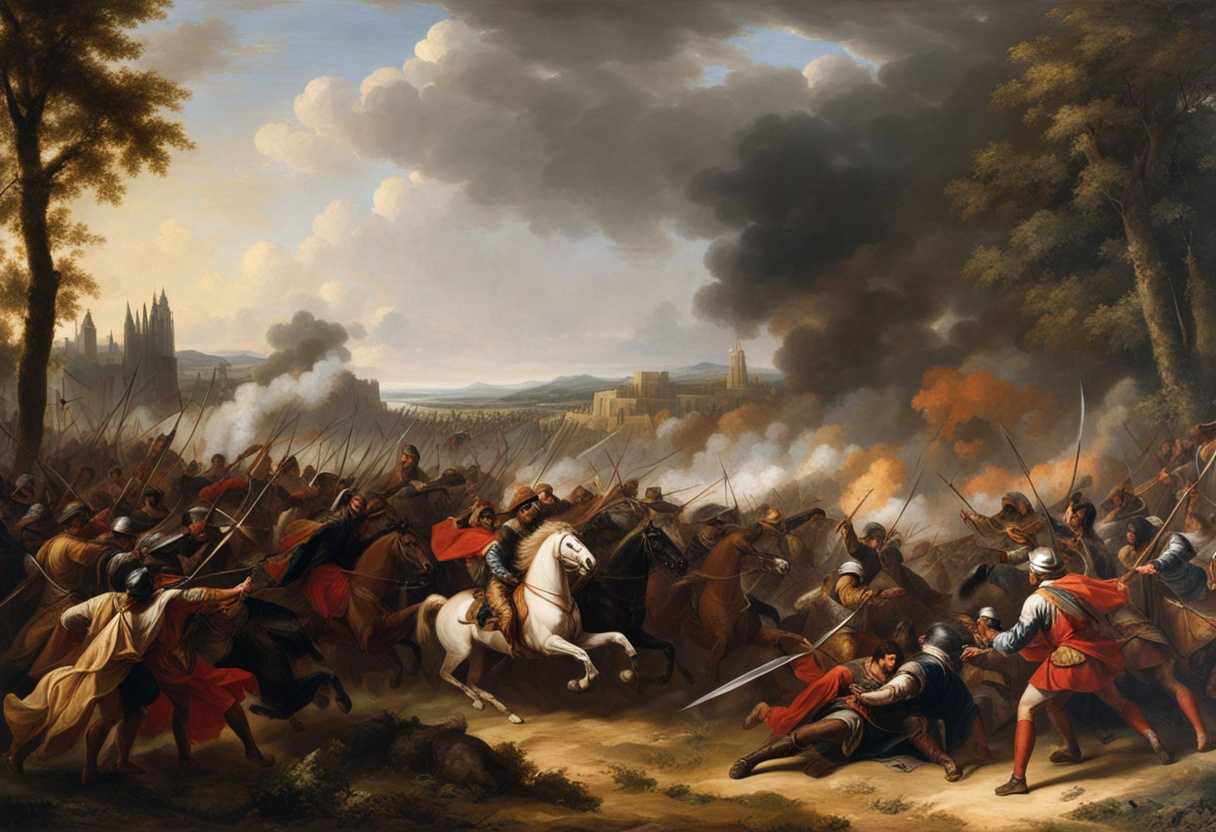
6 then they said to him, “Then say Shibboleth,” and he said, “Sibboleth,” for he could not pronounce it right. Then they seized him and slaughtered him at the fords of the Jordan. And at that time 42,000 of the Ephraimites fell.
7 And Jephthah judged Israel six years. Then Jephthah the Gileadite died and was buried in his city in Gilead.
8 After him Ibzan of Bethlehem judged Israel.
9 He had thirty sons, and thirty daughters he gave in marriage outside his clan, and thirty daughters he brought in from outside for his sons. And he judged Israel seven years.
10 Ibzan died and was buried at Bethlehem.
11 After him Elon the Zebulunite judged Israel, and he judged Israel ten years.
12 And Elon the Zebulunite died, and was buried at Aijalon in the land of Zebulun.
13 After him Abdon the son of Hillel the Pirathonite judged Israel.
14 He had forty sons and thirty grandsons, who rode on seventy donkeys, and he judged Israel eight years.
15 Then Abdon the son of Hillel the Pirathonite died and was buried at Pirathon in the land of Ephraim, in the hill country of the Amalekites.
The True Meaning of Judges 12
The Book of Judges was written by an unknown author, likely a prophet or scribe, who chronicled the history of the Israelites after the death of Joshua. This chapter focuses on the conflict between the Ephraimites and the Gileadites, two powerful tribes within the nation of Israel.
The events described in this chapter take place during a tumultuous period in Israel’s history, marked by political and military struggles for power and influence. The chapter foreshadows the rise of a new leader, Jephthah, who will play a pivotal role in the ongoing battles between the tribes. Readers will witness the tragic consequences of tribal rivalries and the importance of unity within the nation of Israel.
Throughout the passage, the author makes references to other significant events and figures from the Book of Judges, such as the story of Gideon and the ongoing cycle of oppression and deliverance that the Israelites experienced. These connections help to situate the events within the broader context of Israel’s history and the divine plan for their nation.
Judges 12:1-7
A conflict arises between the tribe of Ephraim and the tribe of Gilead in Judges 12:1-7. The Ephraimites were upset because they were not called to fight against the Ammonites alongside the other tribes of Israel. This exclusion caused them to feel slighted and they confronted Jephthah, the leader of the Israelite forces. It is important to note that Ephraim was one of the largest and most dominant tribes in Israel at the time, so their reaction is not surprising given their prominent position.
Jephthah’s response to the Ephraimites is quite diplomatic. He explains that he did call upon them for help but they did not come to his aid when he needed them most. This shows that Jephthah was not trying to undermine the Ephraimites but rather highlight their lack of support when it was required. It also demonstrates Jephthah’s willingness to resolve conflicts peacefully and with reason.
The conflict escalates when the Ephraimites challenge Jephthah, resulting in a battle between them. Jephthah’s forces, representing the tribe of Gilead, emerge victorious and seize the fords of the Jordan River. The fords of the Jordan River controlled passage across the river and were strategic locations in this context. Jephthah’s forces effectively controlled movement in and out of the region by gaining control of these fords. This victory not only solidified Jephthah’s leadership but also showcased the military strength of the tribe of Gilead.
The outcome of this conflict serves as a reminder of the consequences of pride and unfounded accusations. The Ephraimites’ pride was wounded by their exclusion from the battle, leading them to confront Jephthah in a manner that was fueled by their own sense of entitlement. On the other hand, Jephthah remained composed and handled the situation with wisdom and tact. This narrative can be linked to Proverbs 13:10 which states, “Pride only breeds quarrels, but wisdom is found in those who take advice. Jephthah’s wisdom helped him navigate the situation successfully, while the Ephraimites’ pride led to unnecessary conflict in this case.
Judges 12:8-10
A significant section in Judges 12:8-10 highlights a conflict between the tribes of Ephraim and Gilead. The men of Gilead, led by Jephthah, had just defeated the Ammonites, and a dispute arose with the men of Ephraim. The Ephraimites felt slighted that they were not called to fight against the Ammonites and accused Jephthah of excluding them from the battle. This led to a confrontation where the Ephraimites crossed the Jordan River to confront Jephthah. Jephthah defended his actions by explaining that he did call on the Ephraimites for help, but they did not come to his aid when he needed them, in response to the Ephraimites’ accusations. This confrontation escalated into a battle, which resulted in a defeat for the Ephraimites. The men of Gilead controlled the fords of the Jordan River and managed to identify the Ephraimites by making them pronounce the word “Shibboleth,” a test that revealed their origin as Ephraimites. Those who failed to pronounce it correctly were captured and killed by the men of Gilead.
This passage serves as a cautionary tale about the dangers of pride, ego, and jealousy. The pride of the Ephraimites led to a destructive conflict that resulted in unnecessary bloodshed. It also emphasizes the importance of loyalty, unity, and cooperation among God’s people. The failure of the Ephraimites to support their fellow Israelites in battle not only caused resentment but also left them vulnerable to defeat when they later sought to assert their importance.
Furthermore, the use of the word “Shibboleth” as a test to identify the Ephraimites carries a symbolic significance. It serves as a reminder that external markers may sometimes reveal deeper truths about a person’s identity or allegiance. It prompts us to reflect on the genuineness of our faith and the authenticity of our actions as followers of God in a spiritual sense. Our beliefs and deeds can distinguish us as God’s children, just as the pronunciation of “Shibboleth” separated the Ephraimites from the Gileadites.
This passage echoes themes found throughout the Bible, such as the importance of humility (Proverbs 11:2), the destructive nature of pride (Proverbs 16:18), and the unity of believers (1 Corinthians 12:12-27). It also serves as a reminder of the consequences of division and discord among God’s people, emphasizing the need for reconciliation, forgiveness, and love within the body of Christ.
Judges 12:11-12
Elon the Zebulunite led Israel for ten years after him in Judges 12:11-12. But Elon, the Zebulunite, died and was buried at Aijalon in the land of Zebulun. A cycle of sin, oppression, repentance, and deliverance marks the period in the book of Judges. The verses here mention Elon the Zebulunite, who served as a judge over Israel for a period of ten years. This brief mention of Elon serves as a reminder that God raised up leaders, not only from the well-known tribes like Judah or Benjamin but also from the lesser-known tribes like Zebulun. It shows God’s sovereignty in choosing whom He will for leadership roles, regardless of their background or status in society.
The fact that Elon’s leadership is highlighted, followed by his death and burial, indicates the temporariness of human leadership. It underscores the reality that all human leaders, no matter how successful or esteemed, are temporary and will ultimately pass away. This can serve as a reminder for readers to place their ultimate trust and faith in God, who is eternal and unchanging, rather than in mortal leaders or individuals.
This passage in Judges 12 also emphasizes the importance of recognizing and honoring those who may not be prominently mentioned in history books or given significant attention. It highlights the contributions of individuals like Elon, who faithfully served their purpose during their time. This can be a valuable lesson for us today, to appreciate the efforts of all who work faithfully behind the scenes, as every individual has a role to play in God’s greater plan. This passage prompts us to consider the legacy we are leaving behind as we reflect on it. Are we using our time and talents to serve God and others faithfully, like Elon did, or are we solely focused on our own ambitions and desires? It challenges us to think about the impact we are making in our sphere of influence and whether we are living in a way that honors God and serves His purposes. God uses ordinary individuals to accomplish extraordinary things in the broader context of the Bible. From the judges in the book of Judges to the apostles in the New Testament, God often chooses the humble and the unlikely to fulfill His plans. This serves as a powerful reminder that God can use anyone who is willing to submit to His will and follow Him wholeheartedly. The story of Elon the Zebulunite serves as a testament to God’s ability to work through individuals from all walks of life for His glory and purpose.
Judges 12:13-15
Elon, a character named in Judges 12:13-15, arose as a judge in Israel after the time of Jephthah, and we witness a brief but telling account of him. The passage states: “After him Elon the Zebulunite judged Israel. He judged Israel ten years. Then Elon the Zebulunite died and was buried at Aijalon in the land of Zebulun.” Although Elon’s judgeship is concise in its depiction, it is important to reflect on the significance of his role in the ongoing narrative of the Israelites.
Elon’s brief mention highlights the cyclical nature of the judges in the book of Judges. These leaders were individuals raised up by God to deliver the Israelites from their oppressors when they cried out to Him. The appointment of judges like Elon was indicative of God’s faithfulness to His people, despite their continuous cycle of sin, repentance, and deliverance.
Elon’s tenure as a judge lasting for ten years indicates a period of relative peace and prosperity for Israel under his leadership. Throughout the book of Judges, we see a pattern of the Israelites enjoying peace during the judges’ rule followed by a return to sin and subsequent oppression when the judge passed away, leading to a cry for deliverance once again.
The mention of Elon’s burial place at Aijalon in the land of Zebulun is significant in that it ties his earthly existence and service to a specific location. This detail not only provides historical context but also serves as a reminder of the mortality of these judges and the transient nature of human leadership. It underscores the importance of recognizing God as the ultimate sovereign authority and the need for faithful leadership that acknowledges and honors His guidance.
Understanding Elon’s role within the broader narrative of the book of Judges emphasizes the theme of God’s faithfulness despite human shortcomings. The accounts of the judges serve as both historical records and spiritual lessons for later generations, illustrating the consequences of straying from God’s ways and the blessings of obedience. The brief mention of Elon reminds us of the importance of faithful service, even in seemingly lesser-known roles, and the lasting impact that obedience to God can have on a community.
This passage, though succinct, invites readers to reflect on the faithfulness of God in raising up leaders for His people and the importance of remaining steadfast in serving Him, even if it seems that our contribution may be brief or less prominent. It encourages us to seek God’s guidance in all aspects of our lives and to trust in His sovereignty, knowing that He is faithful to fulfill His promises and deliver His people in times of need.
After Judges 12
The men of Ephraim were defeated. Their pride had led them to challenge Jephthah, but they were no match for his wisdom and courage. A hush fell over the land as people carried away the bodies of the fallen. The people knew that this was not the end of the conflict, but rather the beginning of a new chapter in their history.
The reverend stood before his congregation, his eyes filled with a solemn determination. “My friends,” he began, “we have seen the consequences of pride and division. But now, we must look to the future, and ask ourselves: what lessons can we learn from this tragedy? How can we come together, as a people, to ensure that such bloodshed never happens again?”

Reverend Michael Johnson is an experienced Church Minister with a profound expertise in spirituality and guidance. With a serene presence and a compassionate heart, he has faithfully served his congregation for over 20 years, leading them on a spiritual journey towards inner peace and enlightenment. Reverend Johnson’s extensive knowledge of religious philosophies and profound understanding of human nature have made him a trusted confidant and mentor to many, as he seamlessly weaves his profound wisdom into life teachings. Reverend Johnson’s calming demeanor and empathetic nature continue to uplift and heal souls, nurturing a sense of unity and tranquility within his community.