
1 In those days there was no king in Israel. And in those days the tribe of the people of Dan was seeking for itself an inheritance to dwell in, for until then no inheritance among the tribes of Israel had fallen to them.
2 So the people of Dan sent five able men from the whole number of their tribe, from Zorah and from Eshtaol, to spy out the land and to explore it. And they said to them, “Go and explore the land.” And they came to the hill country of Ephraim, to the house of Micah, and lodged there.
3 When they were by the house of Micah, they recognized the voice of the young Levite. So they turned aside and said to him, “Who brought you here? What are you doing in this place? What is your business here?”
4 And he said to them, “Thus and so has Micah dealt with me: he has hired me, and I have become his priest.”
5 And they said to him, “Inquire of God, please, that we may know whether the journey on which we are setting out will succeed.”
6 And the priest said to them, “Go in peace. The journey on which you go is under the eye of the Lord.”
7 Then the five men departed and came to Laish and saw the people who were there, how they lived in security, after the manner of the Sidonians, quiet and unsuspecting, lacking nothing that is in the earth and possessing wealth, and how they were far from the Sidonians and had no dealings with anyone.
8 And when they came to their brothers at Zorah and Eshtaol, their brothers said to them, “What do you report?”
9 They said, “Arise, and let us go up against them, for we have seen the land, and behold, it is very good. And will you do nothing? Do not be slow to go, to enter in and possess the land.
10 When you go, you will come to an unsuspecting people. The land is spacious, for God has given it into your hands, a place where there is no lack of anything that is in the earth.”
11 So, the five men went on and came to Laish and saw the people who were there, how they lived in security, after the manner of the Sidonians, quiet and unsuspecting, lacking nothing that is in the earth and possessing wealth, and how they were far from the Sidonians and had no dealings with anyone.
12 And they took what Micah had made, and the priest who belonged to him, and they came to Laish, to a people quiet and unsuspecting, and struck them with the edge of the sword and burned the city with fire.
13 And they passed on from there to the hill country of Ephraim, and came to the house of Micah.
14 Then the five men who had gone to scout out the country of Laish said to their brothers, “Do you know that in these houses there are an ephod, household gods, a carved image, and a metal image? Now therefore consider what you will do.”
15 And they turned aside there and came to the house of the young Levite, at the home of Micah, and asked him about his welfare.
16 And the six hundred men armed with their weapons of war, who were of the people of Dan, stood by the entrance of the gate.
17 Now the five men who had gone to scout out the land went up and entered there and took the carved image, the ephod, the household gods, and the metal image, while the priest stood by the entrance of the gate with the 600 men armed with weapons of war.
18 And when these went into Micah’s house and took the carved image, the ephod, the household gods, and the metal image, the priest said to them, “What are you doing?”
19 And they said to him, “Keep quiet; put your hand on your mouth and come with us and be to us a father and a priest. Is it better for you to be priest to the house of one man, or to be priest to a tribe and clan in Israel?”
20 And the priest’s heart was glad. He took the ephod and the household gods and the carved image and went along with the people.
21 So they turned and departed, putting the little ones and the livestock and the goods in front of them.
22 When they were a good way from the home of Micah, the men who were in the houses near Micah’s house were called out, and they overtook the people of Dan.
23 When they shouted for the men of Dan, who turned around and said to Micah, “What is the matter with you, that you come with such a company?”
24 And he said, “You take my gods that I made and the priest, and go away, and what have I left? How then do you ask me, ‘What is the matter?’”
25 And the people of Dan said to him, “Do not let your voice be heard among us, lest angry fellows fall upon you, and you lose your life, with the lives of your household.”
26 So the people of Dan went their way. And when Micah saw that they were too strong for him, he turned and went back to his home.
27 But the people of Dan took what Micah had made, and the priest who belonged to him, and they came to Laish, to a people quiet and unsuspecting, and struck them with the edge of the sword and burned the city with fire.
28 There was no deliverer because it was far from Sidon, and they had no dealings with anyone. It was in the valley that belongs to Beth-rehob. Then they rebuilt the city and lived in it.
29 And they named the city Dan, after the name of Dan their ancestor, who was born to Israel; but the name of the city was Laish at the first.
30 And the people of Dan set up the carved image for themselves, and Jonathan the son of Gershom, son of Moses, and his sons were priests to the tribe of the Danites until the day of the captivity of the land.
31 And they set up Micah’s carved image that he made, as long as the house of God was at Shiloh.
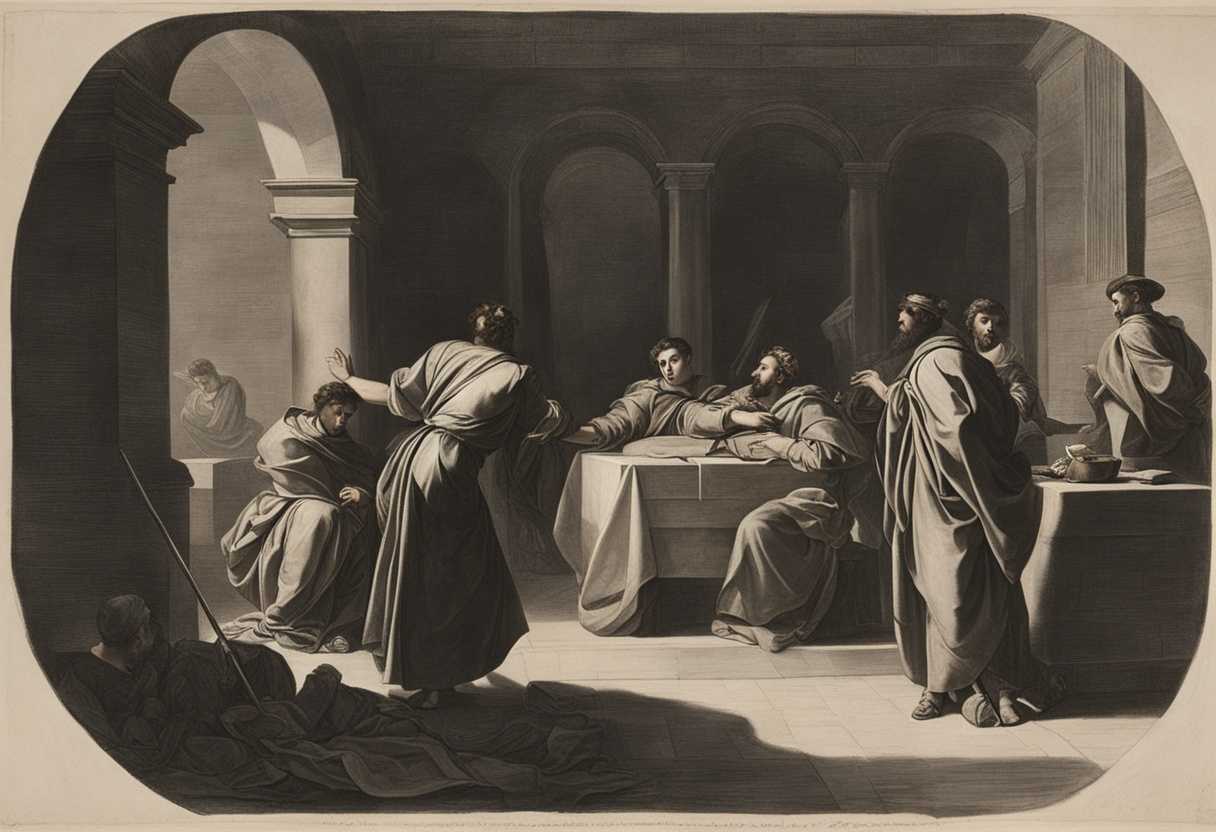
The True Meaning of Judges 18
The book of Judges was written by an unknown author, likely a prophet or scribe, who chronicled the history of the Israelites after the death of Joshua. This chapter describes the migration of the tribe of Dan and their conquest of the city of Laish, which they renamed Dan. The Danites seek a new homeland in this passage because their original allotment in Canaan was too small for their growing population. Their journey takes them to the northern region, where they encounter the idolatrous shrine of Micah and eventually seize control of it. This sets the stage for a confrontation with the peaceful inhabitants of Laish, whom the Danites swiftly conquer and assimilate into their own tribe.
The events in this chapter echo the broader themes of the book of Judges, where the Israelites repeatedly fall into idolatry and moral decline, only to be delivered by a series of divinely appointed leaders. The Danites’ actions, while driven by practical concerns, also reveal the spiritual and ethical challenges facing the nation as it struggles to establish itself in the Promised Land.
Judges 18:1-6
The tribe of Dan in Judges 18:1-6 is seen searching for their own territory. The Danites had failed to take full possession of the inheritance designated to them (Joshua 19:47), prompting them to seek out new land. This situation reflects a recurring theme in the Bible: the consequences of neglecting God’s promises and commands. The Danites, instead of confronting their failure and seeking God’s guidance, decided to take matters into their own hands by sending out spies to find new territory.
This passage serves as a cautionary tale about the dangers of self-reliance and disobedience. The Danites did not consult God or follow the prescribed methods for acquiring land, exemplifying a lack of faith in His providence. Throughout the Bible, we see the importance of seeking God’s guidance in all endeavors. Proverbs 3:5-6 reminds us to trust in the Lord with all our hearts and lean not on our own understanding, acknowledging Him in all our ways so that He can direct our paths.
Furthermore, the Danites’ actions reveal their impatience and lack of faith in God’s timing. They demonstrate a lack of trust in God’s ability to provide for them by taking matters into their own hands. This serves as a stark reminder for believers to wait on the Lord and trust in His perfect timing. Isaiah 40:31 encourages us to wait on the Lord, for those who do so will renew their strength and soar on wings like eagles.
The account of the tribe of Dan in Judges 18 also underscores the importance of honoring one’s commitments and responsibilities. The Israelites were allocated specific territories by God, but the Danites sought to deviate from this divine distribution. This deviation not only led to consequences for the Danites but also disrupted the order established by God. Believers in a similar vein are called to be faithful and obedient in all areas of their lives, trusting that God’s plans are perfect and His ways are higher than ours (Isaiah 55:8-9). Judges 18:1-6 serves as a poignant reminder of the consequences of disobedience, self-reliance, impatience, and a lack of faith in God’s promises. The Danites’ actions highlight the importance of seeking God’s guidance, trusting in His timing, and honoring one’s commitments. These timeless messages resonate throughout the Bible and continue to instruct believers today on the importance of faith, obedience, and reliance on God’s providence.
Judges 18:7-10
The five men sent by the Danites arrived at the territory of Laish and saw that the people there were living securely in Judges 18:7-10. They encountered Micah’s house and recognized the voice of the young Levite who was serving as Micah’s priest as they journeyed. They decided to stop and inquire of him how he had come to be there and what his business was.
The arrival of the men from the tribe of Dan at the land of Laish carries significant weight in the context of the Book of Judges. The Danites were a tribe of Israel that had been assigned land within the territory of the tribe of Judah, but they struggled to fully possess their inheritance due to the strength of their enemies, the Amorites. This forced them to seek out new territory, leading them to scout out the land of Laish for potential conquest.
The encounter with Micah’s house and the recognition of the young Levite highlights the intertwining of various narratives in the Book of Judges. Micah was a man who had crafted his own idols and consecrated his own shrine, appointing the Levite as his personal priest. This narrative reveals the theme of idolatry and syncretism that plagued the Israelites during this time, as they deviated from worshipping the one true God.
The presence of the Levite, who was meant to be serving the Lord in a proper setting like the tabernacle, instead found himself entangled in the household of Micah, serving idols. This deviation from the prescribed worship of God reflects the prevalent spiritual decline and moral relativism among the Israelites during the period of the Judges.
The actions of the Danites in stopping at Micah’s house to inquire further about the Levite symbolize their opportunistic and pragmatic approach in seeking divine guidance for their conquest of new territory. This incident serves as a cautionary tale about the dangers of compromising on one’s faith and the consequences of straying from God’s commandments.
The narrative in Judges 18:7-10 is a microcosm of the larger themes of apostasy, idolatry, and moral decay that permeate the Book of Judges. It underscores the importance of fidelity to God’s laws and the dangers of syncretism and compromise in spiritual matters. This account serves as a sobering reminder for believers to remain steadfast in their faith and obedience to God, avoiding the pitfalls of following after false gods or engaging in practices that deviate from His word. The ultimate lesson from this passage is the need for repentance, renewal, and a return to wholehearted devotion to the Lord, as seen in the examples of faithfulness throughout the Bible, such as in the lives of David, Solomon, and Hezekiah, who sought to honor God in all they did.
Judges 18:11-13
A group of Danites is seen on their journey to find a new territory to settle in Judges 18:11-13. They notice the people living there are secure and at ease as they pass through the territory of the descendants of Laish. This observation leads them to conclude that their land is spacious and lacks nothing – a place where God has provided for them. These Danites were on a quest to find a more suitable land for themselves since their inheritance was not sufficient.
This passage provides us with a view of the Danites’ mindset – they were seeking a comfortable life, desiring a land that would cater to their needs and give them security and luxury. This can serve as a cautionary tale on the dangers of seeking worldly comforts above all else. It highlights the importance of contentment and being faithful with what God has already provided, rather than constantly chasing after more.
Furthermore, this passage also raises questions about the Danites’ faith and reliance on God. Instead of seeking guidance from God or trusting in His provision, they were driven by their own desires and assumptions. This lack of seeking God’s will in their decision-making process led them to make hasty and potentially reckless choices. Proverbs 3:5-6 instructs us to “Trust in the Lord with all your heart and lean not on your own understanding; in all your ways submit to him, and he will make your paths straight.”” This verse reminds us of the importance of trusting in God’s guidance and seeking His will in all aspects of our lives. The account of the Danites in Judges 18 serves as a reminder to prioritize faithfulness, contentment, and reliance on God over the pursuit of worldly comforts and desires.
Judges 18:14-20
The Danite tribe scouts the city of Laish in Judges 18:14-20 as they set out to find a new territory to settle in. This section narrates their encounter with the priests of the pagan shrine at Micah’s house. The Danites were looking for a suitable land to occupy and had sent out five men to spy on potential locations. They recognized the Levitical priest who had been serving in the shrine made by Micah for his idols as they approached Micah’s house. The recognition of the priest must have given the Danites a sense of divine approval or luck in their endeavor, as having a Levitical priest with them was likely perceived as a sign of blessing. This incident sheds light on the prevalent syncretism during the time of the judges, where even the priests were willing to involve themselves in idol worship.
The priest in question belonged to the tribe of Levi, the designated priestly tribe among the Israelites. The role of the Levites was to serve in the tabernacle and later the temple, offering sacrifices and performing other sacred duties on behalf of the people. The fact that this priest had left his assigned duties within the tribe of Levi to serve as a private priest for Micah reflects the spiritual decline and moral confusion prevalent among the Israelites during the period of the judges. This deviation from the prescribed religious practices set forth by God through Moses was a stark departure from the Israelites’ covenant relationship with Yahweh.
The Danite scouts, upon recognizing the priest, inquired about their mission’s success, seeking assurance that their journey would be favored by God. The priest, possibly motivated by personal gain or security, reinforced their belief that their mission would be successful. His words served as confirmation for the Danites, further justifying their actions in conquering new lands. This interaction underscores the danger of seeking validation for one’s plans from sources other than God. It highlights the tendency of people to seek affirmation for their desires, even if it means compromising their values or faith. The Danites proceed to Laish and conquer the unsuspecting city as the narrative progresses, taking advantage of its isolation and vulnerability. The city of Laish was located in northern Canaan, near the sources of the Jordan River, in a region that had remained largely untouched by previous Israelite conquests. The ease with which the Danites overtook Laish suggests a divine hand in facilitating their acquisition of the territory. This episode reflects the recurring theme in the book of Judges where God empowers various tribes to overcome their enemies and claim the land promised to their ancestors.
The account in Judges 18 serves as a cautionary tale about the dangers of syncretism, compromise, and seeking validation from sources other than God. It highlights the consequences of straying from God’s commands and the moral decay that results from pursuing selfish ambitions. Readers are prompted to reflect on their own obedience to God’s word and the importance of seeking His guidance and approval in all endeavors by examining the actions of the Danites and the compromised state of the Levitical priest. The episode also underscores the faithfulness of God in fulfilling His promises to His people, even amidst their failings and shortcomings.
Judges 18:21-26
A significant narrative unfolds within the context of the tribe of Dan in Judges 18:21-26. The section begins with the mention of the Danites heading back to their homes in Zorah and Eshtaol, only to find circumstances quite different from what they left behind. The focus here is on Micah, a man who had set up his own shrine with household gods, an ephod, and other the priestly items. It is crucial to understand that setting up such a shrine was in direct violation of God’s commands regarding worship. The actions of Micah illustrate the prevalent spiritual decline and the lack of adherence to God’s laws during that time.
Furthermore, when the Danites learned about the presence of the shrine and the priest in Micah’s house, they inquired of the priest. The text mentions that the priest had been consecrated and appointed by Micah, signifying a departure from the institutional priesthood established by God. This situation reflects the widespread spiritual confusion and deviation from God’s prescribed ways that characterized the period of the judges, emphasizing the need for righteous leadership and adherence to God’s commands. The Danites, seeking their own territory to conquer, decide to take the priest, the ephod, and the household gods with them as the narrative progresses. This action not only demonstrates the Danites’ disregard for the sanctity of spiritual items but also highlights their lack of reverence for God’s presence among His people. It is a grim depiction of the spiritual deterioration and moral corruption that had gripped the tribes of Israel.
The passage culminates in the confrontation between the Danites and Micah as the former are leaving with the stolen items. Micah questions their actions, expressing his dismay and helplessness at the sight of his cherished possessions being taken away. However, the Danites respond callously, rebuking Micah and warning him against protesting, as they were more concerned with securing their own interests rather than following God’s laws.
This narrative in Judges 18 serves as a poignant reminder of the consequences of straying from God’s commands and the dangers of compromising one’s faith for personal gain. The story of Micah and the Danites underscores the importance of upholding true worship and adhering to God’s ordained ways, rather than succumbing to the temptations of idolatry and self-serving pursuits. It serves as a cautionary tale for believers to remain steadfast in their faith and to prioritize obedience to God above all else, even in the midst of prevailing societal pressures and moral decay. The repercussions of the actions of the Danites and Micah serve as a sobering lesson for us to stay vigilant in guarding against spiritual compromise and to seek God’s will wholeheartedly, following His commandments with unwavering devotion. Through this narrative, we are reminded of the enduring truth that God demands our exclusive allegiance and worship, and any deviation from His ways only leads to spiritual desolation and moral decay.
Judges 18:27-31
They took what Micah had made, and his priest, and went on to Laish, against a people at peace and unsuspecting. They attacked them with the sword and burned down their city. There was no one to rescue them because they lived a long way from Sidon and had no relationship with anyone else. The city was in a valley near Beth Rehob. The Danites rebuilt the city and settled there. They named it Dan after their ancestor Dan, who was born to Israel—though the city used to be called Laish. There the Danites set up for themselves the idol, and Jonathan son of Gershom, the son of Moses, and his sons were priests for the tribe of Dan until the time of the captivity of the land.”
This passage is a continuation of the narrative in Judges 18 where the tribe of Dan sends spies to scout the land for a place to settle. The Danites come across the household of Micah where they steal his idols and persuade his Levite priest to join them. The Danites then go on to attack the peaceful and unsuspecting people of Laish, slaughtering them and burning down their city. This act of violence and theft was a clear violation of God’s commandments, as the Danites abused their power and acted in a selfish and unjust manner.
The incident with the tribe of Dan in Judges 18 serves as a cautionary tale about the consequences of straying from God’s laws and moral principles. The tribe of Dan’s actions not only brought harm to the people of Laish but also led to the desecration of their religious practices by setting up the stolen idols in their new settlement. This further highlights the extent of their disobedience and moral decay.
Furthermore, the mention of Jonathan, the son of Gershom, the son of Moses, serving as a priest for the tribe of Dan adds a layer of irony and tragedy to the story. Gershom was one of the sons of Moses, a revered figure in Israelite history. The fact that his descendants were involved in such idolatrous and sinful activities reflects a departure from the legacy of their ancestor Moses, who led the Israelites out of slavery in Egypt and received the commandments from God on Mount Sinai.
This passage underscores the importance of staying true to God’s commandments and remaining steadfast in faith, as deviation from these principles can lead to disastrous consequences. It serves as a reminder of the dangers of greed, idolatry, and moral corruption, and the need for repentance and redemption in the face of sin. The story of the tribe of Dan in Judges 18 serves as a bleak illustration of the consequences of straying from God’s path and the importance of upholding moral integrity and fidelity to the teachings of the Bible.
After Judges 18
The Danites had taken the Levite and his idols, and set out on their journey. They came to Laish, a prosperous and peaceful town, and attacked it. They burned the city to the ground and killed its inhabitants, taking the land for themselves. The Danites then set up the carved image that the Levite had made, and Jonathan, the grandson of Moses, became their priest. The Danites established their own place of worship and religious leadership as they settled in their new home. However, the consequences of their actions would soon come to light. The Lord had not sanctioned their violent conquest, and the people of Israel would have to grapple with the moral implications of what had transpired. The stage was set for a new chapter, one that would test the faith and unity of God’s chosen people.

Reverend Michael Johnson is an experienced Church Minister with a profound expertise in spirituality and guidance. With a serene presence and a compassionate heart, he has faithfully served his congregation for over 20 years, leading them on a spiritual journey towards inner peace and enlightenment. Reverend Johnson’s extensive knowledge of religious philosophies and profound understanding of human nature have made him a trusted confidant and mentor to many, as he seamlessly weaves his profound wisdom into life teachings. Reverend Johnson’s calming demeanor and empathetic nature continue to uplift and heal souls, nurturing a sense of unity and tranquility within his community.