
Leviticus 11:24-28 is about outlining the specific animals that are considered unclean for consumption according to Jewish dietary laws, emphasizing the importance of purity and holiness in one’s diet and daily life.
24 “And by these you shall become unclean. Whoever touches their carcass shall be unclean until the evening,
25 And whoever carries any part of their carcass shall wash his clothes and be unclean until the evening.
26 Every animal that parts the hoof but is not cloven-footed or does not chew the cud is unclean to you. Everyone who touches them shall be unclean.
27 And among the animals that go on all fours, those that have a true hoof that is completely split open at the bottom, you shall regard as unclean.
28 But the swarming thing that crawls on the ground you shall not eat; they are detestable.
Setting the Scene for Leviticus 11:24-28
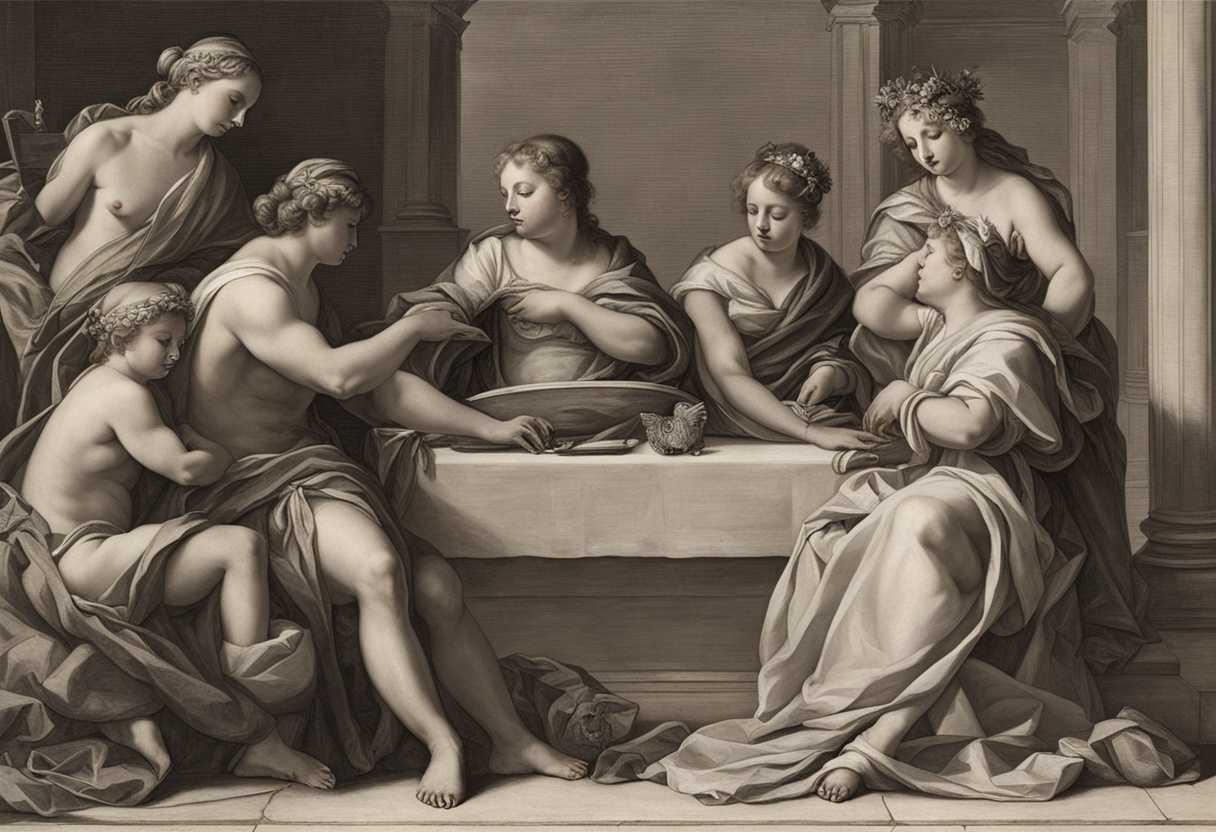
In the scene described in Leviticus 11:24-28, we find a group of Israelites gathered in the wilderness, surrounded by the vast expanse of sand and rocks. The sun beats down on them, casting long shadows as they listen intently to Moses, who stands before them holding a scroll. The group consists of men, women, and children, all dressed in simple robes and sandals, their faces reflecting a mixture of curiosity and reverence.
Moses begins to read from the scroll, his voice clear and authoritative, as he explains the laws of cleanliness and purity as outlined in Leviticus. He describes the various creatures that are considered unclean and impure, warning the people to avoid them to remain holy in the eyes of the Lord. The listeners nod in understanding, some taking notes on scraps of parchment, while others whisper to their neighbors, discussing the implications of these laws on their daily lives.
As the discussion continues, a sense of solemnity settles over the group, a recognition of the importance of following these laws to maintain their covenant with God. The scene is one of both instruction and reflection, as the Israelites grapple with the weight of these regulations and the responsibility they carry as the chosen people of God.
What is Leviticus 11:24-28 about?
The list of unclean animals in this verse serves as a guideline for the Israelites to follow dietary restrictions as a part of their religious beliefs. These restrictions helped to distinguish the Israelites from other cultures and fostered a sense of identity and obedience to the laws set by God. The Israelites were demonstrating their faithfulness and adherence to the principles outlined in the Bible by avoiding these specific unclean animals.
Have you ever thought about the significance of dietary restrictions in different cultures and religions? This verse sheds light on the importance of following specific guidelines as a way to show reverence and devotion to God. It prompts us to reflect on how ancient traditions and laws continue to influence practices and beliefs in modern times. Embracing these teachings can offer insights into the values, customs, and reverence that have been passed down through generations.
Understanding what Leviticus 11:24-28 really means
Leviticus 11:24-28 delves into the intricate laws of cleanliness and uncleanliness, particularly concerning animals. In the broader context of Leviticus, these regulations were vital for the Israelites to uphold ritual purity and distinguish between clean and unclean creatures, reflecting their covenant relationship with God. The passage underscores the significance of adhering to these distinctions to honor their commitment to God.
Within the scope of related passages, Leviticus 11:1-23 provides a comprehensive view of dietary laws, while Acts 10:9-16 showcases a pivotal moment in the New Testament where Peter’s vision signifies a shift in understanding regarding food laws. Mark 7:18-19, through Jesus’ teachings, emphasizes the essence of inner purity over external rituals, highlighting the transformative nature of spiritual cleanliness.
Although the specific dietary restrictions may not directly apply to Christians today, the underlying principle of maintaining holiness and separating from sin remains pertinent. This passage prompts us to be mindful of what we allow into our lives, urging us to discern both our physical and spiritual consumption. It serves as a reminder to be cautious about the influences we expose ourselves to, resonating with the call for discernment in our actions and relationships.
Consider a scenario where an individual meticulously monitors their diet to safeguard their health. Similarly, Leviticus 11:24-28 encourages us to be vigilant about what we intake spiritually. Just as unhealthy food can harm our bodies, negative influences can detrimentally impact our spiritual well-being, emphasizing the importance of guarding our hearts and minds.
The phrases within the passage, such as “You will make yourselves unclean by these,” underscore the immediate repercussions of interacting with unclean animals, emphasizing the need for vigilance and the consequences of our actions on our spiritual state. Furthermore, the instruction that “Anyone who picks up one of their carcasses must wash their clothes” highlights the process of purification and the transient nature of uncleanness, symbolizing repentance and restoration of purity.
In conclusion, Leviticus 11:24-28, while originating from ancient dietary laws, encapsulates timeless principles concerning purity, holiness, and the significance of discernment in our lives. By delving into the deeper meanings behind these laws, we can apply their principles to our spiritual journey, striving to lead lives that honor God and nurture our spiritual well-being.
How can we maintain spiritual purity in daily life?
To maintain spiritual purity in daily life as outlined in Leviticus 11:24-28, one must be vigilant about the choices they make in their everyday activities. It is essential to be mindful of what we consume, both physically and mentally, as these can have an impact on our spiritual well-being. We can strive towards maintaining purity in all aspects of our lives by avoiding that which is considered unclean or impure.
Additionally, incorporating regular spiritual practices such as prayer, meditation, and reading sacred texts can help to strengthen our connection to our faith and keep us grounded in our beliefs. Seeking guidance from spiritual leaders or joining a community of like-minded individuals can also provide support and encouragement in upholding spiritual purity in the midst of daily challenges. Cultivating a mindset of mindfulness and intentionality in all that we do can ultimately help us align our actions with our spiritual values. We can navigate the complexities of daily life with grace and integrity by making conscious choices that reflect our commitment to spiritual purity.
Application
Dear friend, let’s take a moment to consider how we can live in alignment with our faith every day. Just as we choose our priorities at work and in our families, let’s also prioritize what nourishes our souls and minds. Let’s commit to keeping our thoughts and actions pure and aligned with the teachings of God. Are you ready to take a step closer to God’s path today?

Reverend Michael Johnson is an experienced Church Minister with a profound expertise in spirituality and guidance. With a serene presence and a compassionate heart, he has faithfully served his congregation for over 20 years, leading them on a spiritual journey towards inner peace and enlightenment. Reverend Johnson’s extensive knowledge of religious philosophies and profound understanding of human nature have made him a trusted confidant and mentor to many, as he seamlessly weaves his profound wisdom into life teachings. Reverend Johnson’s calming demeanor and empathetic nature continue to uplift and heal souls, nurturing a sense of unity and tranquility within his community.