
Leviticus 11:3 is about distinguishing between clean and unclean animals for the Israelites to adhere to God’s laws and maintain spiritual purity.
3 Whatever parts the hoof and is cloven-footed and chews the cud, among the animals, you may eat.
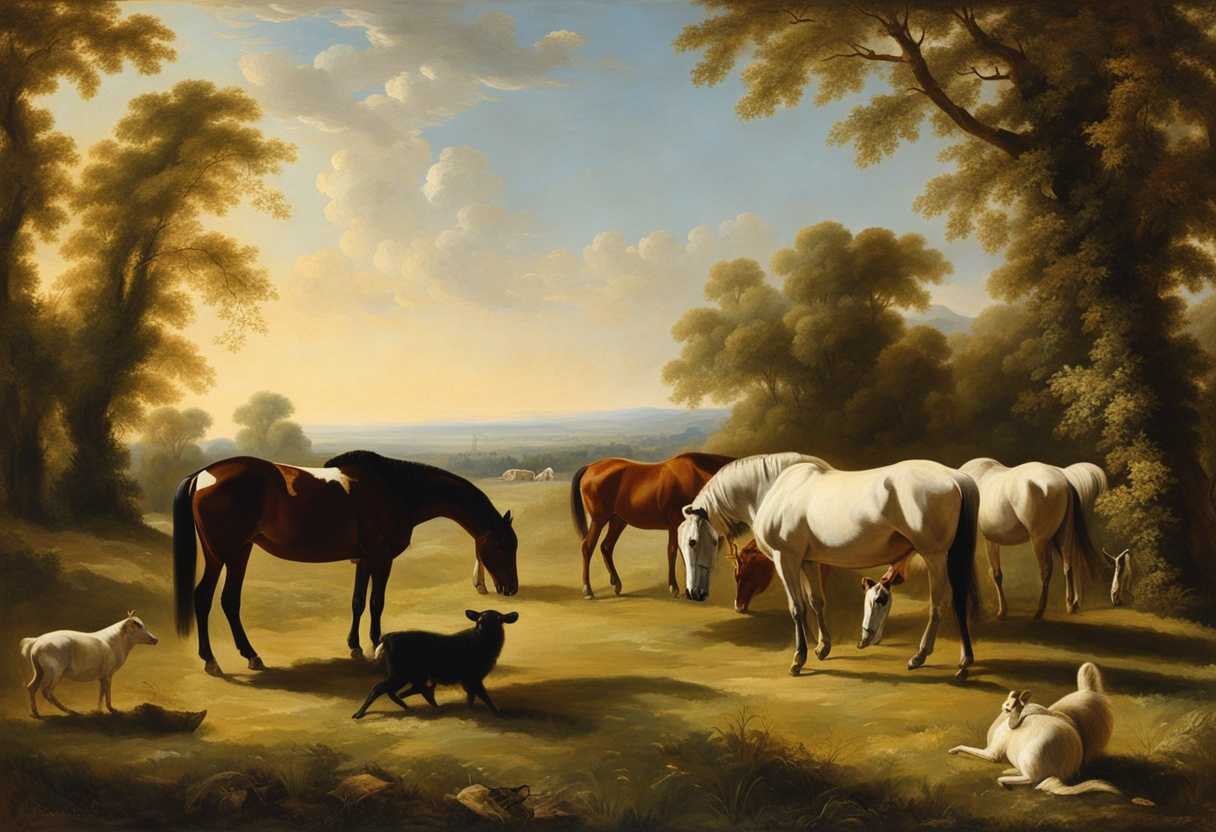
Setting the Scene for Leviticus 11:3
In Leviticus chapter 11, we find the Israelites in the wilderness after their exodus from Egypt. Moses, the leader chosen by God, has gathered the people at the foot of Mount Sinai to receive instructions on how to live in accordance with God’s laws. The scene is set against the backdrop of the vast desert, with the imposing mountain looming in the distance.
As the Israelites gather around Moses, he begins to explain the dietary laws outlined in Leviticus 11. He details which animals are considered clean and can be eaten, and which are unclean and should be avoided. The people listen intently, knowing that following these laws is essential for maintaining their purity and holiness before God.
Among the crowd are men, women, and children of all ages, eager to learn and obey the commandments given to them by God through Moses. The scene is filled with a sense of reverence and awe, as the Israelites understand the importance of following God’s laws to remain in His favor and fulfill their covenant with Him.
What is Leviticus 11:3 about?
The distinction between clean and unclean animals for consumption in this verse is not merely a list of dietary restrictions, but rather a lesson in obedience and trust in God’s wisdom. Why did God designate certain animals as clean and others as unclean? Perhaps to cultivate discipline and faithfulness in His people. The Israelites demonstrated their willingness to follow God’s commands and trust in His guidance, even in matters as seemingly insignificant as what to eat, by adhering to these dietary laws. The concept of clean and unclean animals serves as a symbolic reminder of the importance of purity and holiness before God. We are called to separate ourselves from sin and impurity in our lives, just as the Israelites were called to separate themselves from unclean animals. We demonstrate our commitment to living a life dedicated to God by obeying His laws and living in a manner pleasing to Him. Therefore, this verse serves as a reminder of the need for obedience, trust, and holiness in our relationship with God.
Understanding what Leviticus 11:3 really means
In Leviticus 11:3, we delve into the intricate dietary laws outlined for the Israelites, a crucial aspect of their identity as God’s chosen people. The verse specifies the characteristics of permissible animals for consumption, stating that they must “part the hoof, be cloven-footed, and chew the cud.” These criteria may seem peculiar to us today, but in the ancient Israelite culture, they held profound significance. The meticulous selection of animals reflected the Israelites’ obedience to God’s commands and their commitment to living a life of holiness set apart from other nations.
Deuteronomy 14:6 echoes the dietary laws laid out in Leviticus, underscoring their enduring importance in the Israelites’ daily lives. These regulations were not merely about food; they symbolized the Israelites’ covenant relationship with God, emphasizing the need for obedience and adherence to His standards. However, Acts 10:9-16 marks a pivotal moment when Peter’s vision signifies the lifting of these dietary restrictions, signifying the inclusion of Gentiles into the faith community.
While the specific dietary restrictions of Leviticus 11:3 may no longer apply to us today, the underlying principles of obedience, holiness, and being set apart for God remain relevant. Our choices, whether in diet or lifestyle, can still reflect our commitment to honoring God. Consider individuals who, like the Israelites, choose to live a life set apart for God, making ethical decisions that impact their communities positively. Their actions serve as a testament to the enduring call to live in a way that glorifies God.
The criteria of an animal that “parts the hoof and is cloven-footed” symbolizes being “divided” or “set apart,” reflecting the concept of holiness and separation from the world’s ways. Similarly, the act of an animal “chewing the cud” can be likened to meditating on God’s word, nourishing our spiritual lives through reflection and contemplation. Just as the Israelites were called to be mindful of what they consumed, we are encouraged to be intentional about how our choices align with our faith and dedication to God.
In conclusion, let us reflect on how we can live a life that is set apart for God in our modern context. May we strive for obedience, holiness, and a commitment to honoring God in all aspects of our lives. As we navigate our daily choices, may we seek to emulate the Israelites’ dedication to living in accordance with God’s will. Let us pray for the strength and wisdom to walk in obedience and holiness, following the example set before us by those who have gone before us in faith.
How can we discern between clean and unclean?
God lays out specific guidelines for the Israelites on what animals are considered clean and unclean for consumption in this verse. Clean animals are those that have split hooves and chew the cud, while unclean animals do not meet both of these criteria. The distinction between clean and unclean is based on physical characteristics of the animals, which serve as a clear guideline for the Israelites to follow. The Israelites could ensure that they were only consuming animals that were considered clean according to God’s instructions by following these guidelines. This served as a way for them to maintain purity and obedience to God’s commands. The clear criteria provided in the verse helped the Israelites discern between which animals were suitable for consumption and which ones were not, allowing them to align their actions with God’s will.
Application
Unlock the power of Leviticus 11:3 as your blueprint in this fast-paced life’s construction project. Let these divine instructions be the compass guiding your path in this digital family journey. Choose your daily menu not just with your appetite in mind, but with your spirit. Are you ready to synchronize your steps with His rhythm, even in the tiniest corners of your modern world?

Reverend Michael Johnson is an experienced Church Minister with a profound expertise in spirituality and guidance. With a serene presence and a compassionate heart, he has faithfully served his congregation for over 20 years, leading them on a spiritual journey towards inner peace and enlightenment. Reverend Johnson’s extensive knowledge of religious philosophies and profound understanding of human nature have made him a trusted confidant and mentor to many, as he seamlessly weaves his profound wisdom into life teachings. Reverend Johnson’s calming demeanor and empathetic nature continue to uplift and heal souls, nurturing a sense of unity and tranquility within his community.