
Leviticus 23:2 is about God instructing Moses to share with the Israelites the appointed feasts of the Lord, which are sacred assemblies to be proclaimed at their designated times.
2 “Speak to the people of Israel and say to them, These are the appointed feasts of the Lord that you shall proclaim as holy convocations; they are my appointed feasts.
Setting the Scene for Leviticus 23:2
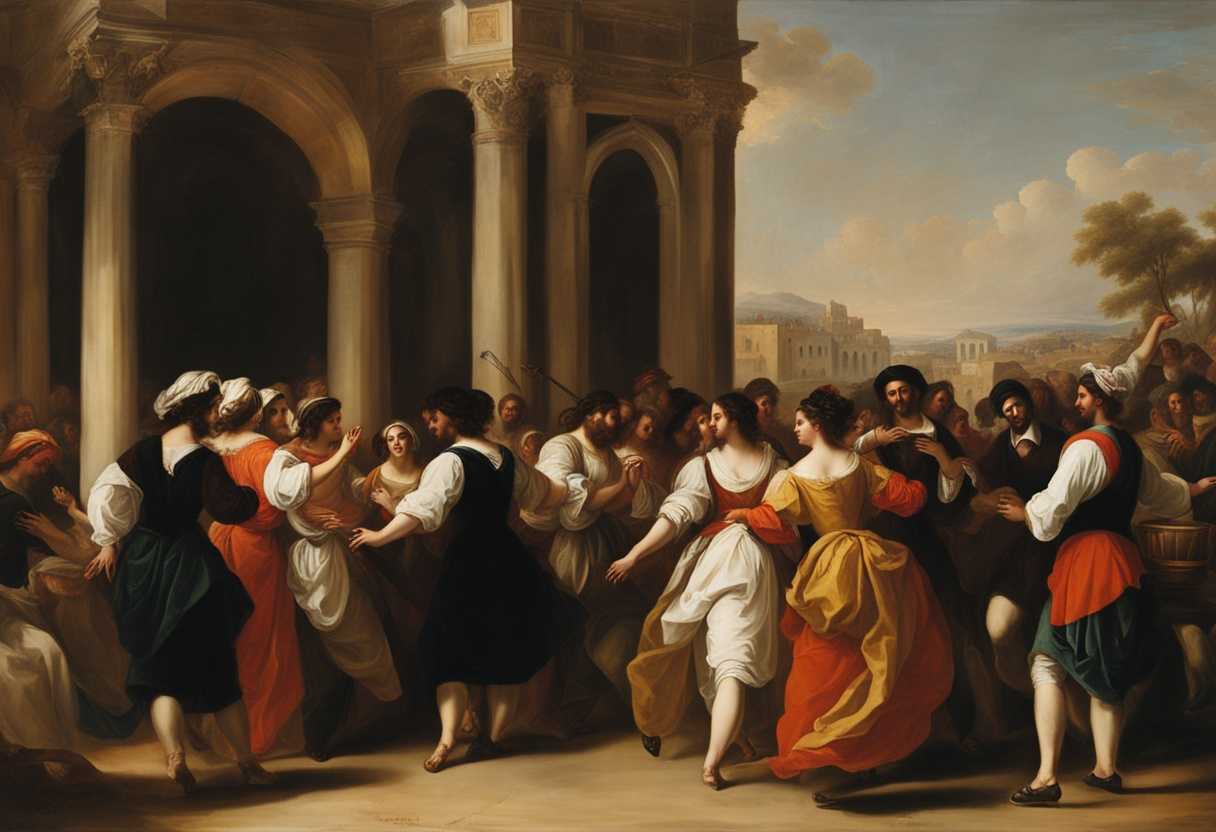
In Leviticus chapter 23, we find the scene set in the wilderness of Sinai, where the Israelites have been wandering after their exodus from Egypt. The Israelites have gathered together at the foot of Mount Sinai, where Moses has been receiving instructions from God regarding the various feasts and festivals they are to observe. The atmosphere is one of anticipation and reverence as the people await Moses’ return with the word of the Lord.
Among the crowd are Moses, Aaron, and other leaders of the Israelite community, along with men, women, and children of all ages. The elders are seated at the front, while the rest of the people stand or sit on the ground, eagerly listening to the words being spoken. The sun beats down on the desert landscape, casting a warm glow over the assembly as they prepare to receive the divine commandments regarding the appointed times and sacred assemblies.
As Moses begins to relay the instructions given to him by God, a hush falls over the crowd, and a sense of unity and purpose fills the air. The people are reminded of their covenant with the Lord and the importance of observing these feasts as a way to honor and remember Him. In this moment, the Israelites are bound together in their faith and commitment to following God’s laws, as they prepare to embark on this journey of obedience and worship.
What is Leviticus 23:2 about?
This verse emphasizes the significance of honoring and celebrating the appointed festivals that God has designated. These festivals serve as sacred gatherings where believers come together to commemorate and rejoice in the spiritual and cultural significance of these moments in the religious calendar. Individuals who proclaim these festivals at their appointed times are not only participating in practices ordained by God but are also strengthening their connection to their faith community and deepening their relationship with the divine.
Think about the importance of keeping traditions alive and demonstrating devotion to one’s faith through these designated celebrations. How do these festivals provide opportunities for spiritual growth and communal unity? Believers consider how these gatherings offer them a chance to reflect on their beliefs, express gratitude, and renew their commitment to their sacred traditions. We demonstrate our reverence for the divine and our dedication to upholding the values and teachings of our faith by actively participating in these festivals and making them a priority in our lives.
Understanding what Leviticus 23:2 really means
Leviticus 23:2 serves as a foundational directive from God to Moses, guiding the Israelites on the observance of sacred assemblies and festivals. This verse acts as a precursor to the detailed descriptions of the feasts and holy days that are outlined in the chapter. Leviticus, a book of laws and rituals given to the Israelites post their exodus from Egypt, lays down the appointed festivals and sacred times that the Israelites are to honor.
The phrase “Speak to the Israelites” underscores the communal nature of the message, emphasizing that these instructions are not solely for leaders or a select few but for the entire community to adhere to. “Appointed festivals” signify specific times designated by God for worship, reflection, and communal gathering. “Sacred assemblies” are not mere social events but are holy convocations intended for worship and reverence, highlighting the sanctity of these gatherings.
Related passages such as Exodus 12:14, Numbers 28:16-17, and Deuteronomy 16:16 further elucidate the significance and consistency of observing these festivals and appointed times. These passages emphasize the lasting ordinance of the Passover, the Feast of Unleavened Bread, and the importance of appearing before the Lord during these festivals, reinforcing the communal and sacred essence of these occasions.
In contemporary times, the observance of sacred times and festivals can aid modern believers in upholding a rhythm of worship and reflection in their lives. These practices foster a sense of community and shared faith, which is particularly vital in today’s often fragmented society. For instance, a family dedicating Sunday evenings to a special meal and prayer time mirrors a modern-day “sacred assembly,” enabling them to reconnect with each other and with God, akin to how the appointed festivals united the Israelites.
Leviticus 23:2 beckons believers to be intentional in their worship and community life. By allocating specific times for sacred assemblies, individuals can nurture a deeper relationship with God and with one another. In a world characterized by rapidity and busyness, these moments of pause and reflection hold even greater significance, offering a space for spiritual growth and communal bonding.
How can we honor and set aside holy time?
We can honor and set aside holy time by recognizing the importance of appointed times and seasons designated by God. These sacred moments, ordained by God, allow us to focus on spiritual growth, reflection, and connection with Him. We demonstrate our obedience, reverence, and commitment to God by observing these appointed times.
Setting aside holy time also involves dedicating ourselves to the Lord during these specific moments. It entails prioritizing spiritual practices such as prayer, worship, study of scripture, and acts of kindness and service. We cultivate a deeper relationship with God and align our hearts with His will and purpose for us by immersing ourselves in these sacred activities during holy times. We acknowledge the significance of these divine appointments in our spiritual journey by honoring and setting aside holy time. We create space for God to work in our lives and transform us from within by investing our time, energy, and focus on these designated periods. May we approach these holy times with reverence, joy, and a sincere desire to draw closer to our Heavenly Father.
Application
Let’s treat our spiritual practices like essential meetings in our busy work schedule. Just as we make time for our families, let’s ensure we carve out moments for prayer and reflection. Put God at the top of your priority list, giving Him the attention He deserves. How will you schedule that sacred time into your daily routine starting today?

Reverend Michael Johnson is an experienced Church Minister with a profound expertise in spirituality and guidance. With a serene presence and a compassionate heart, he has faithfully served his congregation for over 20 years, leading them on a spiritual journey towards inner peace and enlightenment. Reverend Johnson’s extensive knowledge of religious philosophies and profound understanding of human nature have made him a trusted confidant and mentor to many, as he seamlessly weaves his profound wisdom into life teachings. Reverend Johnson’s calming demeanor and empathetic nature continue to uplift and heal souls, nurturing a sense of unity and tranquility within his community.