
Leviticus 23:32 is about observing the Day of Atonement as a time for self-reflection, repentance, and seeking forgiveness for sins, emphasizing the importance of dedicating a solemn day to seeking reconciliation with God and others.
32 It shall be to you a Sabbath of solemn rest, and you shall afflict yourselves. On the ninth day of the month beginning at evening, from evening to evening shall you keep your Sabbath.”
Setting the Scene for Leviticus 23:32
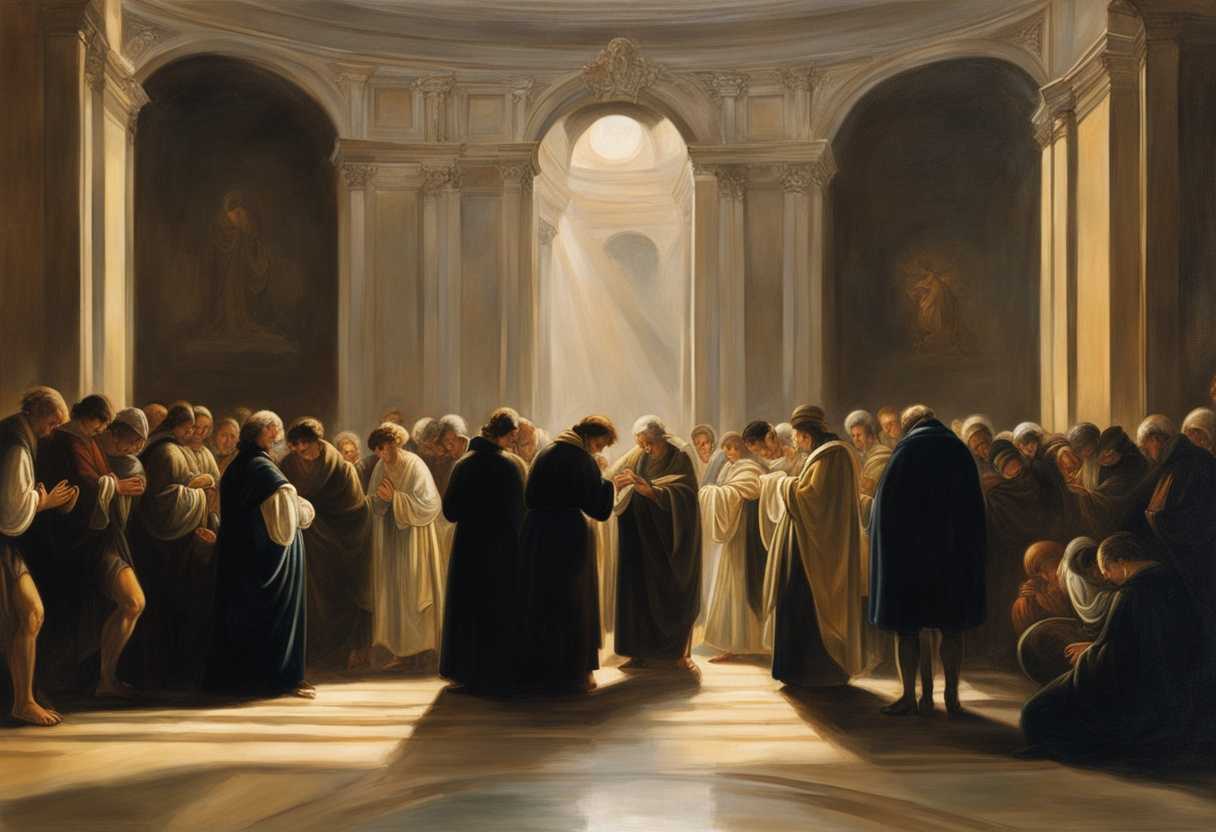
In Leviticus chapter 23, we find a scene set in the Israelite camp during the observance of the Day of Atonement, also known as Yom Kippur. The high priest, Aaron, along with his sons and other Levites, have been preparing for this solemn occasion for days. The camp is abuzz with anticipation as the people of Israel gather together in obedience to God’s command to afflict their souls and abstain from work on this holiest of days.
As the sun begins to set, casting a warm glow over the camp, the people make their way to the entrance of the Tabernacle. The air is filled with the scent of incense and the sound of prayers being lifted up to the heavens. Aaron, dressed in his sacred garments, stands before the altar, ready to perform the rituals of atonement on behalf of the entire nation. The people watch in reverent silence as he offers sacrifices and intercedes for their sins, seeking forgiveness and reconciliation with God.
As the final moments of the day slip away, a hush falls over the camp as the sun disappears below the horizon. The shofar sounds, signaling the end of the Day of Atonement. The people bow their heads in prayer, grateful for the opportunity to seek forgiveness and renewed relationship with their Creator. In this sacred moment, the Israelites are reminded of God’s mercy and grace, and the importance of repentance and reconciliation in their relationship with Him.
What is Leviticus 23:32 about?
Imagine a day specifically dedicated to reflecting on our actions and seeking forgiveness for any wrongdoings. The Day of Atonement, also known as Yom Kippur in the Jewish faith, captures this essence of self-reflection and reconciliation. It is a time when individuals fast and engage in prayer, aiming to make amends and seek forgiveness from both others and a higher power.
Picture yourself taking a moment to pause, to ponder on your own actions and the impact they have had on those around you. During this day, the focus is on introspection and the desire to strive for personal growth and spiritual renewal. It serves as a reminder of the importance of accountability, forgiveness, and the ability to start anew. Can you envision the powerful impact of setting aside time for self-examination and reconciliation, not only with others but within yourself as well? The observance of the Day of Atonement serves as a poignant reminder of the human capacity for reflection, growth, and forgiveness.
Understanding what Leviticus 23:32 really means
Leviticus 23:32, nestled within the rich tapestry of appointed festivals and holy days for the Israelites, shines a spotlight on the Day of Atonement, a profound occasion marked by solemnity and introspection. The verse underscores the significance of observing this day as “a sabbath of solemn rest,” urging a complete cessation from work and a deep dive into self-reflection. It beckons individuals to “afflict your souls,” a call to fast and engage in self-denial, a poignant reminder to ponder one’s transgressions and seek reconciliation.
The meticulous timing specified in Leviticus 23:32, from the ninth day of the month at evening to the following evening, underscores the precision required in honoring God’s decrees. This attention to detail serves as a reminder of the importance of obedience and reverence in carrying out sacred rituals. The verse encapsulates not just a temporal observance but a spiritual discipline that demands adherence and mindfulness.
Drawing parallels from related biblical passages like Isaiah 58:6-7 and Hebrews 9:11-12, we glean a broader understanding of the essence of fasting and atonement. These texts illuminate the deeper significance of rituals, emphasizing the intertwining of faith with acts of justice, kindness, and the ultimate atonement through Jesus Christ. They provide a bridge between the ancient practices of the Israelites and the spiritual truths that resonate across time and cultures.
In a world characterized by hustle and bustle, the timeless principles of rest, reflection, and repentance embedded in Leviticus 23:32 offer a beacon of light. Taking a pause from the frenetic pace of life to engage in introspection can lead to spiritual rejuvenation and personal growth. The concept of seeking forgiveness and making amends, central to the Day of Atonement, remains a cornerstone for nurturing healthy relationships and fostering inner peace.
Consider the narrative of a workaholic professional who, amidst the relentless grind, decides to heed the call for rest and reflection. This individual’s journey mirrors the transformative power of embracing balance and addressing neglected aspects of life. Similarly, embracing the spirit of Leviticus 23:32 can catalyze a profound shift, enabling individuals to reconnect with their faith, values, and purpose.
In conclusion, Leviticus 23:32 beckons us to carve out sacred moments for rest and introspection, essential ingredients for spiritual well-being. By internalizing the wisdom encapsulated in this verse, individuals can embark on a journey of self-discovery, forging deeper connections with the divine and with fellow beings. May we heed the call to pause, reflect, and seek atonement, embarking on a path of spiritual renewal and growth.
What does it mean to “afflict your souls”?
Afflicting your souls, as mentioned in Leviticus 23:32, refers to the act of showing remorse and humility before God. It involves self-denial and self-discipline, often through fasting, prayer, and repentance. Individuals acknowledge their sins and seek forgiveness by afflicting their souls, drawing closer to God through acts of contrition and submission.
This practice is commonly observed during times of repentance, such as on the Day of Atonement (Yom Kippur), where the Israelites were commanded to afflict their souls as a way of seeking forgiveness for their transgressions. It serves as a physical and spiritual reminder of one’s dependence on God and the need for inner reflection and purification. Individuals acknowledge their weaknesses and imperfections by afflicting their souls, expressing their desire to be cleansed and renewed in the sight of God. It is a way of demonstrating one’s sincerity in seeking forgiveness and reconciling with God, paving the way for spiritual growth and a deeper connection with the divine.
Application
Dear friend, it’s time to create a sanctuary in our busy lives, a sacred moment with the divine. Let’s step away from the chaos of the day and connect with our inner selves and the guiding light of the universe. Dedicate a slice of time for spiritual nourishment; it’s a necessity, not a luxury. Will you join me in this journey towards inner peace and spiritual abundance?

Reverend Michael Johnson is an experienced Church Minister with a profound expertise in spirituality and guidance. With a serene presence and a compassionate heart, he has faithfully served his congregation for over 20 years, leading them on a spiritual journey towards inner peace and enlightenment. Reverend Johnson’s extensive knowledge of religious philosophies and profound understanding of human nature have made him a trusted confidant and mentor to many, as he seamlessly weaves his profound wisdom into life teachings. Reverend Johnson’s calming demeanor and empathetic nature continue to uplift and heal souls, nurturing a sense of unity and tranquility within his community.