
Leviticus 26:31-33 is about the consequences and divine judgment that will befall the Israelites if they do not follow God’s commandments, leading to desolation, destruction, and exile from their land.
31 And I will lay your cities waste and will make your sanctuaries desolate, and I will not smell your pleasing aromas.
32 And I will devastate the land, so that your enemies who settle in it shall be appalled at it.
33 And I will scatter you among the nations, and I will unsheathe the sword after you, and your land shall be a desolation, and your cities shall be a waste.
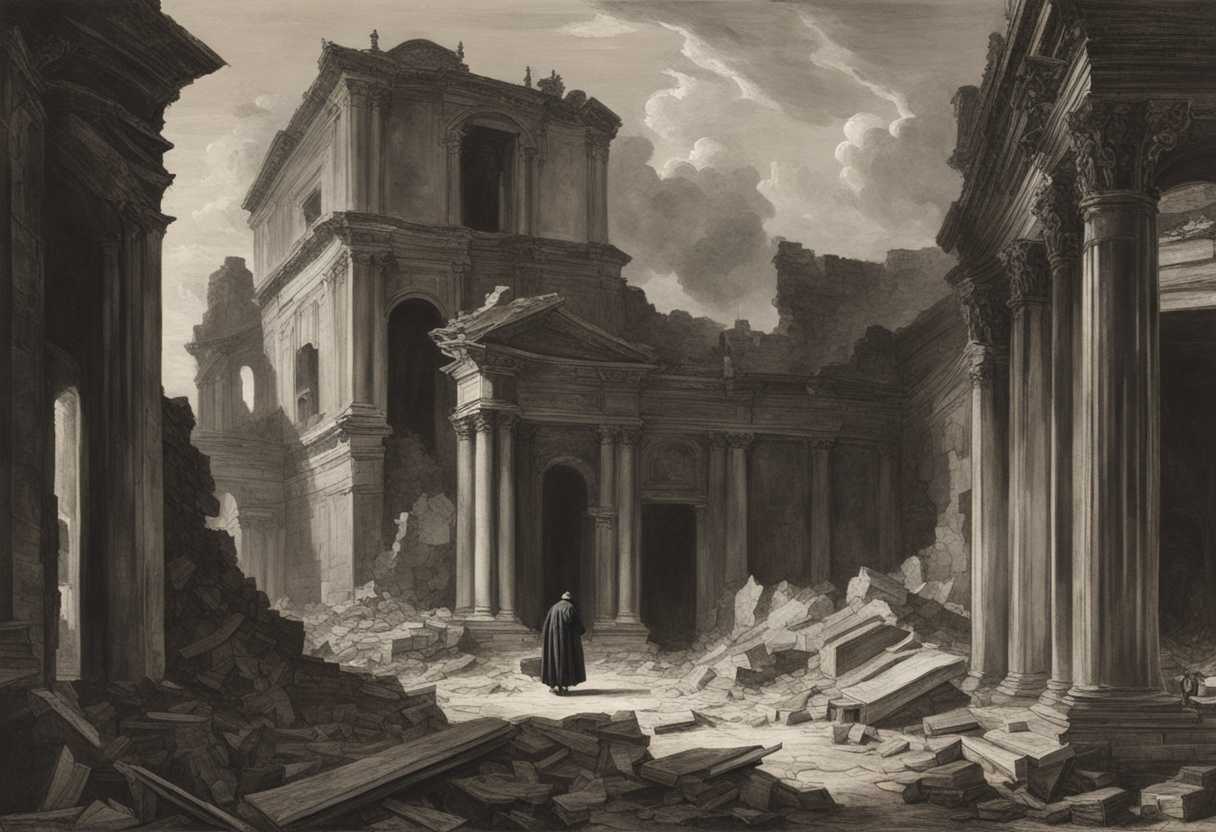
Setting the Scene for Leviticus 26:31-33
In the scene described in Leviticus 26:31-33, the setting is a desolate and abandoned land. The once bustling city now lies in ruins, with buildings crumbling and vegetation overgrown. The air is heavy with a sense of desolation and abandonment, as if the very land itself mourns the absence of its inhabitants.
The people who were once present in this city are nowhere to be seen. They have been scattered among the nations as a result of their disobedience to God’s commandments. The scene is a stark reminder of the consequences of turning away from God and breaking the covenant that was established with Him.
As the wind whispers through the ruins, one can almost hear the echoes of the warnings and promises that were once proclaimed in this place. The scene serves as a powerful lesson about the importance of faithfulness and obedience to God’s word, and the devastating consequences that can result from straying from His path.
What is Leviticus 26:31-33 about?
A divine warning about the consequences of turning away from God and disobeying His commands is seen in this verse. It is a powerful reminder of the importance of staying faithful and following the path that God has set for us. When we stray from His teachings and turn our backs on Him, we are at risk of experiencing desolation and being scattered among nations. This serves as a sobering lesson about the repercussions of abandoning our faith and rejecting the guidance of the divine. We reflect on this verse, prompting us to consider the implications of our actions and choices in relation to our faith and relationship with God. It challenges us to introspect and evaluate whether we are truly living in alignment with His will or if we have allowed distractions and temptations to lead us astray. The warning serves as a call to reexamine our faith, realign our priorities, and seek forgiveness and reconciliation with God if we have strayed. Let us heed this cautionary message and strive to remain steadfast in our devotion.
Understanding what Leviticus 26:31-33 really means
Leviticus 26:31-33 serves as a poignant reminder of the consequences that can befall a people when they stray from God’s commandments. The imagery painted in these verses is stark and unsettling, depicting a scenario where cities lie waste, sanctuaries are desolate, and the people are scattered among foreign nations. The language used here is not merely descriptive but carries profound symbolic weight, illustrating the spiritual desolation and loss of identity that accompany disobedience.
“I will make your cities waste” speaks to the utter devastation and abandonment of the places where communities once thrived. This destruction signifies not only physical ruin but also the breakdown of social bonds and the loss of security that comes with communal living. The desolation of sanctuaries, as mentioned in the text, goes beyond mere physical destruction; it represents a rupture in the relationship between the people and God. The desecration of places of worship symbolizes a spiritual emptiness and a severed connection with the divine.
“I will not smell the savor of your sweet odors” underscores the rejection of the people’s offerings by God. This rejection signifies a refusal to accept their attempts at reconciliation, highlighting the importance of genuine repentance and obedience in maintaining a relationship with the divine. The scattering of the Israelites among foreign nations further emphasizes the consequences of disobedience, leading to a loss of identity, unity, and homeland.
In contemporary times, these verses remain relevant as a cautionary tale for individuals and communities alike. They prompt us to reflect on the state of our own spiritual lives and communal bonds, urging us to prioritize faithfulness, worship, and unity. Just as neglect and disobedience led to desolation in ancient times, so too can a lack of spiritual diligence and community engagement have detrimental effects in our lives today.
Consider the analogy of a once-thriving town that falls into disrepair due to neglect. The bustling streets become deserted, and the sense of community fades away. This image mirrors the desolation described in Leviticus 26:31-33, illustrating how neglecting our spiritual and communal responsibilities can lead to ruin. It serves as a powerful reminder of the importance of nurturing our relationship with God and fostering strong community ties.
As we ponder these verses, let us examine our lives for areas where we may be neglecting our spiritual well-being or failing to uphold our communal responsibilities. Let us seek ways to strengthen our faith, deepen our connection with God, and actively contribute to the flourishing of our communities. May these words inspire us to pursue reconciliation with God and our fellow human beings, ensuring that our “cities” and “sanctuaries” remain vibrant, resilient, and filled with the life-giving presence of the divine.
How can we show humility and honor to God?
One way we can show humility and honor to God is by recognizing His authority and sovereignty over our lives. When we acknowledge that God is in control and submit to His will, we demonstrate humility by putting aside our own desires and accepting His plans for us. This act of surrender and obedience is a way of showing reverence and honor to God.
Additionally, demonstrating gratitude and thankfulness towards God is a powerful way to display humility and honor. We show that we recognize His goodness and generosity towards us by acknowledging God’s blessings in our lives and expressing appreciation for His provision. Gratitude is an essential aspect of a humble heart, as it shifts the focus from ourselves to God and acknowledges His central role in our lives.
Lastly, serving others with love and compassion is another way we can honor God and show humility. When we extend kindness, mercy, and support to those in need, we reflect the character of God and showcase His love in action. We demonstrate our commitment to following God’s example of selfless love and sacrificial service by humbling ourselves to serve others.
Application
Just as we adjust our course in a fast-paced world of deadlines and responsibilities, let us also recalibrate our souls towards divine purpose. Let’s set our spiritual compass to God’s true north, allowing His wisdom to illuminate our path. Are we ready to listen, adapt, and choose harmony over discord on our journey of faith?

Reverend Michael Johnson is an experienced Church Minister with a profound expertise in spirituality and guidance. With a serene presence and a compassionate heart, he has faithfully served his congregation for over 20 years, leading them on a spiritual journey towards inner peace and enlightenment. Reverend Johnson’s extensive knowledge of religious philosophies and profound understanding of human nature have made him a trusted confidant and mentor to many, as he seamlessly weaves his profound wisdom into life teachings. Reverend Johnson’s calming demeanor and empathetic nature continue to uplift and heal souls, nurturing a sense of unity and tranquility within his community.