
Leviticus 27:14-15 is about the valuation of a house or field when consecrated to the Lord, with the amount determined by the priest based on the number of years until the Jubilee.
14 “When a man dedicates his house as a holy gift to the Lord, the priest shall value it as either good or bad; as the priest values it, so it shall stand.
15 If the one who dedicates his house to the Lord wishes to redeem it, he shall add a fifth to the valuation price, and it shall be his.
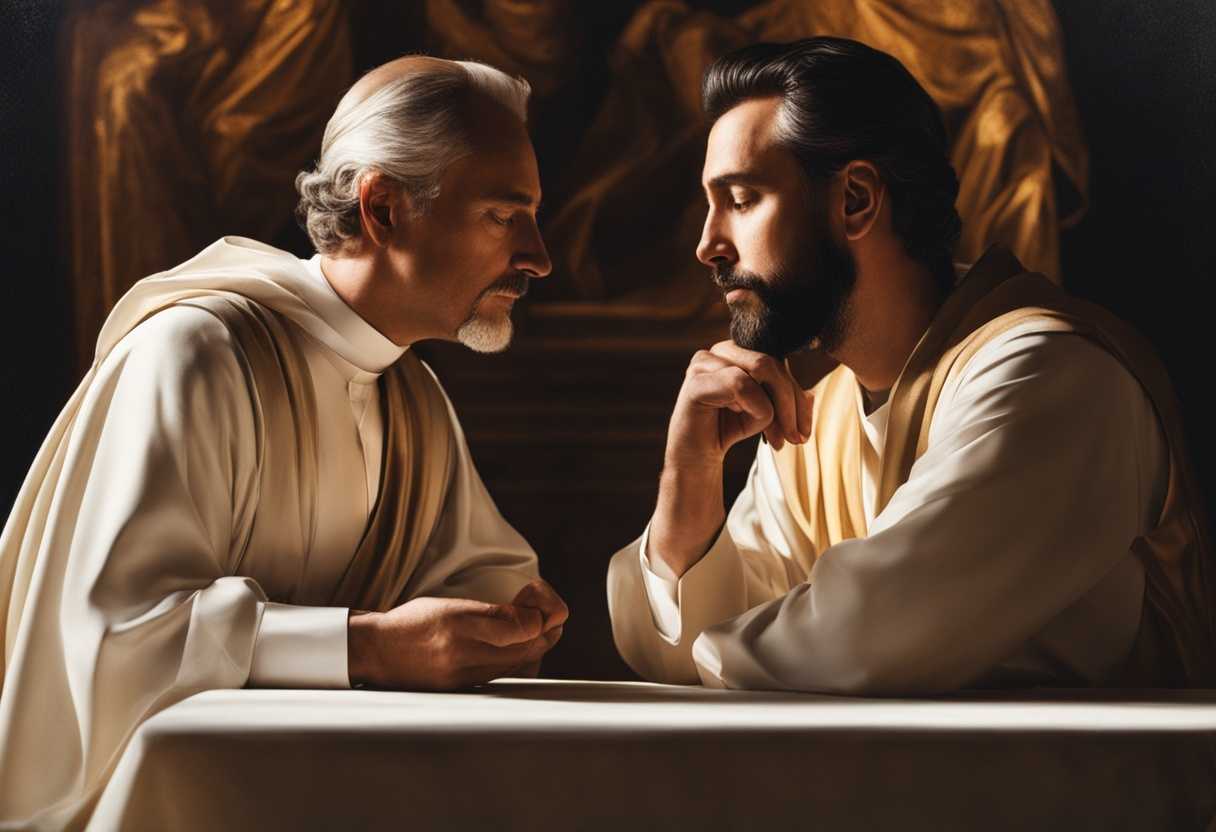
Setting the Scene for Leviticus 27:14-15
In the scene described in Leviticus 27:14-15, we find a group of Israelites gathered at the entrance of the tabernacle in the wilderness. The setting is one of reverence and solemnity, as the people have come to fulfill their vows to the Lord. Among them are individuals who have made pledges to dedicate a portion of their possessions to the service of God.
The group includes men and women of various ages, each carrying their offerings as prescribed by the law. Some bring livestock, while others present grains, fruits, or other valuable items. The atmosphere is filled with anticipation and devotion as the Israelites prepare to fulfill their commitments to the Lord.
Surrounding the tabernacle are the vast expanses of the desert, with the majestic presence of Mount Sinai looming in the distance. The scene is imbued with a sense of holiness and obedience to God’s commandments, as the Israelites demonstrate their faith and commitment through their offerings. It is a moment of spiritual significance and communal worship as the people come together to honor the Lord and fulfill their vows in accordance with the laws of Leviticus.
What is Leviticus 27:14-15 about?
Guidelines provided for valuing a house or field that has been dedicated to the Lord can be seen in Leviticus 27:14-15. This verse emphasizes the importance of recognizing the value of offerings made to God. It teaches us that when we dedicate something to the Lord, it holds a specific value that must be determined according to set standards. It showcases the symbolic significance of offerings and the need to honor them with respect and careful consideration.
Have you ever reflected on the concept of dedicating something to the Divine and the reverence it requires? This verse prompts us to think about the spiritual significance of our actions and how we assign value to them. It challenges us to evaluate our understanding of devotion and the weight we place on offerings made to God. We can deepen our connection to the sacred and learn to appreciate the worth of our spiritual commitments by following these guidelines.
Understanding what Leviticus 27:14-15 really means
Leviticus 27:14-15 delves into the dedication of a house to the Lord and the process of redeeming it, forming part of a broader discussion in Leviticus on vows and dedications to God. The Book of Leviticus serves as a manual for the Israelites, guiding them on leading a holy life and nurturing their relationship with God. These verses specifically underscore the sanctity of vows and the imperative of honoring them.
“If anyone dedicates their house as something holy to the Lord,” highlights the act of consecrating something valuable for God’s purposes. “The priest shall judge its quality as good or bad,” underscores the role of spiritual leaders in evaluating the sincerity and worth of offerings. “If the one who dedicates their house wishes to redeem it,” indicates the possibility of reclaiming a dedicated item, albeit at a cost. “They must add a fifth to its value,” symbolizes the gravity of making and retracting a vow.
In Numbers 30:2, we encounter a similar sentiment: “When a man makes a vow to the Lord… he must not break his word but must do everything he said.” Ecclesiastes 5:4-5 further emphasizes the importance of promptly fulfilling vows made to God. These passages collectively stress the significance of honoring commitments and promises made to the divine.
The timeless theme of dedication and commitment resonates in contemporary society, evident in how individuals allocate their time, resources, and skills to various endeavors. The notion of redeeming a dedicated item mirrors the weight of upholding promises and the repercussions of reneging on them. Consider a scenario where someone pledges to volunteer at a charity; as challenges arise, they must decide whether to honor their commitment or find alternative ways to fulfill their pledge, highlighting the essence of integrity in actions.
Leviticus 27:14-15 serves as a poignant reminder of the sanctity of vows and the necessity of upholding them. It prompts reflection on the gravity of our commitments to both God and others. In our daily interactions, these verses urge us to approach promises with mindfulness and integrity, recognizing the profound impact of our words and deeds.
How do we determine the value of consecrated items?
God establishes a set standard to determine the value of consecrated items in Leviticus 27:14-15. The value is not based on subjective judgments or fluctuating market prices, but on a clear, objective measure provided in the Law.
The value of consecrated items is directly linked to their purpose and significance within the context of worship and dedication to God. God emphasizes the importance of honoring Him with offerings that are of true worth and value, reflecting a genuine commitment and reverence by establishing a specific value for such items. The determination of the value of consecrated items ultimately reinforces the principles of stewardship, faithfulness, and sacredness in Israelite society. It serves as a reminder that these offerings are not simply material possessions, but symbolic representations of the people’s devotion and gratitude to God.
Application
Your contributions to the Lord are like the cornerstone of a skyscraper – vital and enduring, shaping the very fabric of your faith. Today, take a moment to evaluate the gifts you present to Him – are they truly reflective of your deepest devotion and respect? Let’s strive to offer Him the best of what we have, for He deserves nothing less. Will you take this opportunity to recommit yourself to Him wholeheartedly?

Reverend Michael Johnson is an experienced Church Minister with a profound expertise in spirituality and guidance. With a serene presence and a compassionate heart, he has faithfully served his congregation for over 20 years, leading them on a spiritual journey towards inner peace and enlightenment. Reverend Johnson’s extensive knowledge of religious philosophies and profound understanding of human nature have made him a trusted confidant and mentor to many, as he seamlessly weaves his profound wisdom into life teachings. Reverend Johnson’s calming demeanor and empathetic nature continue to uplift and heal souls, nurturing a sense of unity and tranquility within his community.