
Leviticus 9:10 is about the fulfillment of a sacrificial ritual by Aaron the high priest, showcasing the importance of obedience to God’s commands and the atonement for sin through blood.
10 But the fat and the kidneys and the long lobe of the liver from the sin offering he burned on the altar, as the Lord commanded Moses.
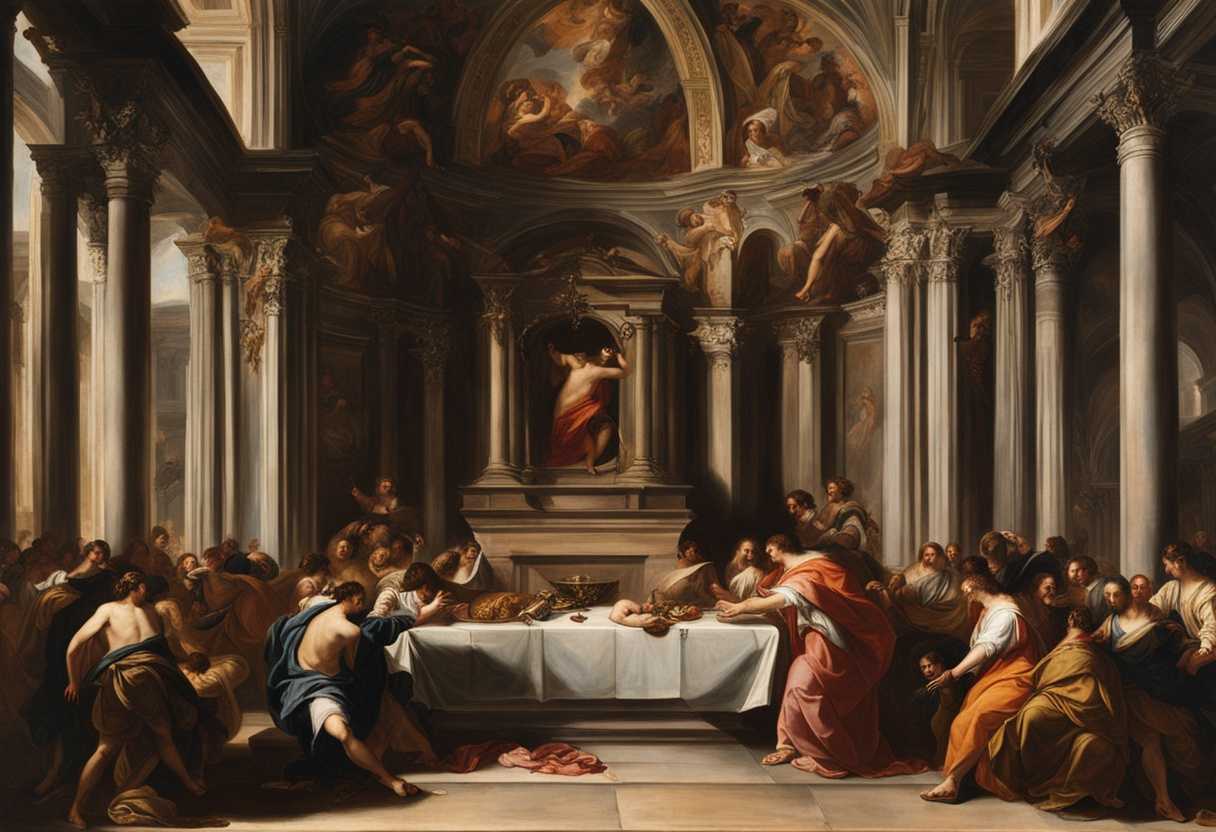
Setting the Scene for Leviticus 9:10
In Leviticus chapter 9, we find ourselves in the Tabernacle in the wilderness, a sacred space where the Israelites gathered to worship and offer sacrifices to God. The scene is filled with a sense of anticipation and reverence as Aaron, the high priest, prepares to make offerings on behalf of the people. The air is heavy with the scent of incense and burning offerings, creating a solemn atmosphere.
Aaron is joined by his sons, Nadab, Abihu, Eleazar, and Ithamar, who have been consecrated as priests to assist him in the sacred duties. They are dressed in their priestly garments, symbolizing their role as mediators between the people and God. The people of Israel have gathered outside the Tabernacle, eager to witness the rituals that will bring them closer to God and atone for their sins.
As Aaron follows the instructions given by God, he offers sacrifices of animals and grain, symbolizing the people’s dedication and gratitude to God. The fire on the altar blazes brightly, consuming the offerings and sending smoke spiraling up towards the heavens. The people watch in awe as God’s presence descends upon the Tabernacle, affirming His acceptance of their offerings and sealing the covenant between Him and His chosen people.
What is Leviticus 9:10 about?
Aaron, the high priest, follows the instructions given to him by Moses to present offerings to the Lord in Leviticus 9:10. This act symbolizes the obedience and reverence the Israelites were expected to show towards God in their worship practices. It highlights the importance of following divine instructions and rituals to maintain a close relationship with the Divine.
Have you ever thought about the significance of following religious traditions and guidelines in your own life? How does obedience and reverence play a role in your spiritual journey? This verse reminds us of the value of respecting and adhering to spiritual teachings and practices in order to deepen our connection with the sacred. We are called to uphold the traditions and commandments that guide us on our spiritual path, just as Aaron faithfully carried out the instructions of Moses.
Understanding what Leviticus 9:10 really means
Leviticus 9:10, nestled within the intricate tapestry of the Old Testament, specifically in the book of Leviticus, serves as a poignant reminder of the meticulous rituals and laws ordained for the Israelites. This verse finds its place in the consecration of Aaron and his sons as priests, delineating the offerings they are to present before the Almighty. It is a glimpse into the solemnity and precision with which the Israelites were to approach their worship and service to God.
In the broader context of Leviticus, this verse resonates with the overarching theme of obedience and reverence towards God. The meticulous instructions regarding the offerings underscore the importance of adhering to God’s commands with exactitude, reflecting a deep-seated respect for His authority. Just as Aaron and his sons were called to present the offerings as prescribed, we are reminded of the significance of obedience in our own lives, even amidst the complexities of modern-day living.
Drawing parallels to related passages such as Leviticus 1:9 and Hebrews 10:1-10, we discern a thread of continuity in the sacrificial system. While the Old Testament offerings symbolized atonement and dedication, the ultimate sacrifice of Jesus Christ, as expounded in Hebrews, fulfills and transcends these rituals. This progression underscores the profound love of God and the redemptive work accomplished through Christ, inviting us to contemplate the depth of His sacrifice on our behalf.
In contemplating the relevance of Leviticus 9:10 for contemporary believers, we are confronted with timeless truths that transcend the confines of ancient rituals. The call to obedience, the pursuit of holiness, and the symbolism of sacrifice echo through the corridors of time, beckoning us to a deeper understanding of our relationship with God. As we navigate the complexities of our daily lives, may we heed the call to offer our best to the Lord, surrendering ourselves wholly in dedication and reverence, just as the priests of old did in their offerings.
Consider the imagery of a meticulous chef preparing a grand feast for a momentous occasion. Every ingredient, every step, meticulously followed to honor the guests and the significance of the event. Similarly, the priests of old meticulously followed God’s instructions, not out of mere duty but out of reverence and a desire to honor the Almighty in their worship. This analogy underscores the importance of approaching our service to God with reverence, attention to detail, and a heart inclined towards obedience.
In dissecting phrases like “the fat and the kidneys,” “burned them on the altar,” and “as the Lord commanded Moses,” we unravel layers of symbolism and significance embedded in these ancient practices. The offering of the best parts of the animal symbolizes giving our utmost to God, while the act of burning them on the altar signifies complete dedication and surrender. The recurring refrain of obedience to God’s commands underscores the foundational principle of trust and reverence for His divine authority. Through these nuances, we glean profound insights into the principles of obedience, dedication, and reverence that transcend time and culture, resonating with believers across generations.
How can we dedicate ourselves more fully to God?
To dedicate ourselves more fully to God, we can strive to live a life in accordance with His will and commandments. This means being intentional in our thoughts, words, and actions, prioritizing prayer, studying His Word, and seeking to grow in our relationship with Him. We can align our lives more closely with His purposes for us by constantly seeking His guidance and allowing His Spirit to work within us.
Being dedicated to God also involves surrendering our own will and desires to His, trusting in His plans and timing even when they may not align with our own. This requires humility and a willingness to let go of control, allowing God to direct our paths and mold us into the person He created us to be. We can truly dedicate ourselves more fully to God in all aspects of our lives by constantly seeking His presence and submitting ourselves to His authority.
Application
Just like Aaron in Leviticus 9:10, may we faithfully honor God with our actions every day. Let’s bring our best selves to the “altar” of our modern lives – our work, our family, our community. Let us serve with sincerity and reverence, with a heart that truly wants to glorify God in all we do. How will you show your dedication and respect in your actions today?

Reverend Michael Johnson is an experienced Church Minister with a profound expertise in spirituality and guidance. With a serene presence and a compassionate heart, he has faithfully served his congregation for over 20 years, leading them on a spiritual journey towards inner peace and enlightenment. Reverend Johnson’s extensive knowledge of religious philosophies and profound understanding of human nature have made him a trusted confidant and mentor to many, as he seamlessly weaves his profound wisdom into life teachings. Reverend Johnson’s calming demeanor and empathetic nature continue to uplift and heal souls, nurturing a sense of unity and tranquility within his community.