
Luke 10:13 is about Jesus expressing sorrow and condemnation towards the cities of Chorazin and Bethsaida for their lack of repentance and acceptance of His teachings despite witnessing His miracles, indicating a message of accountability for rejecting divine guidance.
13 “Woe to you, Chorazin! Woe to you, Bethsaida! For if the mighty works done in you had been done in Tyre and Sidon, they would have repented long ago, sitting in sackcloth and ashes.”
Setting the Scene for Luke 10:13
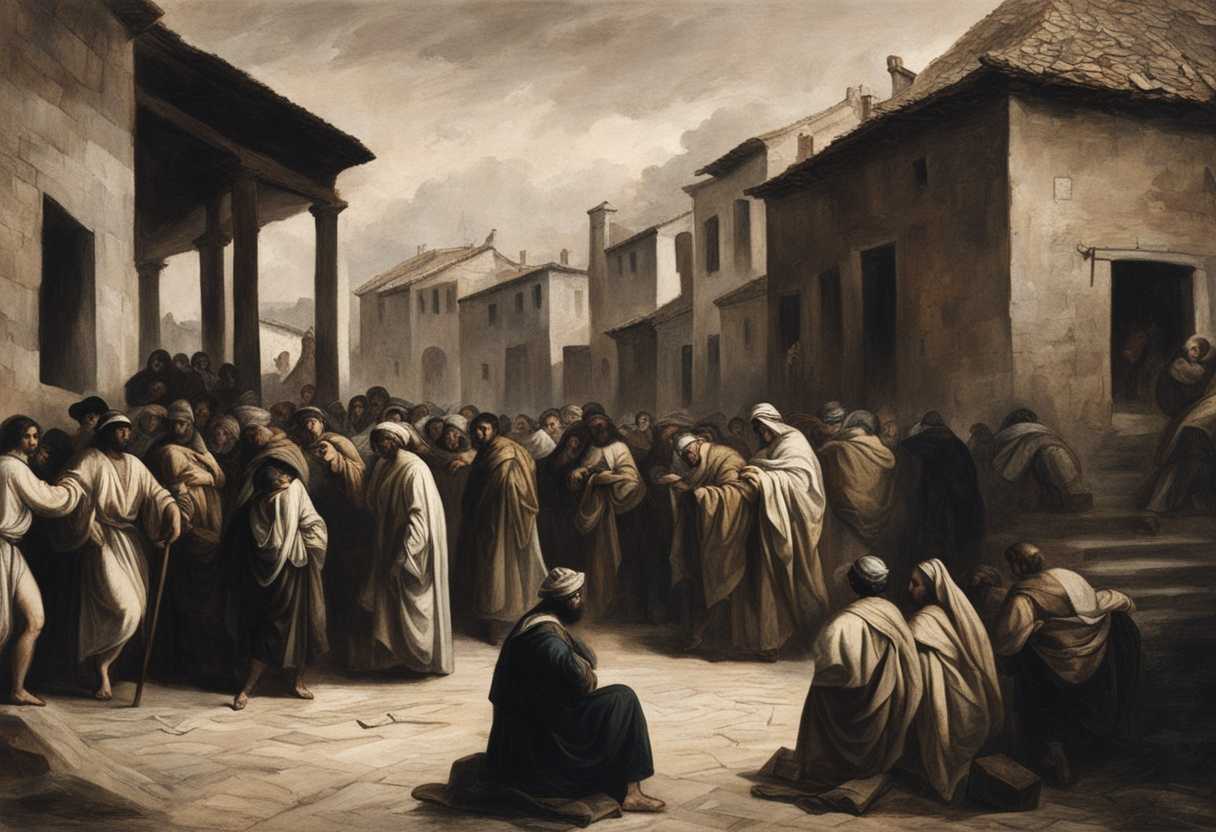
In Luke chapter 10, Jesus sends out seventy-two disciples ahead of Him to various towns and places He intended to visit. The scene unfolds in a small village on the outskirts of Galilee. The disciples, filled with anticipation and faith, have just arrived in the village after a long journey on foot. The dusty roads and humble dwellings of the village create a simple yet serene backdrop for the unfolding events.
Among the disciples are Simon, Andrew, James, John, and several others who have been following Jesus closely, learning from His teachings and witnessing His miracles. As they gather in the village square, Jesus stands before them, imparting final instructions and blessings before they embark on their mission to spread the good news of the kingdom of God. The disciples listen intently, their hearts stirred with a sense of purpose and urgency as they prepare to carry out the work entrusted to them by their beloved teacher.
The atmosphere is charged with a sense of divine presence and calling as Jesus commissions the disciples to go out as laborers into the harvest. The sun begins to set, casting a warm glow over the village as the disciples set out in pairs, filled with the power and authority given to them by Jesus. The scene is one of anticipation, faith, and obedience as the disciples step out in faith to fulfill their mission, knowing that they carry the message of hope and salvation to those they will encounter on their journey.
What is Luke 10:13 about?
This verse captures the profound warning of impending doom for those who stubbornly turn away and refuse to heed the divine message brought by God’s messengers. It serves as a stark reminder of the consequences of rejecting spiritual guidance and living in defiance of God’s will. The use of the word “woe” conveys a deep sense of sorrow and dismay at the fate that awaits those who remain unrepentant in their actions and beliefs.
Reflect on the gravity of this warning: What happens to a city that shuts its doors to the messengers of God? How does rejecting divine guidance contribute to spiritual peril and separation from the divine? You may be turning a blind eye to spiritual truths or messages in certain areas of your life. This verse serves as a poignant call to self-reflection and a reminder of the importance of remaining open to the guidance and wisdom offered by God’s messengers.
Understanding what Luke 10:13 really means
In Luke 10:13, Jesus delivers a poignant message of warning and sorrow to the cities of Chorazin and Bethsaida. These cities had witnessed His miracles and teachings, yet they remained unrepentant. This verse is part of a larger discourse where Jesus addresses the lack of response from these cities despite the clear signs of God’s presence among them. The context of this passage sheds light on the importance of recognizing God’s works and responding with repentance.
Drawing parallels with related passages such as Matthew 11:21-24, we see a consistent theme of unrepentance and the consequences that follow. The comparison with the repentance of Nineveh in Jonah 3:5-10 serves as a stark contrast, highlighting the power of turning back to God when faced with His warnings. These passages emphasize the timeless call to repentance that resonates with people today as much as it did with the cities of Chorazin and Bethsaida.
The phrase “Woe to you, Chorazin! Woe to you, Bethsaida!” carries a weight of sorrow and warning, underscoring the severity of their unrepentant hearts. It serves as a cautionary tale for any community or individual who witnesses God’s works yet remains indifferent. The comparison made with Tyre and Sidon, notorious for their wickedness, further accentuates the hardness of heart displayed by Chorazin and Bethsaida. The imagery of “sackcloth and ashes” symbolizes deep repentance and humility before God, contrasting with the pride and apathy of the mentioned cities.
Reflecting on the message of Luke 10:13 prompts us to consider our own responses to God’s signs and calls for repentance in our lives. Just as the cities were called to recognize and respond to God’s works, we are challenged to examine how we acknowledge and heed His presence in our daily lives. Ignoring spiritual warnings can have profound consequences, much like neglecting warnings about one’s health leading to eventual repercussions.
To apply the teachings of this verse, we can engage in practices that cultivate spiritual awareness and responsiveness to God’s works. Through prayer, reading Scripture, and participating in community worship, we can foster a heart of repentance and openness to God’s transformative power. By internalizing the gravity of Jesus’ words and embracing the call to repentance, we can align our lives more closely with God’s will and experience His grace in profound ways.
How can we respond to God’s warning calls?
We are called to heed His words and turn away from our sinful ways in response to God’s warning calls. We must take His warnings seriously and not ignore them, for they are given to us out of love and a desire for our well-being. Through repentance and seeking forgiveness, we can show our obedience to God and strive to live a life that is pleasing to Him.
Furthermore, we can respond to God’s warning calls by drawing closer to Him in prayer and seeking guidance through His word. We can experience true transformation and find refuge in His grace and mercy by cultivating a deeper relationship with God and aligning our lives with His will. We should not harden our hearts, but instead humble ourselves before God, acknowledge our faults and shortcomings, and surrender our lives to His perfect plan for us. Let us take heed of His warnings and walk in His ways, knowing that He is faithful to lead us on the path of righteousness.
Application
Life’s pressures can be overwhelming, like a never-ending to-do list. But just as you’d prioritize urgent tasks at work or family needs, it’s crucial to prioritize your relationship with God. Luke 10:13 reminds us that time is ticking, and ignoring God’s call has real consequences. Take a moment now to reflect and turn back to the Lord. Will you seize this opportunity to realign your life with God’s will today?

Reverend Michael Johnson is an experienced Church Minister with a profound expertise in spirituality and guidance. With a serene presence and a compassionate heart, he has faithfully served his congregation for over 20 years, leading them on a spiritual journey towards inner peace and enlightenment. Reverend Johnson’s extensive knowledge of religious philosophies and profound understanding of human nature have made him a trusted confidant and mentor to many, as he seamlessly weaves his profound wisdom into life teachings. Reverend Johnson’s calming demeanor and empathetic nature continue to uplift and heal souls, nurturing a sense of unity and tranquility within his community.