
Mark 11:29 is about Jesus challenging the religious leaders’ authority by questioning the source of John the Baptist’s authority, highlighting the importance of genuine faith and obedience to God over human traditions and institutions.
29 Jesus said to them, “I will ask you one question; answer me, and I will tell you by what authority I do these things.
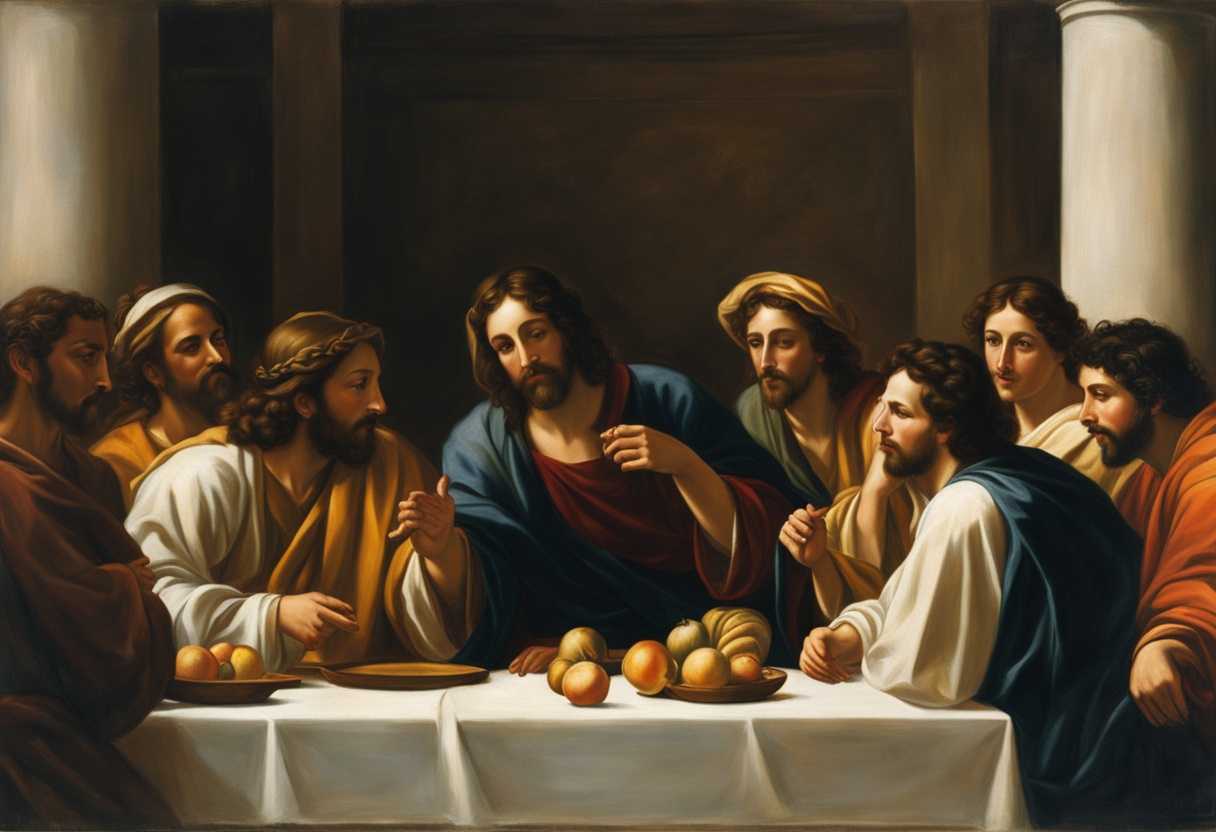
Setting the Scene for Mark 11:29
In Mark chapter 11, we find Jesus teaching in the temple in Jerusalem. The scene is bustling with activity as people from all walks of life gather to listen to His teachings. Among the crowd are the religious leaders, including the chief priests, scribes, and elders, who are skeptical of Jesus and question His authority.
As Jesus continues to teach, the religious leaders confront Him, demanding to know by what authority He is doing these things. They are trying to trap Him with their questions, hoping to discredit Him in front of the people. Jesus, in His wisdom, responds with a question of His own, asking them about the authority of John the Baptist. This exchange sets the stage for a tense and thought-provoking dialogue between Jesus and the religious leaders.
The setting is the magnificent temple in Jerusalem, with its grand architecture and bustling courtyards. The air is filled with the sounds of people talking, animals being sold for sacrifices, and the clinking of coins. The tension is palpable as Jesus stands firm in His responses, challenging the religious leaders to truly consider the source of His authority.
What is Mark 11:29 about?
Jesus boldly proclaims His divine identity as the Son of God in this powerful verse. Jesus challenges the religious leaders who are questioning his actions and teachings by asserting his authority. This statement reflects Jesus’ confidence in his mission and his undeniable connection to God the Father. He is essentially declaring that his authority comes directly from God, establishing himself as the ultimate source of truth and power.
Think about the implications of Jesus’ claim. How would the religious leaders have reacted to such a bold assertion of authority? What does this reveal about Jesus’ understanding of his own identity and purpose? We are called to reflect on our own beliefs and understanding of who Jesus is in our lives by acknowledging Jesus’ authority as the Son of God. This verse prompts us to recognize and accept the unique position that Jesus holds as our savior and the one who leads us to eternal life.
Understanding what Mark 11:29 really means
In Mark 11:29, we find Jesus being questioned by the religious leaders about His authority, a pivotal moment that sheds light on the dynamics of power and belief. The context is crucial here, as Jesus had just displayed His authority through cleansing the temple and cursing the fig tree, actions that showcased His divine power. This interrogation serves as a test of Jesus’ legitimacy and challenges the religious status quo of the time.
Parallel passages such as Matthew 21:23-27, John 2:18-22, and Luke 20:1-8 provide additional layers of understanding to the questioning of Jesus’ authority. These passages offer insights into the complexities of belief, power dynamics, and the wisdom of Jesus in navigating such challenges. They show us that questioning authority is not a new phenomenon and has been a recurring theme throughout history.
The relevance of this passage extends to contemporary society, where questioning authority is a common occurrence in various spheres of life. Whether in politics, religion, or personal relationships, the issue of authority remains a timeless and pertinent topic. As believers, we are called to discern and respect divine authority, even when faced with skepticism or doubt from others.
To illustrate the significance of this passage, consider a scenario where a young professional faces doubts about their qualifications in the workplace. Similar to Jesus, who faced questioning despite His divine authority, the young professional must stand firm in their identity and purpose, trusting in their abilities and staying true to their calling.
The phrase “I will ask you one question. Answer me, and I will tell you by what authority I am doing these things” encapsulates Jesus’ strategic response to the challenge posed to Him. Instead of directly answering, He prompts His challengers to reflect on their own motives and beliefs, revealing the hardness of their hearts. This teaches us the importance of wisdom and discernment in the face of challenges that question our integrity or purpose.
In our daily lives, we may encounter situations where our authority or decisions are doubted. This verse reminds us to respond with wisdom, understanding the deeper motives behind such challenges. It prompts us to seek and acknowledge divine authority in our lives, trusting in God’s wisdom that transcends human understanding. By contemplating this verse and its implications, we can learn how to navigate challenges to our authority and place our trust in God’s ultimate sovereignty over all things.
Is our authority derived from heaven or man?
Jesus was asked by what authority He was doing the things He was doing, and He responded by asking His questioners about the authority of John the Baptist. Through this interchange, Jesus was able to redirect the focus from Himself to the authority of John the Baptist as a prophetic messenger of God. Jesus was demonstrating that His authority was not derived from man, but from heaven. Jesus highlighted the heavenly origin of spiritual authority by asking about the authority of John the Baptist. This interaction serves as a reminder that true authority ultimately comes from God, who appoints individuals to carry out His divine purposes. Jesus was subtly indicating that his authority, like that of John the Baptist, came from a heavenly source and not from human approval or recognition. Jesus’s response in this verse emphasizes the importance of recognizing and acknowledging the heavenly origins of spiritual authority. It serves as a reminder that human authority is ultimately subordinate to and derived from the authority of God. Jesus’s response challenges us to consider the source of authority in our own lives and to align ourselves with the divine order of authority established by God in heaven.
Application
Think of your faith as a foundation—strong and unyielding, like the roots of a mighty tree. In the workplace and at home, doubts and challenges will come, but remember how Jesus stood firm when questioned. Your beliefs are your anchor in the storm. Will you let them guide you or let uncertainties sway you? Stand tall today; let your faith be your unshakable cornerstone.

Reverend Michael Johnson is an experienced Church Minister with a profound expertise in spirituality and guidance. With a serene presence and a compassionate heart, he has faithfully served his congregation for over 20 years, leading them on a spiritual journey towards inner peace and enlightenment. Reverend Johnson’s extensive knowledge of religious philosophies and profound understanding of human nature have made him a trusted confidant and mentor to many, as he seamlessly weaves his profound wisdom into life teachings. Reverend Johnson’s calming demeanor and empathetic nature continue to uplift and heal souls, nurturing a sense of unity and tranquility within his community.