
Mark 12:29-30 is about Jesus emphasizing the importance of loving God with all one’s heart, soul, mind, and strength, encapsulating the essence of true faith and devotion.
29 Jesus answered, “The most important is, ‘Hear, O Israel: The Lord our God, the Lord is one.
30 And you shall love the Lord your God with all your heart and with all your soul and with all your mind and with all your strength.
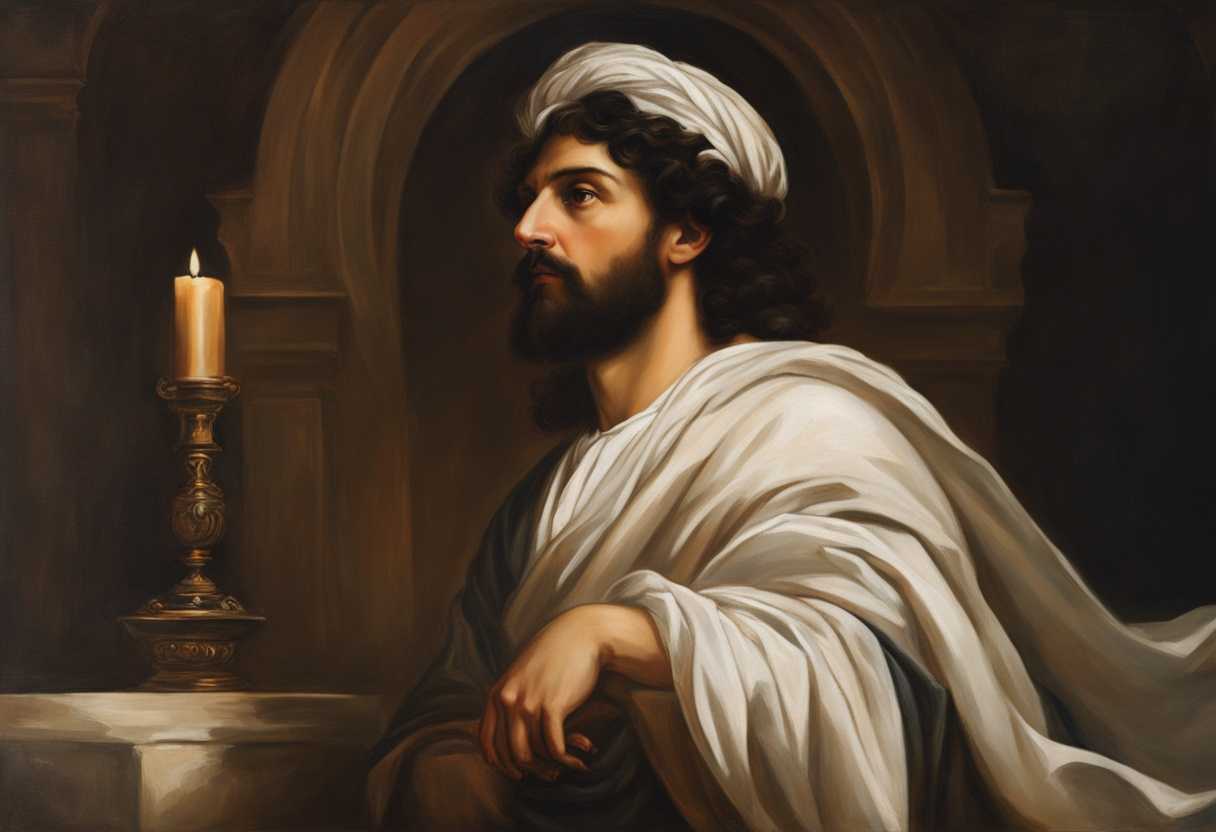
Setting the Scene for Mark 12:29-30
In Mark chapter 12, Jesus is engaged in a discussion with a scribe who asks Him about the greatest commandment. The scene takes place in the temple in Jerusalem, a bustling and sacred place filled with people from all walks of life. Jesus, a revered teacher, is surrounded by His disciples and a crowd of onlookers eager to hear His teachings.
The scribe, a learned individual well-versed in the Jewish law, approaches Jesus with a genuine question, seeking wisdom and insight. As the scribe and Jesus engage in dialogue, the atmosphere is charged with anticipation and curiosity. Jesus responds to the scribe’s question by quoting the Shema, the foundational prayer in Judaism affirming the oneness of God, emphasizing the importance of loving God with all one’s heart, soul, mind, and strength.
The exchange between Jesus and the scribe is a moment of profound teaching and reflection, highlighting the essence of faith and devotion. The temple setting provides a fitting backdrop for this theological discussion, underscoring the significance of the moment and the timeless truths being imparted.
What is Mark 12:29-30 about?
This verse, often referred to as the greatest commandment, encapsulates the idea of wholehearted devotion and commitment to God. When we are called to love God with all our heart, soul, mind, and strength, it goes beyond just surface-level emotions or actions. It is a call to align our entire being with God’s will and purpose.
Imagine if every thought, every decision, every action you took was rooted in your love for God. What would that look like in your daily life? How would it transform your relationships, your work, your interactions with others? Loving God with all your heart, soul, mind, and strength is a continual process of surrender and submission, allowing God to shape and mold every aspect of who we are.
So, as you reflect on this verse, consider how you can deepen your love for God in every area of your life. How can you engage your mind and heart in worship and study of His word? How can you honor Him with your actions and use your strength to serve others? May this commandment be a guiding principle that shapes your identity and fuels your passion for God.
Understanding what Mark 12:29-30 really means
In the Gospel of Mark, we encounter a pivotal moment where Jesus responds to a scribe’s inquiry about the most important commandment. This interaction holds profound significance as it delves into the core of Christian faith and practice. Jesus begins by affirming the foundational belief in monotheism, stating, “The Lord our God, the Lord is one.” This declaration underscores the unity and exclusivity of God, echoing the Shema from Deuteronomy 6:4, a central prayer in Jewish tradition that emphasizes devotion to the one true God.
Furthermore, Jesus instructs us to “Love the Lord your God,” calling for a deep and personal relationship characterized by active and committed love. This love is not merely a sentiment but a call to engage our entire being in devotion to God. The command to love God with all our heart, soul, mind, and strength encompasses every aspect of our existence. Our emotions, spiritual essence, intellect, and physical efforts are all to be directed towards loving God wholeheartedly.
This passage finds resonance in other biblical texts, such as Deuteronomy 6:4-5, which underscores the continuity between the Old and New Testaments in emphasizing the primacy of loving God. In Matthew 22:37-40, Jesus expands on this commandment by including the directive to love our neighbors as ourselves, highlighting the interconnectedness of loving God and loving others. Additionally, 1 John 4:19 reminds us that our capacity to love God stems from His initial love for us, underscoring the source of our devotion.
The relevance of this commandment extends to contemporary believers, urging them to integrate their faith into every facet of their lives. In a culture that often prioritizes self-centeredness, loving God with our entire being stands as a counter-cultural call to selfless devotion. This commandment serves as a foundational principle for ethical conduct, as loving God wholly naturally leads to genuine love and compassion towards others, forming the bedrock of moral behavior.
Consider the analogy of a person deeply in love, whose thoughts, actions, and priorities are shaped by their affection for another. Similarly, our love for God should permeate every aspect of our lives, transforming our attitudes, decisions, and interactions. Just as a loving relationship influences a person’s behavior, our love for God should catalyze a profound change in how we live out our faith.
In conclusion, the commandment to love God with all our being challenges us to assess the depth of our devotion and the alignment of our lives with this paramount directive. By prioritizing our relationship with God above all else, we find the inspiration and strength to authentically love others and embody our faith in tangible ways. This call to holistic love and devotion to God remains a timeless and foundational tenet of Christian faith, shaping our identity and guiding our actions.
How can we love God with all our hearts?
We can love God with all our hearts by recognizing and understanding who He is, and acknowledging Him as the one true God. This involves having a genuine belief in His existence and sovereignty, and being fully devoted to Him in all aspects of our lives. It means prioritizing our relationship with Him above all else, seeking to know Him more deeply, and honoring Him with our thoughts, words, and actions.
Loving God with all our hearts also means submitting ourselves completely to His will and following His commandments with sincerity and obedience. This requires a daily commitment to walking in His ways, striving to please Him in everything we do, and allowing His love to fill and transform our hearts. It involves cultivating a deep and intimate connection with God through prayer, worship, and seeking His presence consistently, so that our love for Him grows stronger and more steadfast each day. Loving God with all our hearts is a total and wholehearted devotion that flows from a genuine love and reverence for Him. It is a continuous process of surrendering our will to His, allowing Him to be the center of our lives, and living in a way that reflects His love and grace to those around us. We demonstrate our devotion and commitment to God by cultivating a deep, heartfelt love for Him and seeking to honor Him in every area of our lives, fulfilling the greatest commandment to love the Lord our God with all our heart.
Application
Imagine balancing work and family—always striving for that perfect harmony. Now, picture God as the core of that balance, the anchor holding everything steady. As you think about Mark 12:29-30, let it drive you to recalibrate your focus. Make loving God your top priority, just like you would your closest family or most crucial deadline. What small step will you take today to show your dedication?

Reverend Michael Johnson is an experienced Church Minister with a profound expertise in spirituality and guidance. With a serene presence and a compassionate heart, he has faithfully served his congregation for over 20 years, leading them on a spiritual journey towards inner peace and enlightenment. Reverend Johnson’s extensive knowledge of religious philosophies and profound understanding of human nature have made him a trusted confidant and mentor to many, as he seamlessly weaves his profound wisdom into life teachings. Reverend Johnson’s calming demeanor and empathetic nature continue to uplift and heal souls, nurturing a sense of unity and tranquility within his community.