
Matthew 18:5-6 is about the importance of caring for and nurturing those who are vulnerable and innocent, cautioning against causing harm or leading them astray.
5 “Whoever receives one such child in my name receives me,
6 but whoever causes one of these little ones who believe in me to sin, it would be better for him to have a great millstone fastened around his neck and to be drowned in the depth of the sea.
Setting the Scene for Matthew 18:5-6
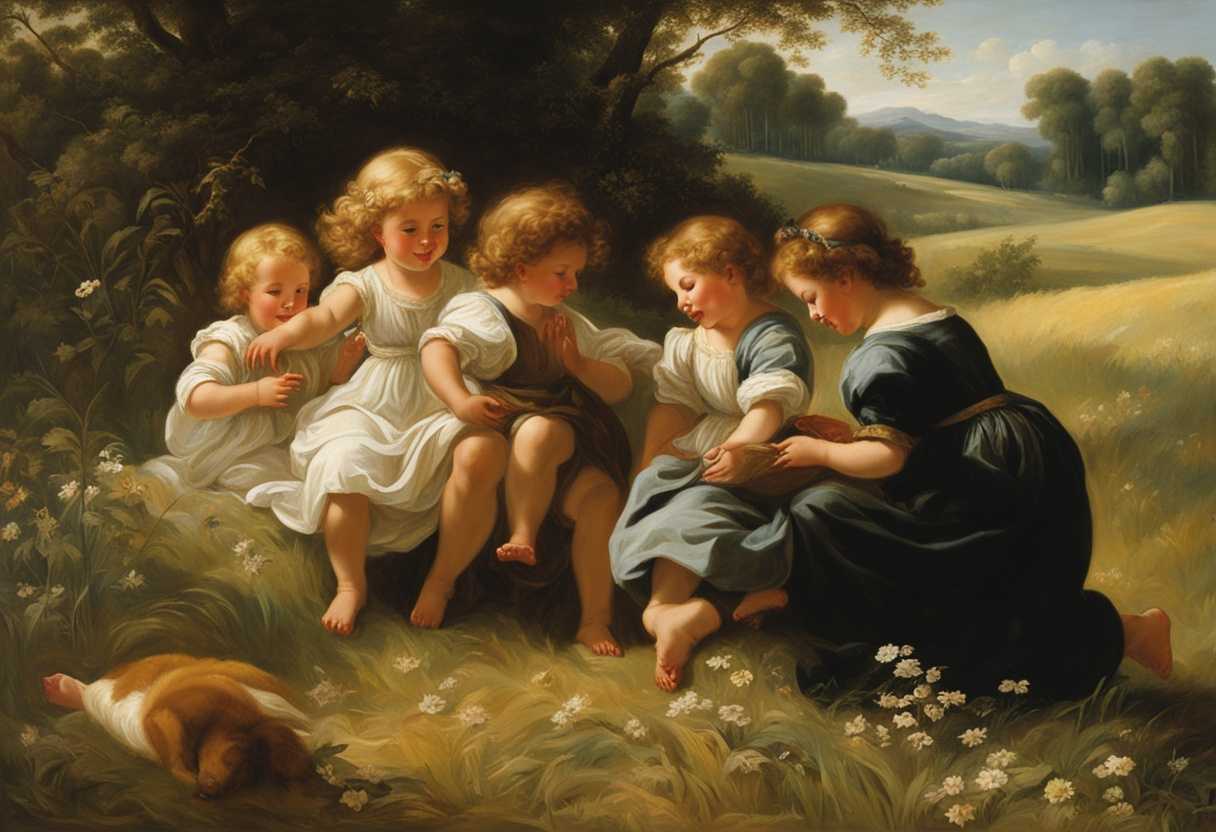
In Matthew chapter 18, Jesus is surrounded by a crowd of people, including his disciples and some children who have gathered to listen to his teachings. The scene takes place on a grassy hillside overlooking the Sea of Galilee, with the sun setting in the distance, casting a warm golden light over the group. The disciples are seated around Jesus, eager to learn from him, while the children play nearby, their laughter filling the air.
As Jesus begins to speak, he gestures towards the children and says, “Whoever receives one such child in my name receives me, but whoever causes one of these little ones who believe in me to sin, it would be better for him to have a great millstone fastened around his neck and to be drowned in the depth of the sea.” His words carry a weight of seriousness, emphasizing the importance of caring for and protecting the innocence of children in the eyes of God.
The disciples listen intently, their hearts stirred by Jesus’ words as they realize the gravity of their responsibility to nurture and guide the younger members of their community. The scene is filled with a sense of reverence and awe as Jesus imparts this crucial lesson on humility and the value of every individual in the eyes of God.
What is Matthew 18:5-6 about?
Hey there! Jesus is highlighting the importance of protecting and nurturing the faith of innocent believers in this verse. Jesus underscores the profound responsibility we have towards those who are new to the faith or seeking spiritual guidance by cautioning against causing harm or leading them astray. The innocence of these believers signifies their vulnerability and need for guidance that aligns with the teachings of Jesus.
Imagine guiding a child through a crowded marketplace – you would take extra care to ensure their safety and wellbeing. Similarly, Jesus is urging us to be vigilant and mindful of the impact our words and actions may have on the faith of innocent believers. Leading them astray not only harms them but also undermines the trust and integrity of the faith community as a whole. Let’s remember to uphold the values of compassion, integrity, and love in our interactions with others, especially those who are still learning and growing in their faith.
Understanding what Matthew 18:5-6 really means
In Matthew 18:5-6, part of Jesus’ teaching on humility and the value of children in the Kingdom of Heaven, we are reminded of the significance of welcoming and protecting the innocent and vulnerable. Jesus emphasizes that “Whoever welcomes one such child in my name welcomes me,” highlighting the importance of treating children, and by extension, the vulnerable and innocent, with kindness and respect. This phrase underscores the idea that our actions towards the least among us are actions towards Jesus Himself. It challenges us to see the divine worth in every individual, especially those society may overlook.
When Jesus warns, “If anyone causes one of these little ones—those who believe in me—to stumble,” He is cautioning against leading others into sin or causing them to lose faith. This responsibility is severe, especially when it comes to guiding and nurturing the faith of the young and impressionable. The imagery of having a large millstone hung around one’s neck and being drowned in the depths of the sea vividly illustrates the gravity of leading others astray. It reflects the seriousness with which God views the harm done to the innocent and vulnerable.
In Mark 9:42 and Luke 17:2, we find parallel passages that reinforce the severe consequences of causing others to stumble. These passages echo the warning against leading others into sin and emphasize the accountability we have in our interactions with fellow believers. Additionally, Matthew 25:40 further supports the idea that our treatment of the vulnerable is a direct reflection of our treatment of Jesus. It underscores the interconnectedness of our actions towards others and our relationship with God.
Today, this teaching remains relevant as it calls us to be mindful of our influence on others, especially children and new believers. In a world where negative influences can easily lead the vulnerable astray, creating a nurturing and supportive environment in our communities, churches, and families is crucial. We are reminded of the impact we can have on shaping the faith and well-being of those around us, urging us to be positive role models and sources of guidance and support.
Reflecting on stories of teachers or mentors who positively influenced children’s lives or situations where negative influences led to harmful consequences can help us grasp the importance of our actions. By welcoming and nurturing the young and vulnerable, we embody the love and care that Jesus calls us to show. Let us heed the call to be mindful of our influence, to protect the innocent, and to support those in need. May we strive to create environments where all are valued, respected, and guided towards the light of faith and love.
How can we protect and nurture the faith of others?
We can protect and nurture the faith of others by treating them with kindness, love, and respect, as mentioned in this verse. We can create a safe and encouraging environment for their faith to grow by welcoming others in the name of Christ and caring for them as we would for Jesus himself. We should also be mindful of not doing anything that could cause others to stumble in their faith. This includes avoiding actions or words that could lead someone away from their beliefs or cause them to doubt.
It is important to remember that our actions and behaviors have a significant impact on those around us, especially in matters of faith. We can help protect and nurture their faith by being aware of how we treat others and actively supporting and encouraging them in their spiritual journey. This verse reminds us of the importance of our role in building up the faith of those around us and the responsibility we have to care for one another in Christ-like love.
Application
Every child in our midst is a seed with the potential to grow into a mighty tree. Like a gardener tending to delicate sprouts, we must nurture and protect their young faith. Think about how you influence young hearts in your daily life — at home, at work, and within your community. Are you creating a space where they feel loved and supported? Are you guiding them towards a brighter future? As you go about your busy day, ask yourself: are you helping their faith flourish or inadvertently casting shadows?

Reverend Michael Johnson is an experienced Church Minister with a profound expertise in spirituality and guidance. With a serene presence and a compassionate heart, he has faithfully served his congregation for over 20 years, leading them on a spiritual journey towards inner peace and enlightenment. Reverend Johnson’s extensive knowledge of religious philosophies and profound understanding of human nature have made him a trusted confidant and mentor to many, as he seamlessly weaves his profound wisdom into life teachings. Reverend Johnson’s calming demeanor and empathetic nature continue to uplift and heal souls, nurturing a sense of unity and tranquility within his community.