
Matthew 5:23-26 is about the importance of reconciliation and resolving conflicts with others before presenting offerings to God, emphasizing the value of forgiveness and unity within the community of believers.
23 So if you are offering your gift at the altar and there remember that your brother has something against you,
24 leave your gift there before the altar and go. First be reconciled to your brother, and then come and offer your gift.
25 Come to terms quickly with your accuser while you are going with him to court, lest your accuser hand you over to the judge, and the judge to the guard, and you be put in prison.
26 truly, I say to you, you will never get out until you have paid the last penny.
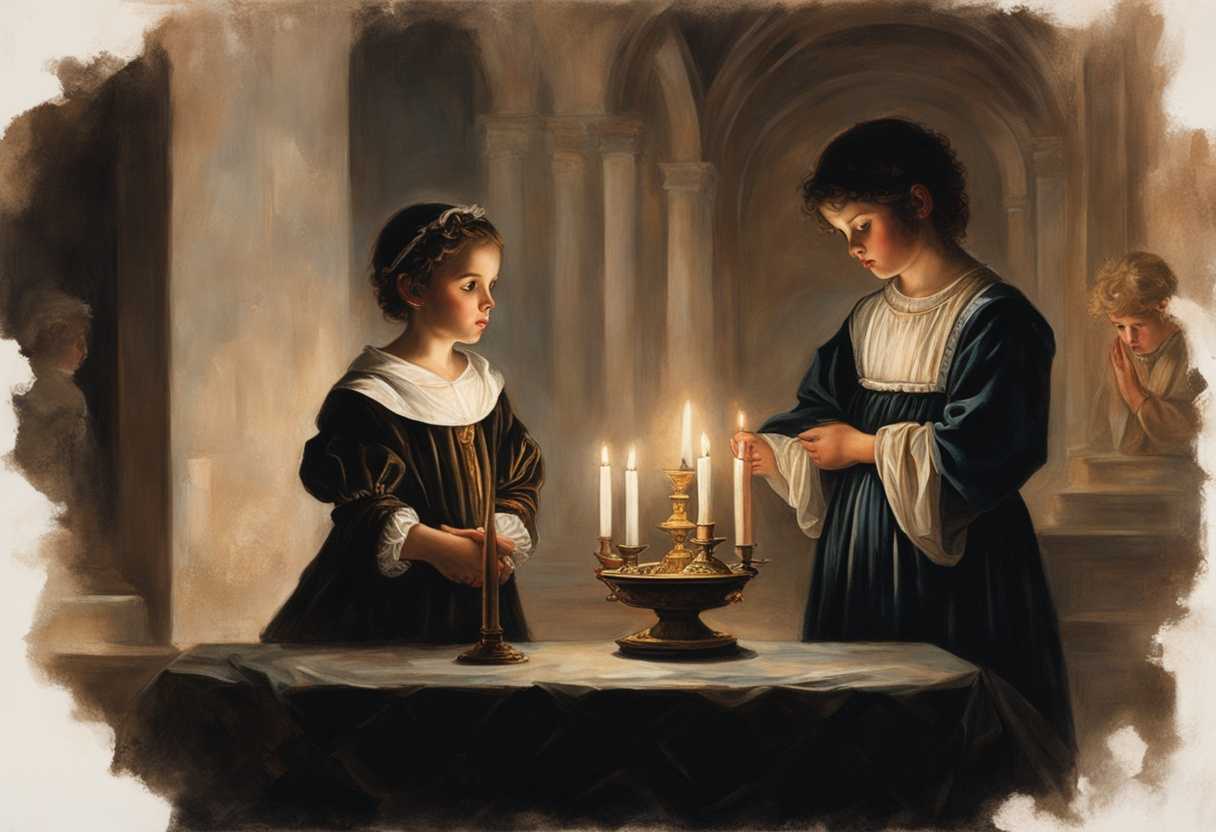
Setting the Scene for Matthew 5:23-26
In Matthew chapter 5, Jesus is delivering the Sermon on the Mount, a pivotal moment in his ministry where he imparts important teachings to his disciples and a large crowd gathered on a mountainside. The scene is serene, with the gentle breeze carrying the sound of Jesus’ voice as he speaks with authority and wisdom. The crowd is a mix of people from various walks of life, including fishermen, tax collectors, and ordinary citizens who have come to hear the renowned teacher.
Among the listeners are also the disciples, who have been following Jesus closely and witnessing his miracles and teachings. They are seated near Jesus, absorbing his words and pondering their significance. The atmosphere is charged with anticipation and reverence as Jesus imparts profound truths about the kingdom of God and the principles of righteous living. The setting sun casts a warm glow over the gathering, creating a sense of peace and tranquility that envelops the listeners as they hang on every word spoken by their beloved teacher.
What is Matthew 5:23-26 about?
This verse from the Bible emphasizes the importance of resolving conflicts and seeking reconciliation with others before engaging in acts of worship or offering gifts to God. It underscores the idea that our relationships with others and the way we treat them are fundamental to our spiritual practice. Jesus is calling us to prioritize making peace and resolving conflicts in our relationships before engaging in religious rituals or practices.
Think about it this way: how can we truly connect with God and worship Him fully if there is unresolved tension or conflict in our relationships with others? Jesus is reminding us that our actions and attitudes towards others reflect our devotion to God. By prioritizing reconciliation and peace-making, we mend broken relationships and deepen our connection with the divine. This verse challenges us to examine our hearts and prioritize love, forgiveness, and reconciliation in our interactions with others, recognizing that these are integral to our spiritual life and worship.
Understanding what Matthew 5:23-26 really means
In the Sermon on the Mount, Jesus imparts profound teachings that continue to resonate with Christians today. Among these teachings is the emphasis on reconciliation, a cornerstone of Christian ethics. The passage in Matthew 5:23-26 delves into the importance of resolving conflicts and seeking reconciliation before engaging in acts of worship. This underscores the significance of harmonious relationships within the Christian community.
“When you are offering your gift at the altar,” signifies the act of presenting offerings in Jewish tradition, symbolizing worship and sacrifice. However, Jesus highlights that true worship extends beyond rituals to encompass interpersonal relationships. The phrase, “Remember that your brother or sister has something against you,” underscores the need for self-awareness and acknowledgment of conflicts. It emphasizes the value of maintaining healthy relationships and fostering community unity.
The directive to “leave your gift there in front of the altar” underscores the priority of reconciliation over religious practices. Jesus urges individuals to pause their worship to address personal conflicts, highlighting the importance of resolving disputes promptly. “First go and be reconciled to them,” outlines the steps towards reconciliation, emphasizing humility, taking initiative, and actively seeking resolution. This process reflects the transformative power of forgiveness and the restoration that comes from making amends.
“Settle matters quickly with your adversary” underscores the urgency in resolving conflicts to prevent prolonged disputes and their detrimental consequences. This urgency aligns with biblical principles that advocate for swift resolution of conflicts. Related passages such as Matthew 18:15-17, Ephesians 4:26-27, Romans 12:18, and Colossians 3:13 further emphasize the importance of reconciliation, forgiveness, and living in peace with others.
In today’s world, conflicts abound, underscoring the relevance of Jesus’ teachings on reconciliation. Unresolved issues not only impact personal well-being but also disrupt community harmony. Prioritizing relationships over routines and rituals is essential for fostering a culture of reconciliation and peace. By reflecting on the teachings of Jesus and actively seeking reconciliation, individuals can contribute to a more harmonious and compassionate society.
Consider a personal or well-known anecdote where reconciliation brought peace and healing. For instance, a family feud resolved through open communication and forgiveness illustrates the transformative power of reconciliation. Such stories exemplify the profound impact of addressing conflicts and seeking reconciliation in fostering healing and restoring relationships.
In conclusion, the passage in Matthew 5:23-26 underscores the importance of reconciliation in Christian teachings. It challenges believers to prioritize relationships, seek resolution in conflicts, and embody forgiveness. As followers of Christ, let us reflect on our relationships, take steps towards reconciliation, and embrace a worship that stems from a heart at peace with others.
How can we seek reconciliation with others?
Seeking reconciliation with others involves making the effort to resolve conflicts and restore relationships. This can be done by acknowledging our own faults and taking the initiative to reach out to the other person. It requires humility and a willingness to put aside pride in order to seek peace and harmony with others.
One way to seek reconciliation is to actively listen to the other person’s perspective and feelings, demonstrating empathy and understanding. It is important to approach the situation with a heart of reconciliation, seeking forgiveness and offering forgiveness as needed. We can build bridges and mend broken relationships, fostering peace and unity by taking steps towards reconciliation. Jesus emphasized the importance of love, forgiveness, and reconciliation, making seeking reconciliation with others a key aspect of living out his teachings. We can demonstrate our commitment to living a life of grace, compassion, and forgiveness by following his example and striving to reconcile with others.
Application
Just like you wouldn’t start a work project without clearing up misunderstandings with your team, you shouldn’t approach spiritual matters without first making peace with those around you. Matthew 5:23-26 reminds us that fixing our relationships is as crucial as any task at hand. Can you find the courage to mend fences with someone you’ve had conflict with? Imagine the weight lifted and the clarity gained. Isn’t it time to clear the air so you can truly move forward?

Reverend Michael Johnson is an experienced Church Minister with a profound expertise in spirituality and guidance. With a serene presence and a compassionate heart, he has faithfully served his congregation for over 20 years, leading them on a spiritual journey towards inner peace and enlightenment. Reverend Johnson’s extensive knowledge of religious philosophies and profound understanding of human nature have made him a trusted confidant and mentor to many, as he seamlessly weaves his profound wisdom into life teachings. Reverend Johnson’s calming demeanor and empathetic nature continue to uplift and heal souls, nurturing a sense of unity and tranquility within his community.