
Nehemiah 12:38-43 is about the dedication of the newly rebuilt walls of Jerusalem and the joyous celebration, songs of thanksgiving, and sacrifices offered in gratitude to God for the restoration of the city.
38 The other choir of those who gave thanks went to the north, and I followed them with half of the people, on the wall, above the Tower of the Ovens, to the Broad Wall,
39 and above the Gate of Ephraim, and by the Gate of Yeshanah, and by the Fish Gate and the Tower of Hananel and the Tower of the Hundred, to the Sheep Gate; and they came to a halt at the Gate of the Guard.
40 So the two choirs stood in the house of God, and I and half of the officials with me;
41 And the priests Eliakim, Maaseiah, Miniamin, Micaiah, Elioenai, Zechariah, and Hananiah, with trumpets,
42 and the singers sang with Jezrahiah as their leader.
43 And they offered great sacrifices that day and rejoiced, for God had made them rejoice with great joy; the women and children also rejoiced. And the joy of Jerusalem was heard far away.
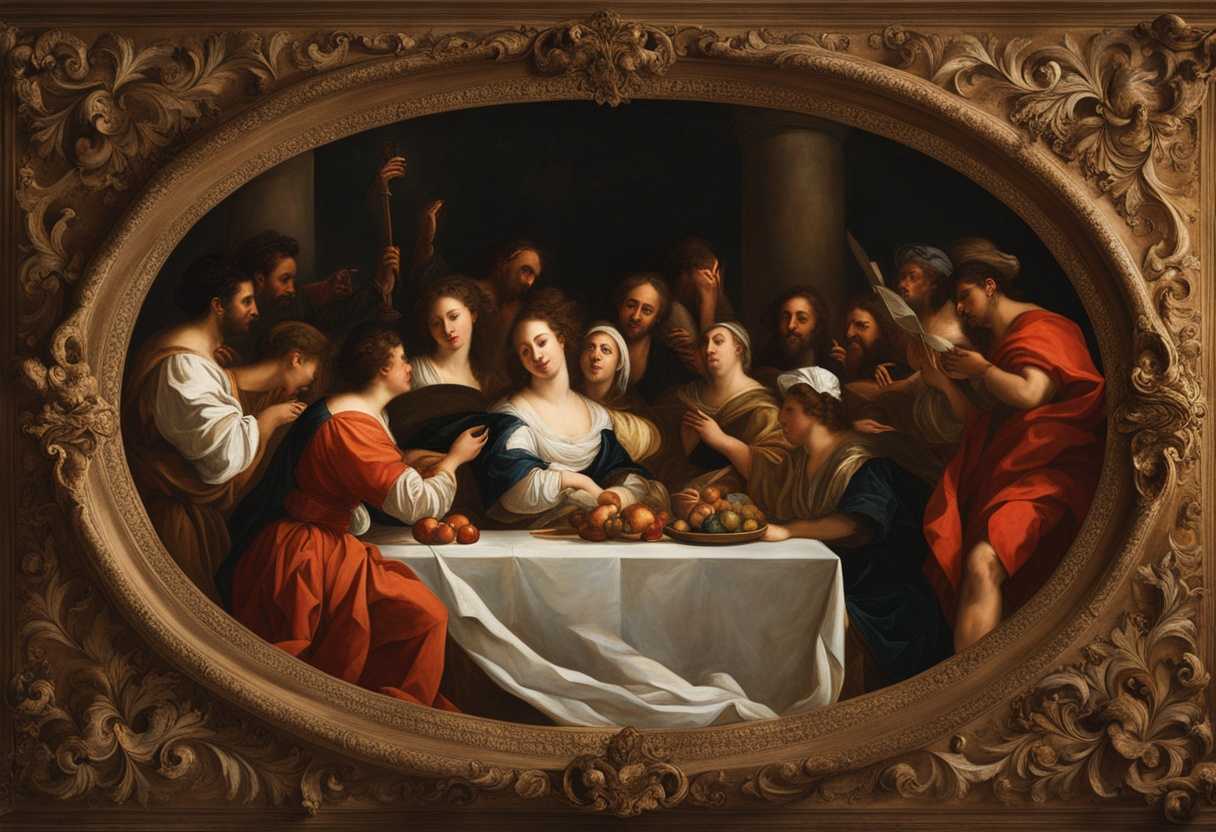
Setting the Scene for Nehemiah 12:38-43
The scene described in Nehemiah 12:38-43 takes place during the dedication of the rebuilt walls of Jerusalem. The setting is vibrant and joyous, filled with music and celebration. The people of Israel, including priests, Levites, singers, and gatekeepers, have gathered together to commemorate the completion of the walls under the leadership of Nehemiah.
The procession begins at the Valley Gate and moves along the wall in opposite directions, with one group led by Nehemiah himself. The sound of trumpets, cymbals, and other musical instruments fills the air as the procession makes its way around the city. The singers raise their voices in songs of thanksgiving and praise, echoing off the newly restored walls.
As they continue along the wall, the procession eventually reconvenes at the Temple, where both groups come together in a grand celebration. The scene is one of unity and gratitude, as the people of Israel give thanks to God for His faithfulness in helping them rebuild the walls of Jerusalem. It is a moment of triumph and joy, marking the culmination of their hard work and dedication.
What is Nehemiah 12:38-43 about?
This verse from the Bible showcases the importance of gratitude and celebration in marking significant milestones and achievements. The act of dedicating the wall of Jerusalem with thanksgiving, singing, and instruments symbolizes the recognition of hard work, faithfulness, and divine intervention that led to the completion of such a monumental task. The individuals involved in this event honor the physical structure of the wall and acknowledge the spiritual and communal aspects of their accomplishment by expressing gratitude, singing praises, and using musical instruments.
Imagine the joy and sense of unity that must have filled the air as the people came together to celebrate this momentous occasion. The act of dedicating the wall with thanksgiving and music serves as a powerful reminder of the importance of acknowledging and appreciating the contributions of all those involved in a collective effort. It also highlights the role of music and celebration in bringing people together, fostering a sense of unity, and creating lasting memories of triumph and camaraderie. So, as we reflect on this verse, let us also consider how we can incorporate gratitude, music, and joy into our own achievements and milestones to create meaningful and memorable experiences.
Understanding what Nehemiah 12:38-43 really means
The Book of Nehemiah recounts the efforts to rebuild the walls of Jerusalem after the exile. Nehemiah, a cupbearer to the Persian king, was burdened by the news of Jerusalem’s desolation and sought permission to return and lead the reconstruction. Through perseverance and prayer, Nehemiah rallied the people to rebuild the wall amidst opposition and challenges. Nehemiah 12:38-43 captures a pivotal moment in this journey, where the community comes together for a grand celebration and dedication of the completed wall.
In this passage, we witness the beauty of unity and harmony as two choirs process in opposite directions along the wall. This symbolic act reflects the diversity of worship styles and the multifaceted ways in which we can praise God. Just as Psalm 150 extols the use of musical instruments and voices in worship, the choirs in Nehemiah’s time exemplify the richness of collective praise. It prompts us to consider how we can embrace different forms of worship to glorify God and foster unity among believers.
Nehemiah’s decision to follow the choirs on top of the wall showcases his leadership style – one of active participation and leading by example. From the moment he inspired the people to rebuild the wall in Nehemiah 2, to his continued involvement in the celebration, Nehemiah exemplifies the qualities of a servant leader. This serves as a reminder for leaders today to engage with their communities and demonstrate commitment to shared goals.
As the choirs transition from the wall to the house of God, we are reminded of the importance of gratitude and worship in the sanctuary. Just as Psalm 100 urges us to enter God’s presence with thanksgiving, the people in Nehemiah’s time offered sacrifices and rejoiced in God’s faithfulness. This prompts us to reflect on our own attitudes of gratitude and the significance of worshiping God with joyful hearts in our places of worship.
The offering of sacrifices and the resulting joy among the people underscore the idea of worship as a heartfelt expression of devotion. Hebrews 13 encourages us to offer a sacrifice of praise, acknowledging that true joy comes from God. This concept of joy as a gift from God challenges us to seek joy not in fleeting pleasures but in the presence of the Almighty, finding contentment and fulfillment in Him alone.
The resounding sound of rejoicing in Jerusalem that could be heard far away speaks to the transformative power of communal worship. Acts 2 depicts early Christians worshiping together with glad and sincere hearts, influencing those around them. This highlights the impact of collective worship in spreading joy and unity beyond the walls of the temple, inspiring others to seek God and join in the celebration.
In our modern context, the lessons from Nehemiah 12:38-43 remain relevant. Unity in worship strengthens the bonds of community, fostering a sense of belonging and shared purpose. Leaders who lead by example inspire and motivate others to follow suit, creating a culture of active participation and commitment. Gratitude and joy in worship enrich our spiritual lives, leading to a deeper connection with God and each other. The impact of genuine worship extends beyond the walls of our churches, influencing society and spreading the message of hope and love.
As we reflect on the celebration and dedication of the wall in Nehemiah’s time, may we be encouraged to examine our own worship practices and community involvement. Let us strive for unity in diversity, leadership through service, and a spirit of gratitude and joy in all we do. May the joy and unity experienced by the people in Nehemiah’s day be a source of inspiration for us today as we seek to worship God wholeheartedly and impact our communities for His glory.
How can we express gratitude in our worship?
We can express gratitude in our worship by praising and thanking God for His faithfulness, goodness, and mercy. We can acknowledge His sovereignty and power, recognizing that all blessings come from Him. We can lift up our voices and instruments in joyful praise in our worship, celebrating all that God has done for us. We show our gratitude for His provision and grace in our lives by offering our thanks and praise to God in our worship.
Additionally, we can express our gratitude in worship by remembering and recounting God’s blessings and faithfulness. We can be reminded of His faithfulness and goodness as we reflect on the ways God has worked in our lives and in the lives of His people throughout history. Expressing our gratitude through remembrance in worship allows us to testify to God’s great deeds and give Him the glory and honor He deserves.
Furthermore, showing gratitude in our worship can involve offerings and sacrifices as symbols of our thanksgiving to God. We demonstrate our gratitude and reliance on His provision by giving back to Him a portion of what He has provided for us. Through our worship, we can express our thankfulness to God for His blessings and grace, recognizing that everything we have comes from Him.
Application
Gather with your tribe, like the people in Nehemiah, celebrate life’s victories. Let’s unite and raise our voices in gratitude, acknowledging blessings, and standing together in worship. Show appreciation for the wonders in your life – be grateful. Will you answer the call to be part of this harmonious symphony of praise?

Reverend Michael Johnson is an experienced Church Minister with a profound expertise in spirituality and guidance. With a serene presence and a compassionate heart, he has faithfully served his congregation for over 20 years, leading them on a spiritual journey towards inner peace and enlightenment. Reverend Johnson’s extensive knowledge of religious philosophies and profound understanding of human nature have made him a trusted confidant and mentor to many, as he seamlessly weaves his profound wisdom into life teachings. Reverend Johnson’s calming demeanor and empathetic nature continue to uplift and heal souls, nurturing a sense of unity and tranquility within his community.