
Nehemiah 13:10-14 is about Nehemiah discovering the neglect of the house of God and the violation of the Sabbath, exemplifying the importance of keeping sacred obligations and the consequences of forsaking them.
10 I also found out that the portions of the Levites had not been given to them, so that the Levites and the singers, who did the work, had fled each to his field.
11 So I confronted the officials and said, “Why is the house of God forsaken?” And I gathered them together and set them in their stations.
12 Then all Judah brought the tithe of the grain, wine, and oil into the storehouses.
13 I also provided for the wood offering at appointed times, and for the firstfruits. Remember me, O my God, for good.
14 Remember me, O my God, concerning this, and do not wipe out my good deeds that I have done for the house of my God and for his service.
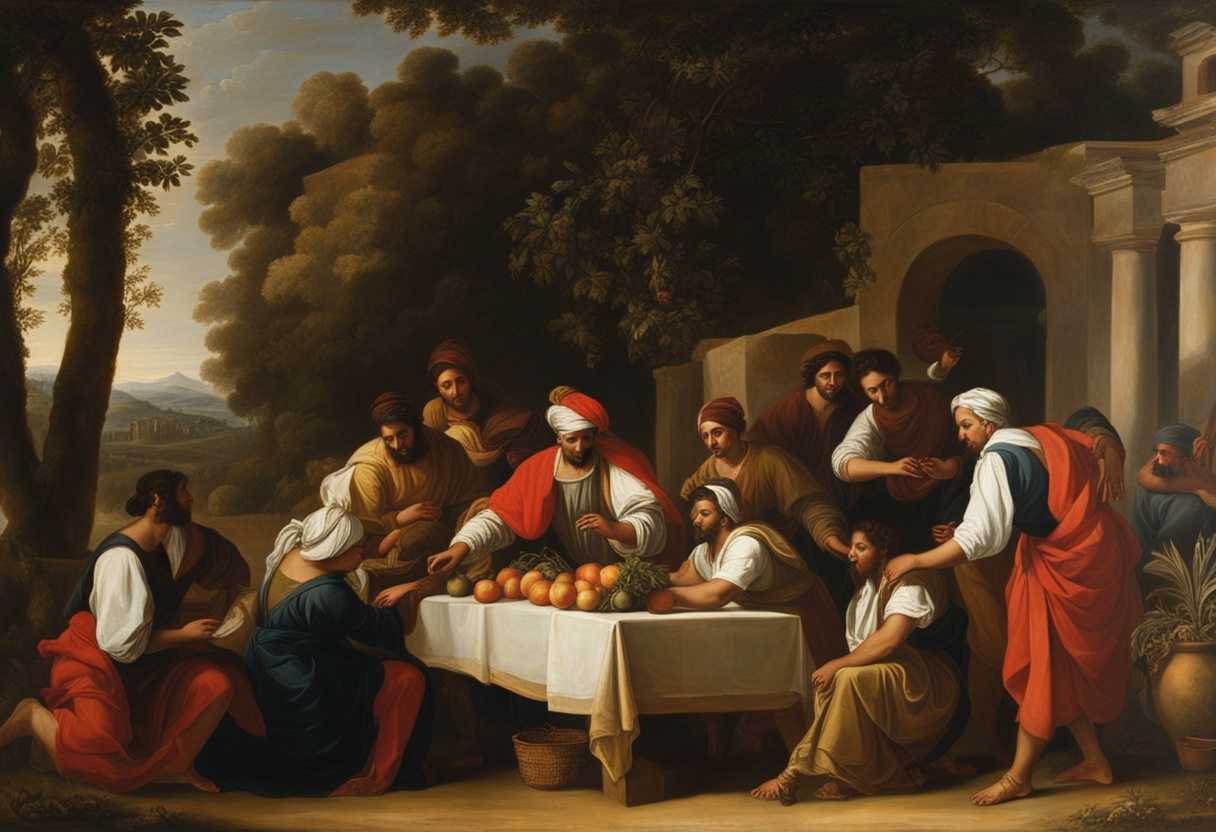
Setting the Scene for Nehemiah 13:10-14
The scene in Nehemiah 13:10-14 takes place in Jerusalem, shortly after Nehemiah returns from a trip to Babylon. Nehemiah had been appointed as the governor of Judah by the Persian king, Artaxerxes, and he had been instrumental in leading the people in rebuilding the walls of Jerusalem. However, during his absence, some of the priests and Levites who were supposed to be serving in the temple had neglected their duties and returned to their fields to work for their own gain.
Upon his return, Nehemiah discovered that the portions of the tithes and offerings that were supposed to go to the Levites and singers had not been given to them, causing them to leave their posts and return to their fields. Nehemiah was deeply troubled by this neglect of the temple service and immediately took action to rectify the situation. He rebuked the officials responsible for the oversight and reinstated the Levites and singers to their rightful positions in the temple, ensuring that the worship of God continued as it should.
The scene is filled with a sense of urgency and determination as Nehemiah works to restore order and obedience to God’s commands in Jerusalem. The people are called to repentance and reminded of the importance of honoring God with their tithes and offerings. Nehemiah’s leadership and commitment to upholding the law of God serve as a powerful example of faithfulness and devotion to the Lord.
What is Nehemiah 13:10-14 about?
Nehemiah is emphasizing the importance of honoring the Sabbath and following God’s commandments in this verse. Nehemiah is ensuring that the people maintain their connection with God and prioritize spiritual renewal and rest by enforcing Sabbath observance. He is seeking to create a community that aligns with God’s will and lives according to His laws.
Think about why Nehemiah may have felt it was crucial to rebuke those who were profaning the Sabbath. How do their actions go against the principles of their faith and the well-being of the community as a whole? Nehemiah upholds religious beliefs and promotes unity and respect within the community by enforcing Sabbath observance and confronting those who violate it. How can we apply this lesson to our own lives and ensure that we prioritize our spiritual well-being and uphold our faith’s teachings in our daily actions?
Understanding what Nehemiah 13:10-14 really means
Nehemiah 13:10-14 sheds light on Nehemiah’s efforts to address neglect within the community, particularly concerning the support of the Levites responsible for temple services. Nehemiah’s discovery that the Levites were not receiving their portions reveals a failure in fulfilling the community’s duty to sustain those dedicated to spiritual service. His direct confrontation with the officials underscores the importance of accountability and the central role of worship in the community’s life. The plea to God not to overlook his good deeds emphasizes Nehemiah’s personal devotion and desire for divine approval, showcasing his commitment to upholding righteousness.
Drawing parallels to other biblical passages, such as Malachi 3:10, 1 Corinthians 9:13-14, and Hebrews 13:16, we see a consistent theme of supporting those engaged in religious service. These verses emphasize the significance of tithing, providing for those who preach the gospel, and engaging in acts of generosity and sharing within the community. The interconnectedness of these teachings highlights the communal responsibility to sustain and uplift those dedicated to spiritual and communal well-being.
The relevance of Nehemiah’s actions extends to contemporary society, urging individuals to support religious leaders, community volunteers, and charitable organizations. Just as Nehemiah rallied the community to rectify the neglect of the Levites, we are called to ensure that those serving the community are not overlooked or burdened. This passage prompts reflection on our roles in upholding the well-being of our communities through active support and stewardship.
An illustrative anecdote can further illuminate the message of Nehemiah 13:10-14. Picture a town where a local food bank, reliant on donations, faces dwindling support. A concerned citizen, akin to Nehemiah, mobilizes the community to revive the food bank, ensuring that essential services reach those in need. This narrative mirrors Nehemiah’s actions, showcasing the transformative impact of collective responsibility and individual initiative in addressing community neglect.
In conclusion, Nehemiah 13:10-14 serves as a poignant reminder of the collective duty to support and sustain those engaged in religious and community service. It underscores the importance of accountability, generosity, and communal effort in upholding essential services and worship practices. By contemplating this passage, we are prompted to evaluate our contributions and responsibilities within our communities, fostering a culture of support and care for those dedicated to serving others.
Are we being faithful stewards of God’s blessings?
Nehemiah is concerned with the unfaithfulness of the people in properly stewarding the blessings God had given them in Nehemiah 13:10-14. He discovered that the Levites and the singers had not been given their portions, and the temple services had thus been neglected. Nehemiah rebuked the officials and directed them to restore the portion to the Levites so that the services could resume as commanded by God. We must reflect on whether we are faithfully stewarding the blessings that God has entrusted to us in our own lives. This includes not only material blessings but also spiritual gifts and opportunities to serve God and others. Are we using our resources, time, and talents in a way that honors God and furthers His kingdom? We should regularly assess if we are neglecting our responsibilities and failing to prioritize what is important to God. Being faithful stewards ultimately means recognizing that everything we have is a gift from God and should be used in a way that glorifies Him. It involves not just giving back a portion but giving generously and sacrificially, with a heart of gratitude for all that we have been given. May we heed Nehemiah’s example and ensure that we are faithfully stewarding all that God has blessed us with.
Application
Heed the lessons of Nehemiah 13:10-14, stay unwavering in faith, and protect the sacred ties with God. Let’s work together to shield our spiritual sanctuaries from corruption just like safeguarding our most cherished treasures. Will you join this endeavor and preserve the sanctity of your divine connection in your world today?

Reverend Michael Johnson is an experienced Church Minister with a profound expertise in spirituality and guidance. With a serene presence and a compassionate heart, he has faithfully served his congregation for over 20 years, leading them on a spiritual journey towards inner peace and enlightenment. Reverend Johnson’s extensive knowledge of religious philosophies and profound understanding of human nature have made him a trusted confidant and mentor to many, as he seamlessly weaves his profound wisdom into life teachings. Reverend Johnson’s calming demeanor and empathetic nature continue to uplift and heal souls, nurturing a sense of unity and tranquility within his community.