
Nehemiah 7:39-45 is about the record of the priests, Levites, gatekeepers, singers, and temple servants who returned to Jerusalem after the exile, illustrating the importance of each member’s role in the community and the restoration of worship and service in the city.
39 The priests: the sons of Jedaiah, namely the house of Jeshua, 973.
40 The sons of Immer, 1,052.
41 The sons of the Levites who went up from the captivity of the exiles, whom Zerubbabel and Jeshua had appointed, were 74.
42 The sons of the gatekeepers: the sons of Shallum, the sons of Ater, the sons of Talmon, the sons of Akkub, the sons of Hatita, and the sons of Shobai, in all 139.
43 The temple servants: the sons of Ziha, the sons of Hasupha, the sons of Tabbaoth,
44 The singers: the sons of Asaph, 148.
45 The gatekeepers: the sons of Shallum, the sons of Ater, the sons of Talmon, the sons of Akkub, the sons of Hatita, the sons of Shobai, 138.
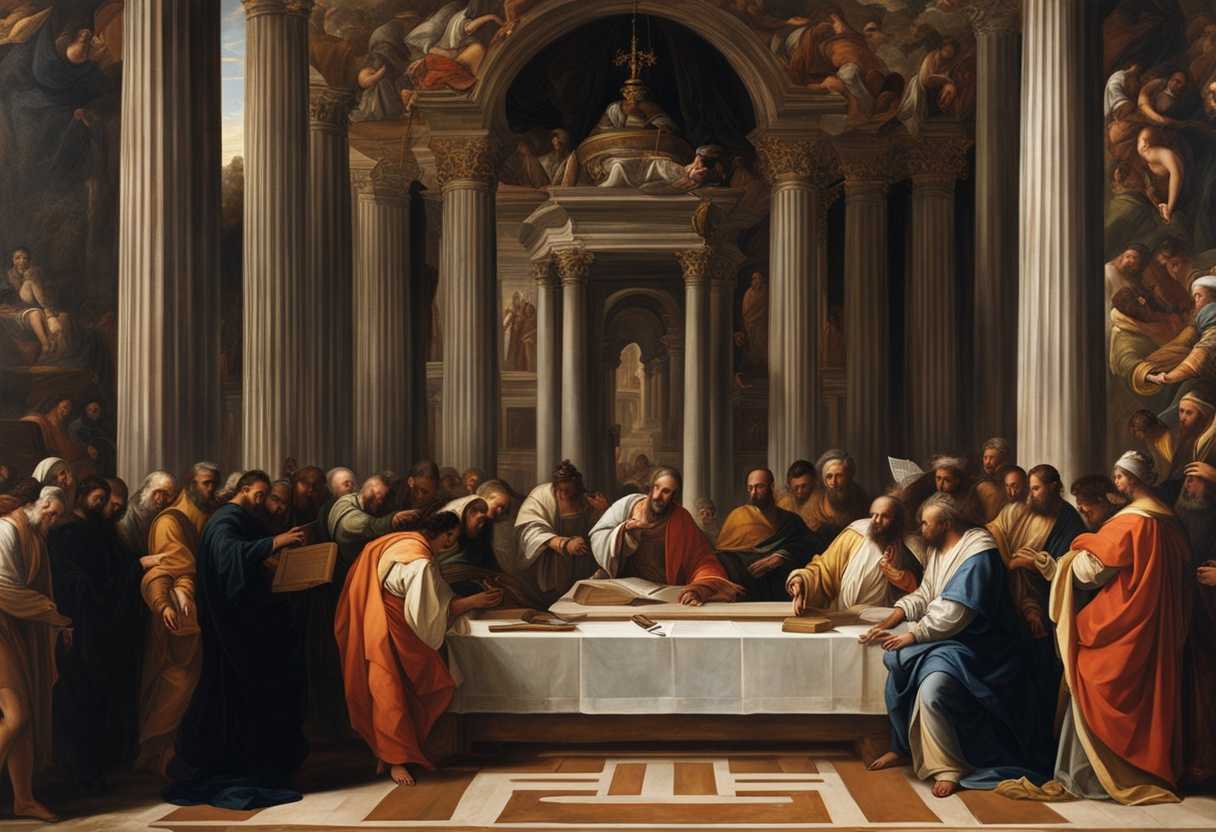
Setting the Scene for Nehemiah 7:39-45
The scene in Nehemiah 7:39-45 takes place in the city of Jerusalem, specifically at the time when the exiles were returning from Babylon to rebuild the city walls and restore the temple. Nehemiah, a cupbearer to the Persian king Artaxerxes, had been granted permission to return to Jerusalem to oversee the reconstruction efforts. As the people gathered in Jerusalem, Nehemiah appointed trustworthy individuals to be in charge of various tasks, including the oversight of the storerooms for the temple offerings.
Among those mentioned in this passage are priests, Levites, gatekeepers, and temple servants who were responsible for safeguarding the treasures and offerings brought to the temple. These individuals were chosen based on their lineage and faithfulness to God. The scene is one of organization and dedication as the people worked together to ensure the safety and proper handling of the resources dedicated to the service of the Lord.
The surroundings would have been bustling with activity as the returning exiles settled back into their homeland and began the work of rebuilding. The city of Jerusalem, once in ruins, was now being restored with the help of Nehemiah’s leadership and the dedication of the people. The scene reflects a sense of unity and purpose as the community came together to honor God and fulfill their responsibilities in the restoration of their beloved city and temple.
What is Nehemiah 7:39-45 about?
This verse along with similar passages in the Old Testament is a list of priests and Levites who returned to Jerusalem after being exiled in Babylon. These priests and Levites played a crucial role in the religious and social life of ancient Israel. Their return to Jerusalem symbolized the restoration of the community and the reestablishment of temple worship.
Have you ever wondered about the significance of genealogies and lists of names in the Bible? These lists serve to highlight the importance of each individual in the community and show how God works through specific people for His plans and purposes. The Bible emphasizes the faithfulness of God in preserving His people and fulfilling His promises by recording these names. Each person has a role to play in God’s larger story of redemption as we reflect on this verse. We too are called to serve God in various capacities within our communities, just as these priests and Levites were called to serve in the temple. The faithfulness of those who have gone before us encourages us, inspiring us to continue the work of building God’s kingdom here on earth.
Understanding what Nehemiah 7:39-45 really means
Nehemiah 7:39-45 delves into the detailed list of priests who returned to Jerusalem following the Babylonian exile, a crucial moment in the restoration of Israel’s religious and social order. These priests played a pivotal role in the spiritual life of the community, overseeing sacrifices and the upkeep of the temple. The meticulous recording of their names underscores the significance of each individual in God’s plan, highlighting the value of every person’s contribution to the community.
In conjunction with related passages such as Ezra 2:36-39 and 1 Chronicles 24, the consistency in documenting the priests’ return underscores the importance of these records in the narrative of restoration. Additionally, Hebrews 7:23-28 draws a connection between the Old Testament priesthood and Jesus as the ultimate high priest in the New Covenant, emphasizing the continuity and fulfillment of God’s plan through history.
The themes of restoration, community, and faithfulness depicted in Nehemiah 7:39-45 resonate with contemporary audiences. Just as the Israelites sought to rebuild their community and faith, individuals today often strive for restoration in various aspects of their lives. The passage also underscores the significance of community and the roles of leaders within it, highlighting the need for strong, faithful leadership in modern society.
Consider a scenario where a small town ravaged by a natural disaster rallies together for reconstruction. Key figures like the mayor, teachers, and doctors play essential roles in the town’s recovery, mirroring the importance of the priests in rebuilding Jerusalem spiritually. Each person, regardless of their role, contributes significantly to the collective restoration effort, emphasizing the value of every individual in God’s overarching plan.
Phrases like “the priests,” “the children of,” and “returned” in Nehemiah 7:39-45 carry profound meanings. They symbolize spiritual leadership, lineage, heritage, and the journey of restoration and hope. By delving into the historical context, exploring related scriptures, and reflecting on the passage’s relevance to modern life, we glean insights into the themes of restoration, community, and faithfulness. Nehemiah’s account encourages us to recognize the importance of each person’s role in God’s unfolding plan and to appreciate the value of community and faithfulness in our lives today.
How can we support and serve our community?
We can support and serve our community by ensuring that resources are distributed equitably among all members. We can ensure that no member is left behind or neglected by meticulously keeping track of who belongs to the community and overseeing the fair distribution of resources. Through proper organization and inclusive practices, we can create a strong and united community where everyone feels valued and supported. We can show our support and care for our community by actively engaging with its members and being present in their lives. We can create a sense of camaraderie and solidarity within our community by building relationships with one another, lending a listening ear, and offering practical assistance when needed. This personal touch can go a long way in fostering a sense of belonging and unity among community members, promoting a culture of mutual support and service.
Furthermore, we can serve our community by taking on responsibilities and tasks that benefit the collective good. We can contribute to the overall well-being and development of our community by volunteering our time, skills, and resources to address its needs and challenges. Whether it is through organizing community events, participating in service projects, or providing assistance to those in need, we can make a difference and positively impact the lives of those around us.
Application
Let’s cherish our roots and keep the flame of faith burning bright for our loved ones. Just as we invest in our careers and nurture our families, let’s also prioritize our spiritual legacy. By staying true to our beliefs and passing on the wisdom of our faith, we create a chain of strength that uplifts everyone. How will you contribute to this powerful legacy today?

Reverend Michael Johnson is an experienced Church Minister with a profound expertise in spirituality and guidance. With a serene presence and a compassionate heart, he has faithfully served his congregation for over 20 years, leading them on a spiritual journey towards inner peace and enlightenment. Reverend Johnson’s extensive knowledge of religious philosophies and profound understanding of human nature have made him a trusted confidant and mentor to many, as he seamlessly weaves his profound wisdom into life teachings. Reverend Johnson’s calming demeanor and empathetic nature continue to uplift and heal souls, nurturing a sense of unity and tranquility within his community.