
Numbers 18:15-16 is about the regulation of offerings and tithes given to the priests in recognition of their service and dedication to God, ensuring they are provided for within the community.
15 Everything that opens the womb of all flesh, whether man or beast, which they offer to the Lord, shall be yours. Nevertheless, the firstborn of man you shall redeem, and the firstborn of unclean animals you shall redeem.
16 They shall have the firstfruits of all the fruit of every tree, and you shall receive the firstfruits of all that is in the land to the Lord.
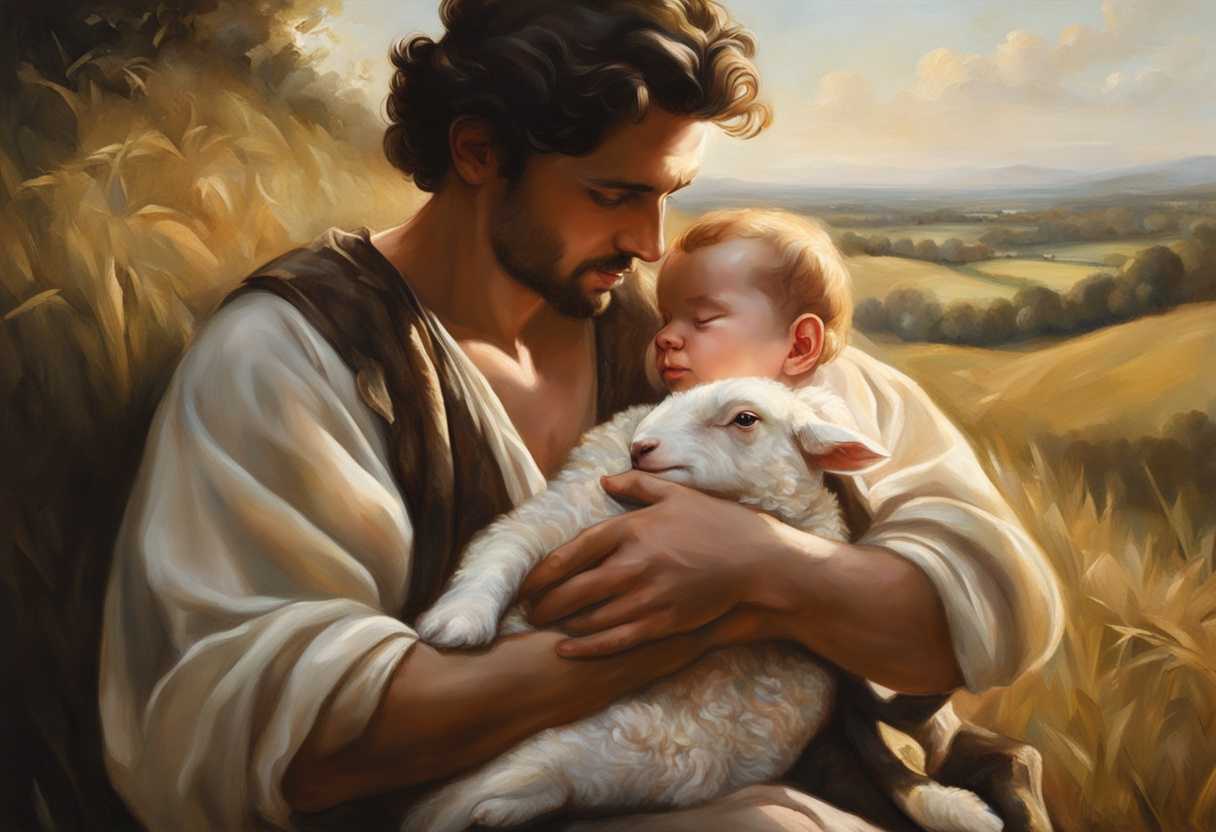
Setting the Scene for Numbers 18:15-16
In Numbers chapter 18, we find ourselves in the midst of the Israelite camp, specifically at the entrance of the Tabernacle. The scene is bustling with activity as the Levites, led by Aaron and his sons, are carrying out their duties in service to the Lord. The air is filled with the scent of burning incense and the sound of prayers being offered up to God.
Aaron, the high priest, is overseeing the offerings brought by the people as part of their worship. His sons, Eleazar and Ithamar, are assisting him in the sacred rituals, ensuring that everything is done according to the Lord’s commands. The Levites are also present, helping to maintain the Tabernacle and support the priests in their work.
As the people bring their tithes and offerings to the Tabernacle, Aaron and his sons are responsible for collecting them and presenting a portion to the Lord. These offerings are a symbol of the people’s gratitude and obedience to God, acknowledging His provision and sovereignty over their lives. The scene is a powerful reminder of the importance of worship and the role of the priesthood in facilitating the relationship between God and His people.
What is Numbers 18:15-16 about?
The act of redemption for the firstborn sons and the offering of a ram symbolize the practice of surrendering something valuable to honor God and show gratitude for His blessings in this verse. Imagine the deep sense of respect and humility one must feel when presenting a ram as an offering. This act is not just a physical gesture but also a spiritual one, signifying a willingness to give up something significant for the greater good. It is a way of acknowledging God’s role as the ultimate provider and protector. The symbolism behind redeeming the firstborn sons should be considered. The Israelites were recognizing God’s authority over the lives of their children and demonstrating their commitment to following His commandments by redeeming the firstborn sons. This act serves as a reminder that our blessings come from God, and it is our duty to honor Him with our most valuable possessions. Through these rituals, the Israelites were strengthening their bond with God and deepening their faith in His divine guidance. So, when reflecting on this verse, may we also contemplate what we are willing to offer up to honor God and express our gratitude for His love and mercy.
Understanding what Numbers 18:15-16 really means
Numbers 18:15-16 delves into the intricate instructions given to the Levites, shedding light on their responsibilities and the offerings designated for them by the Israelites. These verses specifically touch upon the redemption of the firstborn, whether human or animal, emphasizing their sanctity in the eyes of the Lord. The phrase “Everything that opens the womb of all flesh” encompasses the significance of the firstborn in biblical tradition, highlighting their belonging to God. The directive to “redeem” the firstborn underscores the act of buying back or substituting, emphasizing the value and sacred nature attributed to them. The mention of “Five shekels in silver” quantifies the redemption process, emphasizing its tangible and substantial nature within the religious practices of the time.
In Exodus 13:2, the consecration of every firstborn male to the Lord is outlined, reinforcing the sacred status of the firstborn among the Israelites. The narrative in Luke 2:22-24, depicting the presentation of Jesus at the temple, aligns with the practice of redemption as prescribed by the Law of Moses, showcasing the continuity of this tradition. 1 Peter 1:18-19 draws parallels between the redemption of perishable things with silver or gold and the invaluable redemption through the precious blood of Christ, highlighting the eternal significance of this act.
The concept of redemption holds paramount importance in Christian faith, symbolizing the sacrificial atonement provided by Jesus Christ for the sins of humanity. It serves as a poignant reminder of the immense value God places on each individual and the extent to which He goes to ensure our salvation. Consider a family adopting a child; beyond the legal formalities, the true cost lies in the love, time, and dedication they invest in the child. Similarly, God’s redemption of us transcends mere transactional value, embodying a profound demonstration of love and commitment.
Reflecting on the notion of being “redeemed” prompts contemplation on the depth of God’s love and the intrinsic value He sees in each of us. It beckons us to honor the sacrifice made on our behalf by living lives imbued with gratitude and service. Ponder on ways to reciprocate this love and commitment by extending kindness and compassion to those around you. By internalizing the significance of these verses, we can grasp the unfathomable love and worth God bestows upon us, inspiring a life characterized by thankfulness and selfless service.
How can we honor God with our possessions?
We can honor God with our possessions by giving back a portion of what He has blessed us with. We show our gratitude and trust in God’s provision by tithing and giving offerings. This act of giving demonstrates our acknowledgment that all we have ultimately belongs to Him, and it also allows us to support the work of the church and those in need within our community.
When we give willingly and cheerfully, we not only honor God but also express our faith in His faithfulness to provide for us. This act of generosity transforms our relationship with our possessions from one of possession to stewardship. We align ourselves with His purposes and contribute to the advancement of His kingdom on earth by being faithful in giving back to God.
Application
Embrace the spirit of giving and stewardship from Numbers 18:15-16 as a guiding light in your life. By offering your gifts with a joyful heart, you show your faith and commitment to following the path set forth in these verses. Will you take on the challenge of living out these principles in your daily life, spreading joy and generosity to those around you?

Reverend Michael Johnson is an experienced Church Minister with a profound expertise in spirituality and guidance. With a serene presence and a compassionate heart, he has faithfully served his congregation for over 20 years, leading them on a spiritual journey towards inner peace and enlightenment. Reverend Johnson’s extensive knowledge of religious philosophies and profound understanding of human nature have made him a trusted confidant and mentor to many, as he seamlessly weaves his profound wisdom into life teachings. Reverend Johnson’s calming demeanor and empathetic nature continue to uplift and heal souls, nurturing a sense of unity and tranquility within his community.