
20 The people of Reuben, Israel’s firstborn, their generations, by their clans, by their fathers’ houses, according to the number of names, head by head, every male from twenty years old and upward, all who were able to go to war:
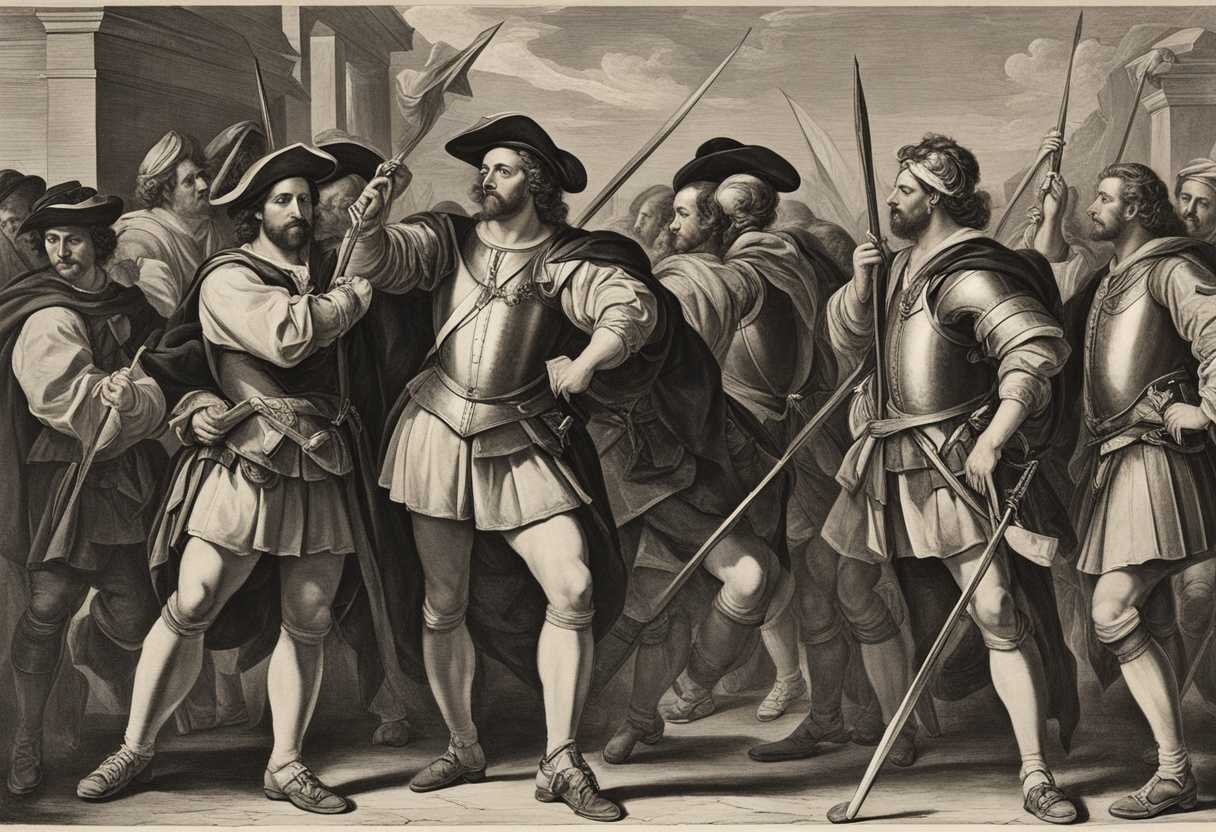
Setting the Scene for Numbers 1:20
In Numbers chapter 1, the scene is set in the wilderness of Sinai, where the Israelites have recently escaped from Egypt under the leadership of Moses. The Israelites have been instructed by God to take a census of all the men who are able to serve in the army. This census is to prepare the Israelites for their journey to the Promised Land and to organize them for any potential battles they may face along the way.
Moses, the leader of the Israelites, along with his brother Aaron, the high priest, are overseeing the census. The twelve tribes of Israel are represented, with each tribe having its own leader assisting in the counting of the men. The atmosphere is one of anticipation and readiness as the Israelites prepare to embark on their journey towards the land that God has promised them.
The scene is bustling with activity as the men of each tribe are counted and organized according to their ancestral families. The sound of voices calling out numbers and names fills the air, while the vast desert landscape stretches out around them, a constant reminder of both the challenges and the promises that lie ahead for the people of Israel.
What is Numbers 1:20 about?
The verse in this passage specifically enumerates the tribe of Reuben, one of the twelve tribes of Israel. The significance of stating Reuben as the firstborn son of Israel highlights the traditional importance of primogeniture in ancient societies. This verse serves not only as a simple headcount, but also as a demonstration of the meticulous organization and attention to detail in recording the population of each tribe for various purposes in the narrative of the Israelites in the Bible.
Have you ever considered the significance of being the firstborn in a family or community? This verse underlines the role and responsibility that often comes with being the firstborn, as Reuben is mentioned first among the twelve tribes. It also prompts us to reflect on the meticulous record-keeping and sense of community found in ancient times, where every individual within a tribe was counted and valued. Delve into this verse and appreciate the historical context and significance of numbers in the Bible, showcasing the divine order and precision in God’s plan for His people.
So, as we ponder upon this seemingly straightforward verse, let it serve as a reminder of the importance of individual members within a larger community, the significance of birth order, and the careful documentation of historical accounts. Each number and detail in the Bible carries meaning and depth, inviting us to explore the intricate tapestry of God’s plan and the profound significance of every individual within His grand design.
Understanding what Numbers 1:20 really means
Structure for Commentary:
- Introduction and Context
- Detailed Examination of Key Phrases
- Cross-References and Broader Biblical Themes
- Relevance to Modern Readers
- Anecdote for Illustration
- Moses and Aaron were commanded by God to count all the men of Israel who were able to go to war in Numbers 1:20, which falls within the broader context of the census of the Israelites, a significant event. This census was not merely a headcount; it had deep spiritual and communal implications, marking a pivotal moment in the journey of the Israelites from slavery in Egypt to the Promised Land.
Detailed Examination of Key Phrases:
The phrase “all the men twenty years old or more who were able to serve in the army” underscores the importance of readiness and responsibility. At twenty, these men were considered mature enough to bear the burdens of warfare, signifying a transition into full communal responsibilities. This demarcation of age and ability reflects a society structured around collective duty and preparedness.
Cross-References and Broader Biblical Themes:
This notion of readiness and responsibility is echoed in other parts of the Bible. For instance, in Ephesians 6:10-18, Paul talks about the armor of God, urging believers to be spiritually ready to face challenges. Similarly, in 1 Peter 5:8, Christians are advised to be alert and of sober mind. These passages collectively emphasize the need for preparedness, both physically in the Old Testament and spiritually in the New Testament.
Relevance to Modern Readers:
Today, while we may not be preparing for physical warfare, the principles of readiness, responsibility, and community service remain highly relevant. The call to be vigilant and prepared is more pressing than ever in a world filled with distractions. Whether it’s in our spiritual lives, our roles in our families, or our responsibilities in society, the lesson is clear: readiness and active participation are crucial. John, a young man, decided to volunteer at a local shelter when he was twenty. Initially, he saw it as a way to fulfill a community service requirement. However, as he continued, he realized the deeper impact of his involvement. He wasn’t just serving meals; he was providing hope and companionship. Much like the Israelites counted for battle, John discovered his role in a larger purpose, teaching him the value of responsibility and readiness to serve others.
Reflective Questions and Conclusion:
Have you considered the areas in your life where you need to be more prepared? Are there responsibilities you have been hesitant to take on? Reflect on the broader implications of readiness and duty in your life. How can you, like the Israelites of old and John in the anecdote, step into your role with commitment and purpose? Numbers 1:20 is more than a historical record; it’s a call to readiness and responsibility that transcends time. We can find ways to be better prepared and more actively involved in the communities and roles we are part of by examining our own lives through this lens.
How can we align our lives with God’s purpose?
We can align our lives with God’s purpose by recognizing that He has a specific plan for each one of us. Just as the Israelites were counted and organized in alignment with God’s instructions, we too can reflect on our own lives and consider how we are living out His purpose for us. This may involve seeking His guidance through prayer, studying His word, and listening to the promptings of the Holy Spirit.
To align our lives with God’s purpose, we can also strive to live in obedience to His commandments and follow His teachings. We can be confident that we are moving in the direction He has planned for us by living a life of faith and trust in Him. This may require making choices that are in accordance with His will and seeking to bring glory to Him in all that we do. We ultimately align our lives with God’s purpose by surrendering our will to His and allowing Him to work in and through us for His glory. We can be confident that we are on the path that He has set out for us as we seek His guidance and walk in obedience to Him, fulfilling the purpose that He has uniquely designed for each one of us.
Application
Embrace your faith journey like tackling an important project at work. Dive in with dedication, and don’t delay in seeking a deeper connection with God. Live out His teachings, just as you uphold values in your family. Let’s commit now to walking in His ways and sharing His love, similar to supporting a loved one. How will you act on this divine call today?

Reverend Michael Johnson is an experienced Church Minister with a profound expertise in spirituality and guidance. With a serene presence and a compassionate heart, he has faithfully served his congregation for over 20 years, leading them on a spiritual journey towards inner peace and enlightenment. Reverend Johnson’s extensive knowledge of religious philosophies and profound understanding of human nature have made him a trusted confidant and mentor to many, as he seamlessly weaves his profound wisdom into life teachings. Reverend Johnson’s calming demeanor and empathetic nature continue to uplift and heal souls, nurturing a sense of unity and tranquility within his community.