
Numbers 28:9-10 is about the importance of offering daily sacrifices to the Lord as a symbol of continuous dedication and worship to Him.
9 “On the Sabbath day, two male lambs a year old without blemish, and two tenths of an ephah of fine flour for a grain offering, mixed with oil, and its drink offering:”
10 one-tenth of an ephah for each of the seven lambs;
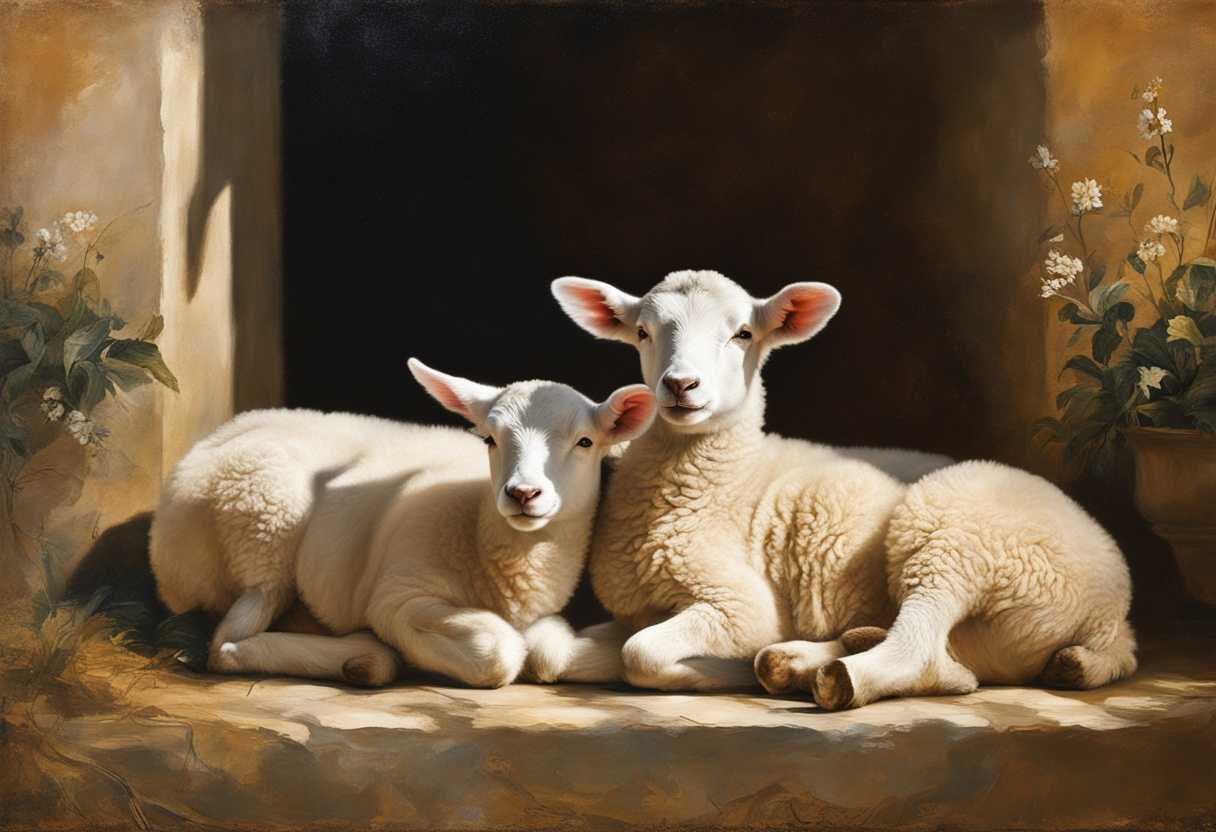
Setting the Scene for Numbers 28:9-10
In Numbers chapter 28, we find the Israelites in the wilderness, following the instructions given to them by God through Moses. The scene is set at the entrance of the Tabernacle, where Moses, Aaron, and the priests are gathered to offer the daily sacrifices to the Lord. The Tabernacle is a sacred tent where the Israelites worship and make offerings to God as they journey towards the Promised Land.
As the sun rises, the priests prepare the morning sacrifice of a lamb without blemish, along with its grain offering and drink offering, as outlined in Numbers 28:9-10. The aroma of the burning incense fills the air as the people gather around to witness this sacred ritual. The sound of prayers and praises to God can be heard as the smoke rises towards the heavens, symbolizing the people’s devotion and commitment to their Creator.
The scene is one of reverence and obedience, as the Israelites faithfully follow the laws and regulations set forth by God. The daily sacrifices serve as a reminder of their dependence on God for provision, protection, and forgiveness of sins. In this moment, the people are united in worship, seeking God’s favor and guidance as they continue their journey through the wilderness.
What is Numbers 28:9-10 about?
This verse from Numbers outlines the instructions given by God to the Israelites for their daily offerings. Each day, they were to present two lambs, along with a specific quantity of flour, oil, and wine, as an offering to God. These offerings were intended to be a pleasing aroma to God, symbolizing the Israelites’ obedience, thankfulness, and desire to maintain a close relationship with Him.
Imagine the significance of these daily rituals in the lives of the Israelites. The act of presenting the lambs and the accompanying elements was more than just a physical offering; it was a spiritual practice meant to demonstrate their devotion and faith. Through these offerings, the Israelites sought to honor God and deepen their connection with Him on a daily basis. This verse serves as a reminder of the importance of regular and intentional worship, as well as the power of symbolic gestures in expressing our reverence and gratitude towards the Divine. This ancient practice of offering sacrifices might inspire us in our own spiritual journey today. While we may not make literal offerings of lambs, flour, oil, and wine, we can reflect on the intention behind these rituals – the desire to please God and draw closer to Him. How can we incorporate such symbolic acts of devotion into our modern lives? How can we ensure that our daily actions and offerings are pleasing to God, symbolizing our commitment and love for Him? Let this verse prompt us to reflect on the ways we can cultivate a deeper spiritual connection in our daily lives, just as the Israelites did through their offerings.
Understanding what Numbers 28:9-10 really means
In Numbers 28:9-10, we delve into the divine directives given to Moses concerning the Sabbath offerings for the Israelites. These instructions were not mere rituals but a way for the people to honor God and acknowledge His sovereignty. The Sabbath, a day of rest and worship, was a recurring theme in the Israelites’ lives, reminding them of the significance of setting aside time for God amidst their daily routines.
The Sabbath offerings outlined in these verses were to be presented in addition to the daily offerings, signifying a special dedication to God on this sacred day. This distinction highlights the importance of intentional worship and reflection, especially on a day specifically designated for rest and spiritual rejuvenation. It serves as a reminder for us today to prioritize our relationship with God amidst the busyness of our lives.
Drawing parallels to related passages such as Exodus 20:8-11 and Leviticus 23:3, we see a consistent emphasis on the sanctity of the Sabbath and the need for solemn rest and worship. These passages reinforce the idea that setting aside time for God is not just a suggestion but a commandment that carries spiritual significance and blessings for those who observe it.
In a world where hustle and bustle often take precedence, the concept of observing a day of rest may seem counterintuitive. However, the relevance of these verses transcends time and culture, speaking to the universal need for spiritual nourishment and renewal. By taking a cue from the Sabbath offerings, we can learn to prioritize our spiritual well-being and find balance in our lives.
Imagine a scenario where a workaholic professional neglects their spiritual and personal life in pursuit of career success. By incorporating the practice of Sabbath rest into their routine, they could experience a profound shift in perspective, finding fulfillment not just in their work but also in their relationships and faith. This anecdote illustrates the transformative power of intentional rest and worship in fostering holistic well-being.
The detailed instructions regarding the offerings – from the selection of unblemished lambs to the preparation of fine flour mixed with oil – underscore the importance of excellence and mindfulness in our worship. Every aspect of the Sabbath offerings was meant to reflect the people’s reverence and dedication to God, teaching us the value of approaching our spiritual practices with sincerity and care.
As we ponder on Numbers 28:9-10 and its implications for our lives, let us consider how we can incorporate the essence of Sabbath rest into our modern-day routines. By setting aside intentional time for God, we not only honor Him but also nurture our souls, finding solace and strength in His presence. May these verses inspire us to prioritize our spiritual well-being and cultivate a deeper connection with the Divine in our daily lives.
How can we honor God with our best offerings?
We can honor God with our best offerings by presenting them to Him with a heart of sincerity and reverence. We should offer the best of what we have to God, just as in the verse where the best part of the offering is specified to be presented to the Lord. This signifies giving our utmost effort, time, talents, and resources to Him, recognizing that He is deserving of nothing but the best from us. Honoring God with our best offerings also involves a spirit of generosity and gratitude. When we give our best to God, we are demonstrating our love and devotion to Him. It is not merely about the physical offerings we bring, but the attitude of our hearts as we do so. We show our thankfulness for all that He has done for us and acknowledge His sovereignty over our lives by giving sacrificially and joyfully. Honoring God with our best offerings ultimately reflects our commitment to Him and our desire to put Him first in all aspects of our lives. When we prioritize God and seek to give Him the best of what we have, we are aligning ourselves with His will and demonstrating our faithfulness to Him. We show that we recognize His worthiness and seek to glorify Him in all that we do.
Application
Reflect on giving your all to the highest power. Commit to offering your best with sincerity and gratitude. Show reverence in your actions and bring purity and obedience to your worship. Honor the source of all you have with your whole being. Will you rise to the challenge and offer your best to the one who sustains us all?

Reverend Michael Johnson is an experienced Church Minister with a profound expertise in spirituality and guidance. With a serene presence and a compassionate heart, he has faithfully served his congregation for over 20 years, leading them on a spiritual journey towards inner peace and enlightenment. Reverend Johnson’s extensive knowledge of religious philosophies and profound understanding of human nature have made him a trusted confidant and mentor to many, as he seamlessly weaves his profound wisdom into life teachings. Reverend Johnson’s calming demeanor and empathetic nature continue to uplift and heal souls, nurturing a sense of unity and tranquility within his community.