
Numbers 32:39-42 is about the tribes of Reuben and Gad receiving land east of the Jordan River as their inheritance, symbolizing the importance of fulfilling commitments and responsibilities even when faced with temptation or distraction.
39 And the sons of Machir the son of Manasseh went to Gilead and captured it, and dispossessed the Amorites who were in it.
40 So Moses gave Gilead to Machir the son of Manasseh, and he settled in it.
41 Jair the son of Manasseh went and captured their villages, and called them Havvoth-jair.
42 And Nobah went and captured Kenath and its villages, and called it Nobah, after his own name.
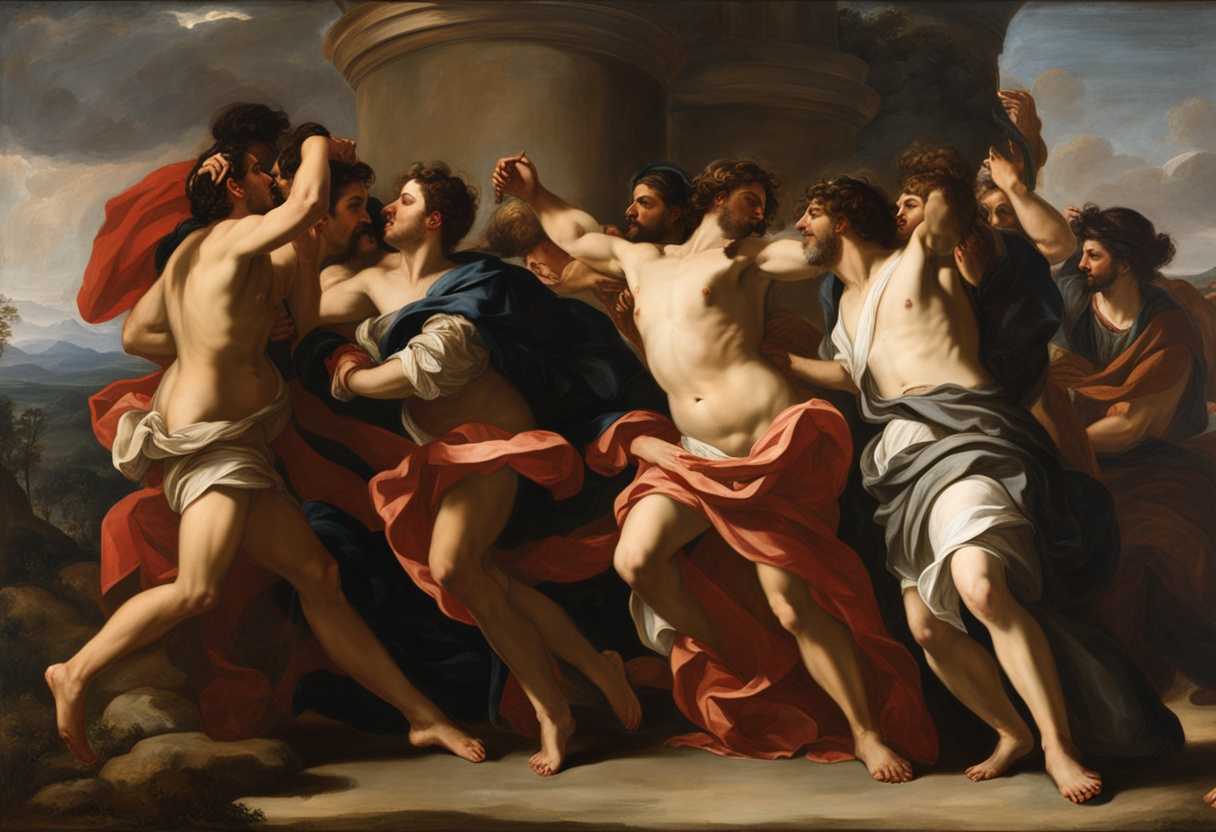
Setting the Scene for Numbers 32:39-42
The scene in Numbers 32:39-42 takes place in the land of Gilead, on the eastern side of the Jordan River. The tribes of Reuben and Gad, along with the half-tribe of Manasseh, had requested this land as their inheritance from Moses. These tribes were known for their large herds of livestock and saw the land of Gilead as suitable for their needs.
In this scene, we see the leaders of these tribes, including Jair the son of Manasseh, taking possession of the cities in the region. They rebuilt and fortified the cities, naming them after their own names or the names of their ancestors. The land of Gilead was a fertile region, perfect for grazing their livestock and providing for their families.
The leaders of these tribes had come to an agreement with Moses to settle in Gilead on the condition that they would also help the other tribes of Israel conquer the land west of the Jordan. This scene showcases the fulfillment of that agreement as they establish themselves in their new territory while remaining committed to supporting their fellow Israelites in the conquest of Canaan.
What is Numbers 32:39-42 about?
Let’s explore the significance of this verse together. Reuben and Gad, two of the tribes of Israel, chose to settle in the land of Gilead instead of crossing the Jordan River with the rest of the tribes. They were solidifying their presence and establishing their identity in this new territory by capturing cities and naming them after their families.
This verse highlights the importance of roots and heritage. Reuben and Gad were honoring their ancestors and preserving their lineage for generations to come by naming the cities after their families. It also symbolizes a sense of ownership and responsibility towards the land they inhabited, as they were not just settlers but founders of communities that would carry on their legacy. We, as educators, can use this verse to teach our students about the significance of honoring our past, taking ownership of our actions, and building a strong foundation for the future. We can reflect on the choices we make today and how they shape the world we leave behind for the next generation. What cities are we building in our lives, and what legacy are we creating for those who come after us?
Understanding what Numbers 32:39-42 really means
The Book of Numbers, a part of the Pentateuch attributed to Moses, recounts the Israelites’ journey from Mount Sinai to the Promised Land. In Numbers 32:39-42, we delve into the account of the descendants of Machir, the son of Manasseh, who displayed remarkable courage and initiative in conquering and settling in the land of Gilead. Their actions serve as a testament to the power of taking proactive steps in fulfilling God’s promises and overcoming obstacles along the way.
The phrase “The descendants of Machir son of Manasseh went to Gilead, captured it, and drove out the Amorites who were there” vividly portrays the resolute determination of Machir’s descendants. It exemplifies the importance of seizing opportunities and facing challenges head-on, reflecting a spirit of boldness and faith in God’s provision. Through Moses, Gilead was granted to the Makirites, underscoring the divine reward for their unwavering faithfulness and bravery in claiming their inheritance.
Furthermore, the naming of the settlements by Jair, a descendant of Manasseh, as Havvoth Jair, emphasizes the significance of personal legacy and the preservation of one’s heritage. This act symbolizes the enduring impact of individual contributions and the importance of honoring and remembering the past. It serves as a reminder that our actions today can leave a lasting imprint on future generations, shaping the narrative of our legacy and influence within our communities.
Drawing parallels to related biblical passages such as Joshua 17:1-6, Deuteronomy 3:13-15, and Judges 10:3-4, we witness the continuity of God’s promises, the allocation of land to the tribes of Israel, and the significance of individual leadership in shaping the destiny of a people. These passages further reinforce the themes of faithfulness, perseverance, and the intergenerational impact of our choices and actions.
In a contemporary context, the narrative of Machir’s descendants resonates with individuals today, urging them to emulate their courage and initiative in pursuing their God-given purposes. Just as they took proactive steps to claim their inheritance, we are called to actively engage in our faith journey, trusting in God’s provision and guidance. This passage serves as a poignant reminder of the enduring value of faithfulness, perseverance, and the lasting impact of our actions on the world around us.
Consider the story of Sarah, a young woman inspired by the account of Machir’s descendants, who embarked on a mission to establish a community outreach program despite facing numerous obstacles. Her unwavering determination and faith mirrored that of the biblical characters, leaving a profound legacy that not only impacted her community but also inspired others to follow suit. Sarah’s narrative exemplifies the transformative power of faith and determination, illustrating how individual actions can ripple through time, leaving a lasting imprint on future generations.
In conclusion, the narrative of the descendants of Machir in Numbers 32:39-42 serves as a compelling narrative of courage, initiative, and legacy. It challenges us to embrace boldness in pursuing our God-given purposes, to honor our heritage, and to recognize the enduring impact of our actions on the tapestry of history. May we draw inspiration from their story, emboldened to leave a legacy of faithfulness and perseverance that will resonate through the annals of time.
What relationships in my life need reconciliation?
Reflecting on Numbers 32:39-42, it reminds us of the importance of reconciliation within our relationships. This passage highlights the need for resolving conflicts and restoring harmony among individuals. It serves as a reminder that reconciliation is essential for maintaining bonds and connections with others. There may be strained relationships in our lives that require healing and forgiveness to bring about reconciliation. Think about the impact of those broken or tense connections on your well-being and the well-being of the other individuals involved when considering the relationships in your life that need reconciliation. It’s crucial to take steps towards resolving any conflicts, addressing misunderstandings, and seeking forgiveness or offering forgiveness where needed. We can foster understanding, empathy, and peace in our relationships by embracing reconciliation.
Take time to reflect on the relationships that may be in need of reconciliation and consider reaching out to initiate a conversation or a process of healing. We can work towards restoring wholeness and unity in our relationships by actively seeking reconciliation.
Application
Embrace faith and promise-keeping as pillars of your life. Like the Reubenites and Gadites, honor your commitments with integrity. Show up for your work, your family, and most importantly, yourself. Let the lessons from this passage guide your actions today. How will you choose faithfulness and dedication in your journey?

Reverend Michael Johnson is an experienced Church Minister with a profound expertise in spirituality and guidance. With a serene presence and a compassionate heart, he has faithfully served his congregation for over 20 years, leading them on a spiritual journey towards inner peace and enlightenment. Reverend Johnson’s extensive knowledge of religious philosophies and profound understanding of human nature have made him a trusted confidant and mentor to many, as he seamlessly weaves his profound wisdom into life teachings. Reverend Johnson’s calming demeanor and empathetic nature continue to uplift and heal souls, nurturing a sense of unity and tranquility within his community.