
Numbers 33:41-43 is about the Israelites journeying from Mount Hor to Zalmonah and setting up camp at Punon, highlighting the importance of following God’s guidance and provisions during times of transition and uncertainty.
41 And they set out from Mount Hor and camped at Zalmonah.
42 And they set out from Libnah and camped at Rissah.
43 and they set out from Punon and camped at Oboth.
Setting the Scene for Numbers 33:41-43
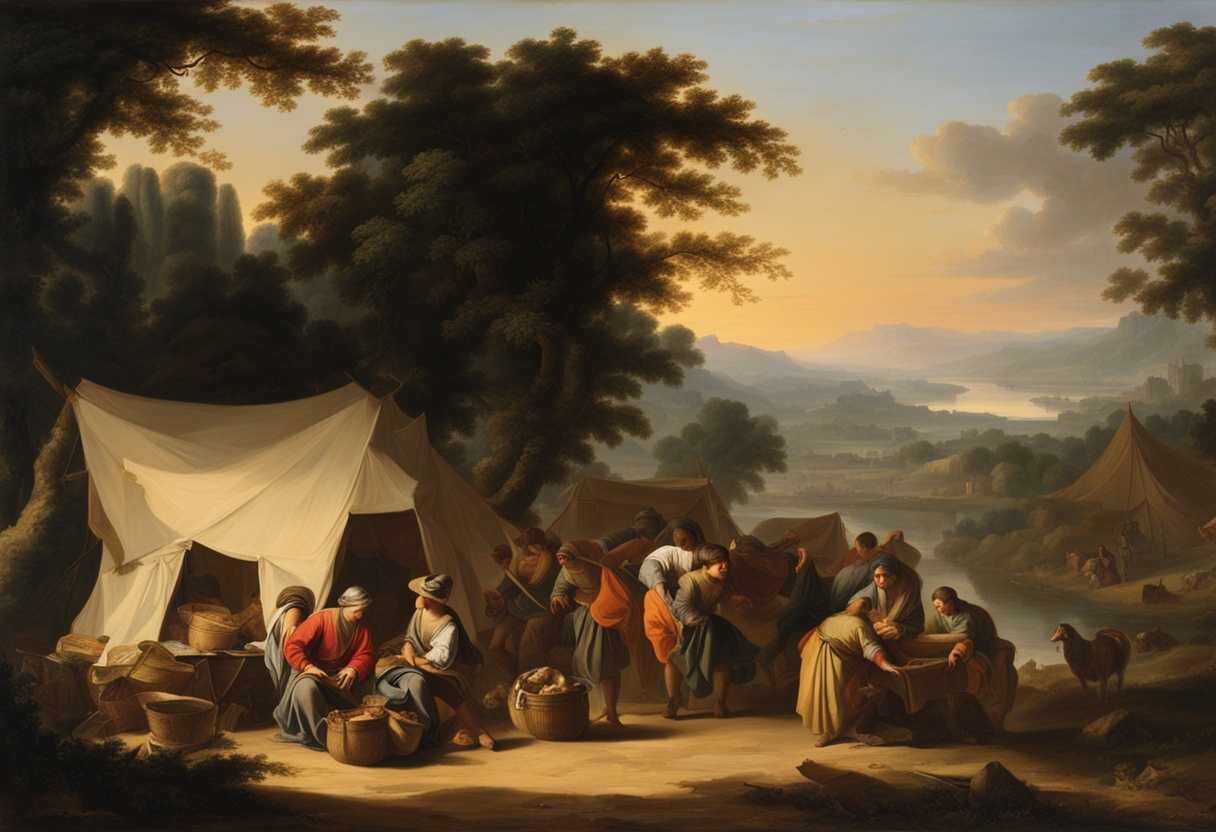
The scene described in Numbers 33:41-43 takes place during the Israelites’ journey through the wilderness after their exodus from Egypt. The Israelites, led by Moses, had just crossed the Jordan River and were encamped in the plains of Moab near the Jordan River, across from Jericho. The camp was bustling with activity as the Israelites settled in this new location.
Among the people present were Moses, Aaron, and the leaders of the tribes of Israel. They had arrived at this point in their journey after passing through various locations, including Mount Hor. The journey had been long and arduous, marked by both challenges and moments of divine intervention. The Israelites had witnessed the power of God through miracles such as the parting of the Red Sea and the provision of manna in the wilderness.
As they stood in the plains of Moab, the Israelites were on the cusp of entering the Promised Land, a land flowing with milk and honey. The scene was one of anticipation and preparation as they readied themselves to conquer the land that God had promised to their ancestors. The camp was alive with a sense of purpose and destiny as they awaited further instructions from the Lord through Moses.
What is Numbers 33:41-43 about?
This verse illustrates the physical journey of the Israelites as they traveled from Egypt to Canaan. They made stops at various locations such as Oboth, Iye-abarim, and the border of Moab as they made their way through the wilderness. These stops represent the specific places along their route, each carrying its own significance and serving as markers of their progress towards their destination. We can imagine the Israelites’ long and challenging journey through unfamiliar terrain as we reflect on this verse. Each stop would have provided a chance for them to rest, regroup, and refocus on their ultimate goal of reaching the promised land. It prompts us to consider the importance of perseverance, faith, and trust in God’s guidance, even during times of uncertainty and difficulty.
Think about the Israelites’ journey in relation to your own life. What are the “stops” along your personal journey towards your goals and aspirations? How can you draw strength and inspiration from the Israelites’ story as you navigate your own path? We too can overcome challenges and reach our desired destinations with faith and determination, just as the Israelites ultimately reached Canaan despite obstacles.
Understanding what Numbers 33:41-43 really means
The Book of Numbers, a part of the Torah, recounts the Israelites’ odyssey from Mount Sinai to the Promised Land, chronicling their 40-year sojourn in the wilderness. Numbers 33 meticulously delineates the stages of their expedition, offering a glimpse into both their physical and spiritual pilgrimage. In verses 41-43, specific encampments are highlighted, symbolizing the Israelites’ progression and evolution along their arduous path.
As the Israelites departed Mount Hor and settled at Zalmonah, a poignant moment unfolded. Mount Hor, where Aaron, the esteemed high priest, passed away, signified a pivotal juncture of transition and bereavement for the Israelites. Conversely, Zalmonah represented a fresh chapter in their expedition, embodying the perpetual flux and metamorphosis inherent in life’s journey. Each location served as a poignant reminder of the multifaceted nature of their voyage.
Subsequently, the Israelites journeyed from Zalmonah to Punon, marking another stride towards the Promised Land. Despite the adversities they faced, each encampment denoted progress and resilience amidst trials. The narrative underscores the theme of perseverance and advancement despite the formidable challenges encountered along the way.
The Israelites’ progression from Punon to Oboth underscores the unwavering faith and endurance demanded by their expedition. Oboth stands as a testament to the tenacity and steadfastness required to navigate the uncertainties and trials of the wilderness. This leg of their journey exemplifies the resilience and faithfulness essential for traversing life’s tumultuous terrains.
Drawing parallels from related biblical passages such as Exodus 13:21-22, Deuteronomy 8:2, and Hebrews 11:8-10, we glean insights into the significance of the Israelites’ journey. These scriptures illuminate God’s constant presence, the refining purpose of trials, and the essence of faith in navigating life’s vicissitudes. The Israelites’ expedition serves as a poignant allegory for our own spiritual and earthly journeys.
In contemporary life, akin to the Israelites’ expedition, our personal odysseys encompass diverse stages—be it marked by loss, transition, or progress. Each phase, orchestrated by a divine plan, contributes to our growth and purpose. By reflecting on the Israelites’ journey, we find solace and encouragement to trust in God’s providence and remain resolute in our faith through life’s myriad stages. Just as the Israelites pressed on through the wilderness, may we too persevere with unwavering faith and trust in the divine guidance that leads us through the various chapters of our lives.
How do we handle disappointment when God closes doors?
When we experience disappointment from closed doors, it’s important to remember that God’s plans for us are always perfect, even if they may not align with our own desires or expectations. We too will face obstacles and closed doors in our own lives, just as the Israelites encountered closed doors during their journey to the Promised Land. However, these closed doors are often invitations for us to trust in God’s guidance and timing, knowing that He has a greater plan in store for us.
Rather than dwell on the disappointment of closed doors, we can choose to shift our perspective and seek to understand the lessons and blessings that may come from these experiences. It is through surrendering our own plans and trusting in God’s sovereignty that we can find peace and comfort in knowing that He is always working for our good, even in the midst of closed doors. We should turn to prayer in times of disappointment, seeking wisdom and discernment to navigate the closed doors in our lives with faith and trust in God’s perfect plan.
Application
Reflect on the journey of the Israelites through the wilderness, see how God led them through uncertainty; let this inspire you. Trust in God’s plan for your life just as He guided the Israelites. Surrender your path to Him with unwavering faith. Will you commit to this journey of faith and trust Him to lead you through all challenges?

Reverend Michael Johnson is an experienced Church Minister with a profound expertise in spirituality and guidance. With a serene presence and a compassionate heart, he has faithfully served his congregation for over 20 years, leading them on a spiritual journey towards inner peace and enlightenment. Reverend Johnson’s extensive knowledge of religious philosophies and profound understanding of human nature have made him a trusted confidant and mentor to many, as he seamlessly weaves his profound wisdom into life teachings. Reverend Johnson’s calming demeanor and empathetic nature continue to uplift and heal souls, nurturing a sense of unity and tranquility within his community.