
Numbers 6:13-15 is about the process of a Nazirite completing their vow by bringing specific offerings to the Lord, symbolizing their dedication and consecration to God.
13 “And this is the law for the Nazirite, when the time of his separation has been completed: he shall be brought to the entrance of the tent of meeting,”
14 and he shall bring his offering to the Lord, one male lamb a year old without blemish for a burnt offering, and one ewe lamb a year old without blemish as a sin offering, and one ram without blemish as a peace offering,
15 and a basket of unleavened bread, loaves of fine flour mixed with oil, and unleavened wafers smeared with oil, and their grain offering and their drink offerings.
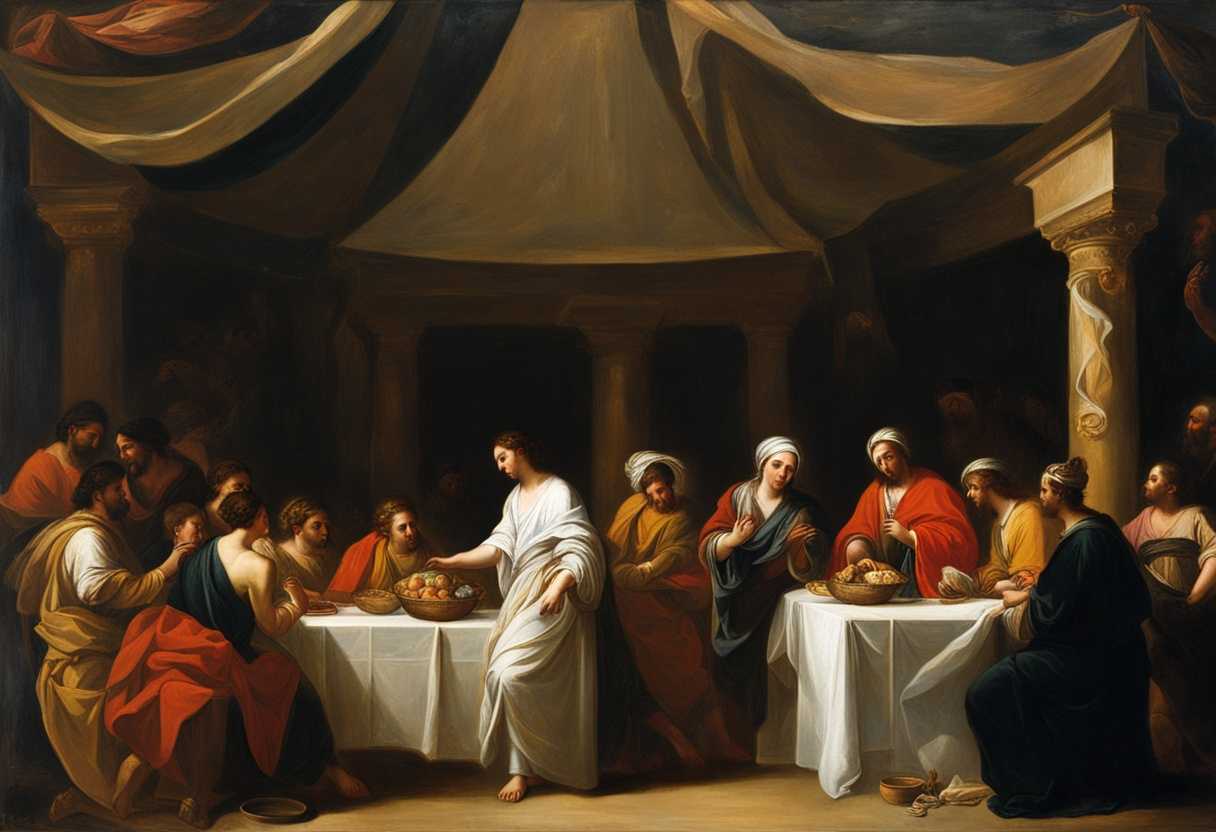
Setting the Scene for Numbers 6:13-15
In Numbers chapter 6, we find the scene set in the camp of the Israelites during their journey through the wilderness. The Israelites have been wandering for some time now, following the instructions and laws given to them by Moses. As they settle in their camp, a group of individuals, including Moses, Aaron, and the priests, gather together for a special occasion.
The occasion is the consecration of the Nazirites, individuals who have taken a vow to dedicate themselves to the Lord for a specific period of time. The Nazirites have completed their vow, and now it is time for them to offer their sacrifices and be released from their vow. Moses, as the leader of the Israelites, oversees the ceremony, while Aaron and the priests assist in the rituals and offerings.
The surroundings are typical of the Israelite camp in the wilderness – tents pitched in rows, the tabernacle at the center, and the altar for sacrifices nearby. The atmosphere is solemn yet celebratory as the Nazirites prepare to complete their vow and return to their normal way of life. The scene is filled with the sounds of prayers, the smell of incense, and the sight of the people coming together in worship and obedience to God’s commands.
What is Numbers 6:13-15 about?
The conclusion of the Nazirite vow in Numbers 6:13-15 shows a period of dedication to God that involved abstaining from certain activities as a sign of devotion. The instructions given in these verses outline the process for the Nazirite to bring offerings to the Lord after completing their vow. This act of offering symbolizes gratitude and commitment to God for the strength and discipline to fulfill the vow. It is a way for the Nazirite to express their reverence and thanksgiving for the journey they have embarked on to deepen their faith and draw closer to God. We can consider the significance of making offerings to God as a form of worship and acknowledgment of His role in our lives as we reflect on these verses. It prompts us to think about the vows and commitments we make in our own spiritual journeys and how we can express our gratitude and devotion to God. What offerings do we bring to the Lord in our lives, whether they be acts of service, sacrifices of our time and resources, or simply words of praise and thanksgiving? How can we emulate the dedication and obedience of the Nazirite in honoring our commitments to God and deepening our relationship with Him? Let us ponder on these questions and strive to offer ourselves wholeheartedly to the Lord in worship and service.
Understanding what Numbers 6:13-15 really means
The passage in Numbers 6:13-15 delves into the realm of the Nazirite vow, a sacred commitment individuals made to consecrate themselves to God for a specific period. This vow was a tangible expression of devotion and separation unto the Lord, embodying a deep spiritual dedication. The rituals and offerings prescribed in these verses marked the conclusion of this solemn vow, signifying the fulfillment of a profound spiritual journey.
“When the period of their dedication is over,” encapsulates the culmination of a significant spiritual endeavor. It highlights the importance of setting aside dedicated times for spiritual growth and reflection, underlining the value of intentional commitment in one’s relationship with God. The phrase serves as a reminder that seasons of consecration and devotion have a defined endpoint, prompting individuals to reflect on their journey and the faithfulness of God throughout.
“They are to be brought to the entrance to the tent of meeting,” emphasizes the communal aspect of spiritual practices. It underscores the significance of public acknowledgment and community involvement in one’s spiritual journey. This communal aspect reminds us that our faith is not meant to be lived out in isolation but in fellowship with others, where mutual support and encouragement play a vital role in our spiritual growth.
“They are to present their offerings to the Lord,” symbolizes the act of giving back to God as an expression of gratitude and worship. This act of offering signifies a heart of thanksgiving and acknowledges God’s sovereignty over every aspect of our lives. It serves as a tangible demonstration of our love and devotion to the Lord, recognizing His provision and faithfulness throughout our spiritual journey.
In contemporary times, the principles embodied in the Nazirite vow can still resonate with believers. The idea of dedicating oneself to God for a specific period finds parallels in modern spiritual practices like fasting, retreats, or intentional seasons of prayer. Such practices can deepen our spiritual walk, fostering a greater sense of intimacy with God and a heightened awareness of His presence in our lives.
Consider Sarah, a young woman who commits a year to mission work, mirroring the principles of dedication, community involvement, and offering seen in the Nazirite vow. Her intentional sacrifice and service reflect a modern-day application of ancient spiritual practices, showcasing the enduring relevance of consecration and devotion in contemporary faith journeys. By reflecting on the timeless truths encapsulated in Numbers 6:13-15, we can glean valuable insights for our own spiritual lives, drawing inspiration from the dedication and commitment exemplified by those who have gone before us.
How can we maintain holiness in our daily lives?
To maintain holiness in our daily lives, we can take inspiration from Numbers 6:13-15 and the instructions given in those verses. We should guard our thoughts, words, and actions to ensure they are in line with what is pure and pleasing to the Lord. It is important to consecrate ourselves and set ourselves apart from worldly influences by seeking God’s presence through prayer, meditation, and studying His word.
Additionally, we can practice self-discipline and avoid engaging in behaviors or activities that compromise our holiness. We can strive to live a life that reflects the holiness of God by surrounding ourselves with likeminded individuals who encourage us in our faith and holding each other accountable. Maintaining holiness ultimately requires individuals to make a conscious effort to walk in obedience to God’s commands and rely on His strength and guidance each day.
Application
Embrace the spirit of dedication shown by the Levites in your own life. Commit yourself to serving God wholeheartedly, just as they did. Prioritize your relationship with Him above all else, following His commandments and doing His work. Let your actions speak louder than words as you walk in obedience to His will. How will you show your commitment to serving the Lord today?

Reverend Michael Johnson is an experienced Church Minister with a profound expertise in spirituality and guidance. With a serene presence and a compassionate heart, he has faithfully served his congregation for over 20 years, leading them on a spiritual journey towards inner peace and enlightenment. Reverend Johnson’s extensive knowledge of religious philosophies and profound understanding of human nature have made him a trusted confidant and mentor to many, as he seamlessly weaves his profound wisdom into life teachings. Reverend Johnson’s calming demeanor and empathetic nature continue to uplift and heal souls, nurturing a sense of unity and tranquility within his community.