
1 And the Lord spoke to Moses, saying,
2 “Speak to the people of Israel and say to them, When either a man or a woman makes a special vow, the vow of a Nazirite, to separate himself to the Lord,
3 he shall separate himself from wine and strong drink.
4 All the days of his separation he shall eat nothing that is produced by the grapevine, not even the seeds or the skins.
5 “All the days of his vow of separation, no razor shall touch his head. Until the time is completed for which he separates himself to the Lord, he shall be holy. He shall let the locks of hair of his head grow long.
6 “All the days that he separates himself to the Lord he shall not go near a dead body.
7 He shall not make himself unclean for his father or for his mother, for his brother or his sister, when they die, because his separation to God is on his head.
8 All the days of his separation he is holy to the Lord.
9 “And if any man dies very suddenly beside him and he defiles his consecrated head, then he shall shave his head on the day of his cleansing; on the seventh day he shall shave it.
10 And on the eighth day he shall bring two turtledoves or two pigeons to the priest to the entrance of the tent of meeting.
11 And the priest shall offer one for a sin offering and the other for a burnt offering, and make atonement for him, because he sinned by reason of the dead body. And he shall consecrate his head that same day,
12 And he shall separate himself to the Lord for the days of his separation and bring a male lamb a year old for a guilt offering. But the previous days shall be void, because his separation was defiled.
13 “And this is the law for the Nazirite, when the time of his separation has been completed: he shall be brought to the entrance of the tent of meeting,”
14 and he shall bring his offering to the Lord, one male lamb a year old without blemish for a burnt offering, and one ewe lamb a year old without blemish as a sin offering, and one ram without blemish as a peace offering,
15 and a basket of unleavened bread, loaves of fine flour mixed with oil, and unleavened wafers smeared with oil, and their grain offering and their drink offerings.
16 “And the priest shall bring them before the Lord and offer his sin offering and his burnt offering,”
17 And he shall offer the ram as a sacrifice of peace offering to the Lord, with the basket of unleavened bread. The priest shall offer also its grain offering and its drink offering.
18 And the Nazirite shall shave his consecrated head at the entrance of the tent of meeting and shall take the hair from his consecrated head and put it on the fire that is under the sacrifice of the peace offering.
19 And the priest shall take the shoulder of the ram, when it is boiled, and one unleavened loaf out of the basket and one unleavened wafer, and shall put them on the hands of the Nazirite after he has shaved the hair of his consecration.
20 And the priest shall wave them for a wave offering before the Lord. They are a holy portion for the priest, together with the breast that is waved and the thigh that is contributed. And after that the Nazirite may drink wine.
21 “This is the law of the Nazirite. On the day when the period of his separation is over, he shall be brought to the entrance of the tent of meeting,
24 The Lord bless you and keep you;
24 The Lord bless you and keep you;
24 The Lord bless you and keep you;
25 the Lord make his face to shine upon you and be gracious to you;
26 The Lord lift up his countenance upon you and give you peace.
27 “So shall they put my name upon the people of Israel, and I will bless them.”
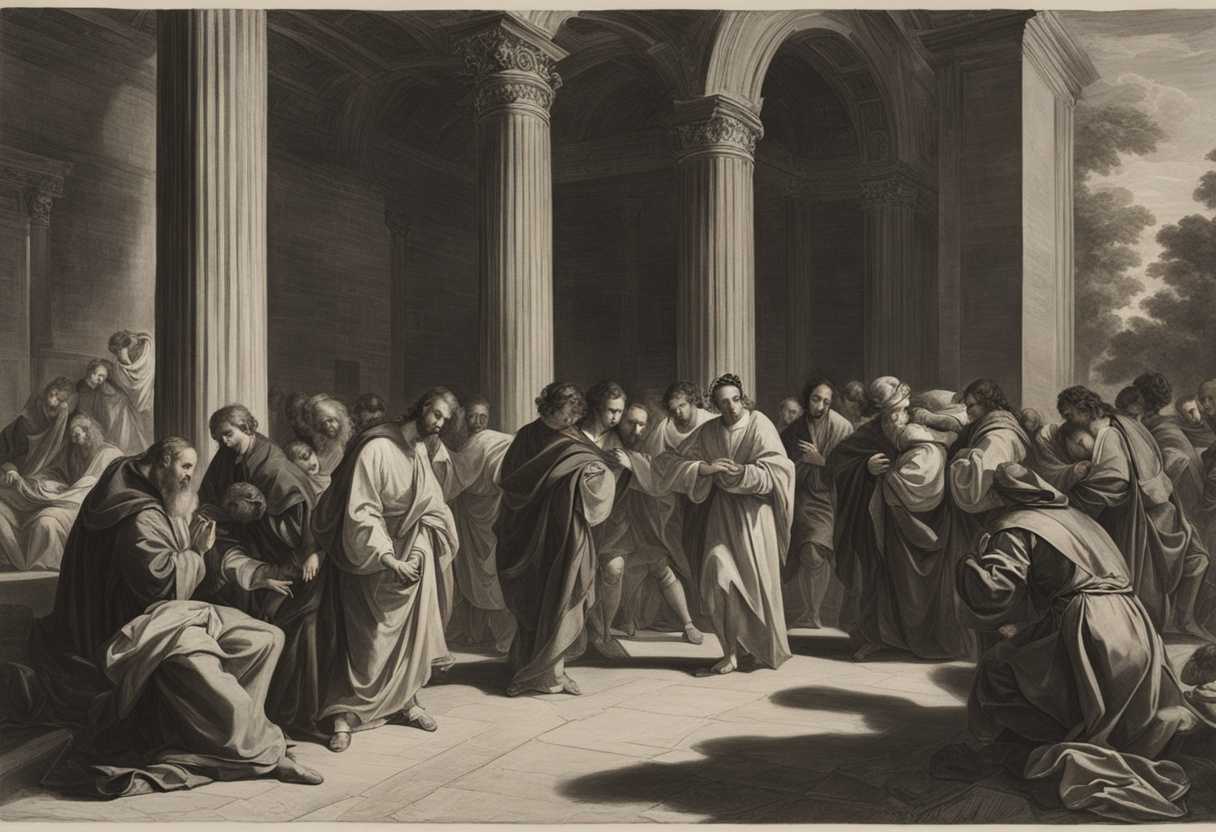
The True Meaning of Numbers 6
The Book of Numbers, the fourth book of the Pentateuch, was written by Moses, the great prophet and leader of the Israelites. This book chronicles the journey of the Israelites through the wilderness, including the census and organization of the people, as the name suggests. We will explore the laws regarding the Nazirite vow in this chapter, a special dedication to God that involved specific rules and restrictions. This vow was a voluntary commitment, and those who took it were set apart for a period of time to serve the Lord in a unique way. The chapter also provides guidance on how to handle the completion of the Nazirite vow and the blessings that were to be pronounced over the people.
The Nazirite vow is mentioned in other parts of the Bible, such as in the story of Samson (Judges 13-16), where we see the importance of this commitment and the consequences of breaking it. As we delve into this chapter, we will gain a deeper understanding of the significance of this vow and its role in the lives of the Israelites during their wilderness journey.
Numbers 6:1-4
Numbers 6:1-4 states, “Then the Lord said to Moses, ‘Speak to the Israelites and say to them: “If a man or woman wants to make a special vow, a vow of dedication to the Lord as a Nazirite, they must abstain from wine and other fermented drink and must not drink vinegar made from wine or other fermented drink. They must not drink grape juice or eat grapes or raisins. They must not eat anything that comes from the grapevine, not even the seeds or skins, as long as they remain under their Nazirite vow.”. The establishment of the Nazirite vow, which was a voluntary vow of consecration to the Lord, is seen in these verses. Individuals who took this vow would separate themselves to God for a specific period of time, during which they would abstain from certain things, such as wine, grape products, and anything associated with the grapevine. This vow was a way for individuals to show their dedication and commitment to the Lord through a period of special devotion.
The Nazirite vow is a powerful symbol of self-discipline and devotion to God. Individuals committing to this vow were choosing to set themselves apart for God’s service, demonstrating their willingness to obey His commands and regulations. This act of consecration echoes the broader theme of holiness and sanctification that permeates the Bible. Throughout scripture, we see God calling His people to be holy as He is holy (Leviticus 20:7), and the Nazirite vow was one way in which individuals could actively pursue this holiness.
The restrictions outlined in the Nazirite vow, particularly the abstention from wine and grape products, symbolize a separation from worldly pleasures and a dedication to spiritual pursuits. Nazirites showed their willingness to prioritize their relationship with God above all else by avoiding these everyday luxuries. This act of self-denial and sacrifice is a recurring theme in the Bible, with Jesus Himself instructing His followers to take up their cross and follow Him (Matthew 16:24). Individuals like John the Baptist, who was set apart for God’s service from birth (Luke 1:15), show parallels to the Nazirite vow in the New Testament. John lived a life of austerity and self-denial, much like a Nazirite, as he prepared the way for the coming Messiah. The Nazirite vow foreshadowed the consecrated life that believers are called to lead under the new covenant, where our bodies are temples of the Holy Spirit (1 Corinthians 6:19-20) and our lives are to be lived in service to God. Numbers 6:1-4 serves as a reminder of the importance of consecration and dedication in our walk with the Lord. Just as the Nazirites set themselves apart for God’s service through their vow, we are called to live lives that are pleasing and holy unto Him, bringing glory to His name in all that we do.
Numbers 6:5-8
Numbers 6:5-8 reads, “All the days of their vow of separation, no razor shall come upon their head; until the days are fulfilled for which he separates himself to the Lord, he shall be holy. Then he shall let the locks of the hair of his head grow. All the days that he separates himself to the Lord, he shall not go near a dead body. He shall not make himself unclean even for his father or for his mother, for his brother or for his sister, when they die, because his separation to God is on his head. Instructions for those who take a Nazirite vow, a form of consecration to the Lord for a set period of time, are seen in this passage. One of the most notable figures who took a Nazirite vow in the Bible is Samson, whose story is told in the book of Judges. Samson’s long hair was a symbol of his vow to God, and it was a source of his strength. However, when he broke his vow by allowing his hair to be cut, he lost that strength. This serves as a powerful reminder of the importance of staying true to our commitments to God.
The idea of not going near a dead body during the period of separation signifies a total dedication to God, even in the face of loss and mourning. This emphasizes the need for spiritual purity and separation from worldly influences during this time of consecration. While the commandment may seem extreme, it underscores the call for undivided devotion to the Lord above all else.
Furthermore, the passage emphasizes that the vow to the Lord takes priority over even family relationships. This does not mean disregarding or dishonoring family, as honoring parents is a core value in the Bible. However, it highlights the ultimate importance of honoring God above all else. Jesus himself reiterated this principle in Matthew 10:37 when he said, “Anyone who loves their father or mother more than me is not worthy of me; anyone who loves their son or daughter more than me is not worthy of me.” This echoes the sentiment of putting God first in our lives. Numbers 6:5-8 presents the concept of dedication and consecration to the Lord, emphasizing the importance of keeping vows, being set apart for God’s purposes, and prioritizing our relationship with Him above all other commitments. It serves as a reminder for us to examine our own lives and consider where our allegiances lie, challenging us to wholeheartedly devote ourselves to the Lord.
Numbers 6:9-12
Numbers 6:9-12 says, “If someone dies suddenly in the Nazirite’s presence, thus defiling the hair that symbolizes their dedication, they must shave their head on the seventh day—the day of their cleansing. Then on the eighth day they must bring two doves or two young pigeons to the priest at the entrance to the tent of meeting. The priest is to offer one as a sin offering and the other as a burnt offering to make atonement for the Nazirite because they sinned by being in the presence of the dead body. That same day they are to consecrate their head again. They must rededicate themselves to the Lord for the same period of dedication that they originally vowed, and must bring a one-year-old male lamb for a guilt offering. The previous days do not count because they became defiled during their period of dedication. The section of Numbers 6 outlines the specific procedures to be followed if a Nazirite inadvertently comes into contact with a dead body, which would defile their vow of consecration and dedication to God. The Nazirite was someone who took a vow to dedicate themselves to the Lord for a specific period of time, refraining from certain things like cutting their hair and consuming alcohol. If they were to become unclean by being near a dead body during their vow, they had to undergo a process of purification and recommittal to their vow.
This passage serves as a reminder of the seriousness of making vows and commitments to God. It shows that even in the case of an unintentional violation of a vow, there are steps to be taken to rectify the situation and to recommit oneself to God. It underscores the importance of purity and holiness in the service of the Lord.
The procedures outlined in Numbers 6:9-12 also point towards the need for atonement for sin. The offerings of doves or pigeons, along with the sin offering and burnt offering to the priest, were meant to cleanse the Nazirite from their unintentional sin and to make atonement for their defilement. This foreshadows the ultimate atonement that would be provided through the sacrifice of Jesus Christ on the cross for the sins of all humanity.
This passage also highlights the concept of consecration and rededication. The Nazirite who had become defiled was called to rededicate themselves to the Lord for the same period of dedication that they had originally vowed. This act of rededication emphasizes the need for continual commitment and devotion to God, even in the face of challenges and failures. It encourages us to reflect on our own commitment to the Lord and to seek His forgiveness and renewal when we fall short. Rituals and sacrifices are a central part of the Israelites’ worship and relationship with God in the broader context of the Bible, where the idea of consecration and purification is prevalent throughout the Old Testament. These practices point towards the ultimate sacrifice of Jesus Christ, who is the perfect Lamb of God that takes away the sins of the world (John 1:29). The principles of dedication, atonement, and rededication seen in Numbers 6:9-12 continue to be relevant for believers today, reminding us of the importance of maintaining purity, seeking forgiveness, and renewing our commitment to the Lord.
Numbers 6:13-15
The verses in Numbers 6:13-15 outline the specific offerings that an individual must bring to the Lord upon the completion of their Nazirite vow. The Nazirites were individuals who took a vow to separate themselves unto the Lord for a specified period, during which they abstained from wine, avoided touching dead bodies, and allowed their hair to grow long as a sign of their consecration. This period of separation was voluntary and temporary, and upon its completion, the Nazirite had to fulfill certain obligations as described in these verses.
The individual who had completed their Nazirite vow was required to bring three offerings to the entrance of the tent of meeting: a male lamb for a burnt offering, a ewe lamb for a sin offering, and a ram without defect for a peace offering. These offerings symbolized various aspects of the worshipper’s relationship with God. The burnt offering signified complete surrender and dedication to God, the sin offering served as atonement for any unintentional sins committed during the vow period, and the peace offering represented reconciliation and fellowship with God.
These offerings also point to the ultimate sacrifice of Jesus Christ on the cross. Jesus is often referred to as the “Lamb of God” in the New Testament, a title that harkens back to the sacrificial system in the Old Testament. The idea of atonement for sins through the shedding of blood was central to the Israelite sacrificial system, but Jesus’ sacrifice once and for all fulfilled the requirements of the Law and provided eternal redemption for all who believe in Him.
The completion of the Nazirite vow and the offering of sacrifices emphasized the importance of fulfilling one’s commitments to God and honoring Him with offerings of gratitude and worship. Just as the Nazirites made a voluntary choice to consecrate themselves to the Lord, Christians are called to dedicate their lives to God, living holy and set-apart lives that bring honor and glory to His name. This passage serves as a reminder of the significance of fulfilling vows made to God and the importance of worship and obedience in the life of a believer.
Numbers 6:16-21
God gives Moses a set of instructions in Numbers 6:16-21 for consecrating individuals as Nazirites. Nazirites were individuals who took a vow to separate themselves to the Lord for a period of time. The key components of this passage include offering sacrifices at the tabernacle, shaving the head of the Nazirite at the entrance of the tent of meeting, and the distribution and presentation of various offerings.
Firstly, it is essential to discuss the concept of a Nazirite vow. This vow was a voluntary commitment undertaken by individuals to demonstrate their dedication and devotion to the Lord. Nazirites aimed to live a life of holiness and set themselves apart for God by abstaining from certain things like cutting their hair, consuming alcohol, and avoiding contact with the dead. This act of consecration through a vow reflects the importance of personal commitment and sacrifice in one’s relationship with God.
The act of offering sacrifices at the tabernacle was significant as it symbolized the offering of oneself to God. The Israelites in the Bible commonly used sacrifices to seek forgiveness, show gratitude, or dedicate themselves to God. The Nazirite expressed their desire to be in a closer relationship with the Lord and sought His favor by bringing offerings.
Shaving the head of the Nazirite at the entrance of the tent of meeting had both symbolic and practical implications. Symbolically, it represented a fresh start or renewal of commitment to God. The act of shaving the head also signified a visible sign of the Nazirite’s consecration and separation from the world. This physical change served as a reminder of their vow and the importance of living a life dedicated to God’s service.
Furthermore, the distribution and presentation of various offerings, such as a lamb as a guilt offering, a ram as a burnt offering, and a basket of unleavened bread, further emphasized the importance of sacrifice and dedication in the Nazirite’s vow. These offerings were meant to be a tangible expression of the Nazirite’s commitment to God and a way to seek His blessing and favor. The instructions given in Numbers 6:16-21 highlight the significance of personal consecration, sacrifice, and dedication in one’s walk with God. Through the example of the Nazirites, we are reminded of the value of making intentional commitments to God, setting ourselves apart for His service, and seeking to live a life that is pleasing to Him. This passage underscores the timeless message of the importance of holiness, obedience, and worship in the life of a believer, as seen through various stories and teachings throughout the Bible, such as in Leviticus and the narratives of individuals like Samson, Samuel, and John the Baptist, who were Nazirites or lived dedicated lives to fulfill God’s purposes.
Numbers 6:22-27
The notable passage known as the Aaronic Blessing or the Priestly Blessing is found in Numbers 6:22-27. This blessing was to be pronounced by Aaron and his sons, the priests, over the Israelites. It is a powerful blessing that is filled with meaning and significance for the people of Israel, and it continues to hold deep spiritual meaning for believers today.
Starting with verse 22, “The Lord said to Moses,” we see the divine origin of the blessing. The words that follow are not merely from Moses or Aaron but are directly from God Himself. This fact underscores the importance and potency of the blessing that is about to be conveyed. The Lord is instructing Moses on how Aaron and his sons are to bless the Israelites, affirming that this blessing carries divine authority and power.
Moving on to verse 23, “Tell Aaron and his sons, ‘This is how you are to bless the Israelites. Say to them,’” sets the stage for the actual content of the blessing. The priests were to speak these words over the people as a means of invoking God’s favor, protection, and provision upon them. This divine blessing was not to be taken lightly, as it symbolized the intimate relationship between God and His chosen people.
Verse 24 contains the actual blessing: “The Lord bless you and keep you. We see the heart of God for His people in this short and concise statement. He desires to bestow His blessings upon them and ensure their protection and well-being. The idea of God blessing and keeping His people is a recurring theme throughout the Bible, emphasizing His faithfulness and care towards those who belong to Him.
Verse 25 continues the blessing with, “The Lord make his face shine on you and be gracious to you.” This imagery of God’s face shining upon His people denotes His favor, approval, and kindness towards them. It speaks of God’s presence and favor resting on His beloved, bringing them joy, peace, and blessing. The concept of God’s face shining upon His people also appears in Psalm 67:1, reinforcing the idea of God’s favor and blessing being poured out abundantly.
The blessing closes in verse 26 with, “The Lord turn his face toward you and give you peace.” Here, the focus shifts to God’s disposition towards His people. When God turns His face towards His people, it signifies His attention, affection, and goodwill towards them. His desire is to grant them peace, not just the absence of conflict but a sense of wholeness, completeness, and well-being that can only come from Him. This echoes the sentiment expressed in Psalm 29:11, where it is stated that the Lord blesses His people with peace.
Verse 27 concludes the Aaronic Blessing by declaring, “So they will put my name on the Israelites, and I will bless them. God was placing His name upon the Israelites by bestowing this blessing through the priests. This act signified ownership, protection, and intimate relationship between God and His chosen people. The Israelites were set apart as God’s special possession by having His name placed upon them, and as a result, they would receive His continuous blessings and favor. The Aaronic Blessing found in Numbers 6:22-27 declares God’s love, provision, protection, and peace upon His people in a profound way. It reminds us of God’s desire to bless and care for those who belong to Him, and it serves as a timeless message of hope and assurance for believers today. The blessing conveyed through the priests in the Old Testament finds its ultimate fulfillment in Jesus Christ, who is the High Priest that intercedes for us before God (Hebrews 4:14-16). Believers can take comfort in knowing that they are recipients of God’s eternal blessings and grace, thanks to the sacrificial work of Jesus on the cross.
After Numbers 6
The Nazarite vow had been a sacred tradition for generations, a solemn promise to dedicate oneself fully to the Lord. The people were reminded of the blessings that would follow those who upheld this covenant as the chapter drew to a close. The priests were instructed to pronounce a powerful benediction, invoking the Lord’s protection and favor upon the faithful.
With this final blessing, the stage was set for the next chapter. The Israelites, having reaffirmed their commitment to God, now stood poised to embark on a new journey, one that would test their resolve and their faith in the years to come. The road ahead would not be easy, but the Lord’s promise of guidance and provision would sustain them, if only they remained steadfast in their devotion.

Reverend Michael Johnson is an experienced Church Minister with a profound expertise in spirituality and guidance. With a serene presence and a compassionate heart, he has faithfully served his congregation for over 20 years, leading them on a spiritual journey towards inner peace and enlightenment. Reverend Johnson’s extensive knowledge of religious philosophies and profound understanding of human nature have made him a trusted confidant and mentor to many, as he seamlessly weaves his profound wisdom into life teachings. Reverend Johnson’s calming demeanor and empathetic nature continue to uplift and heal souls, nurturing a sense of unity and tranquility within his community.