
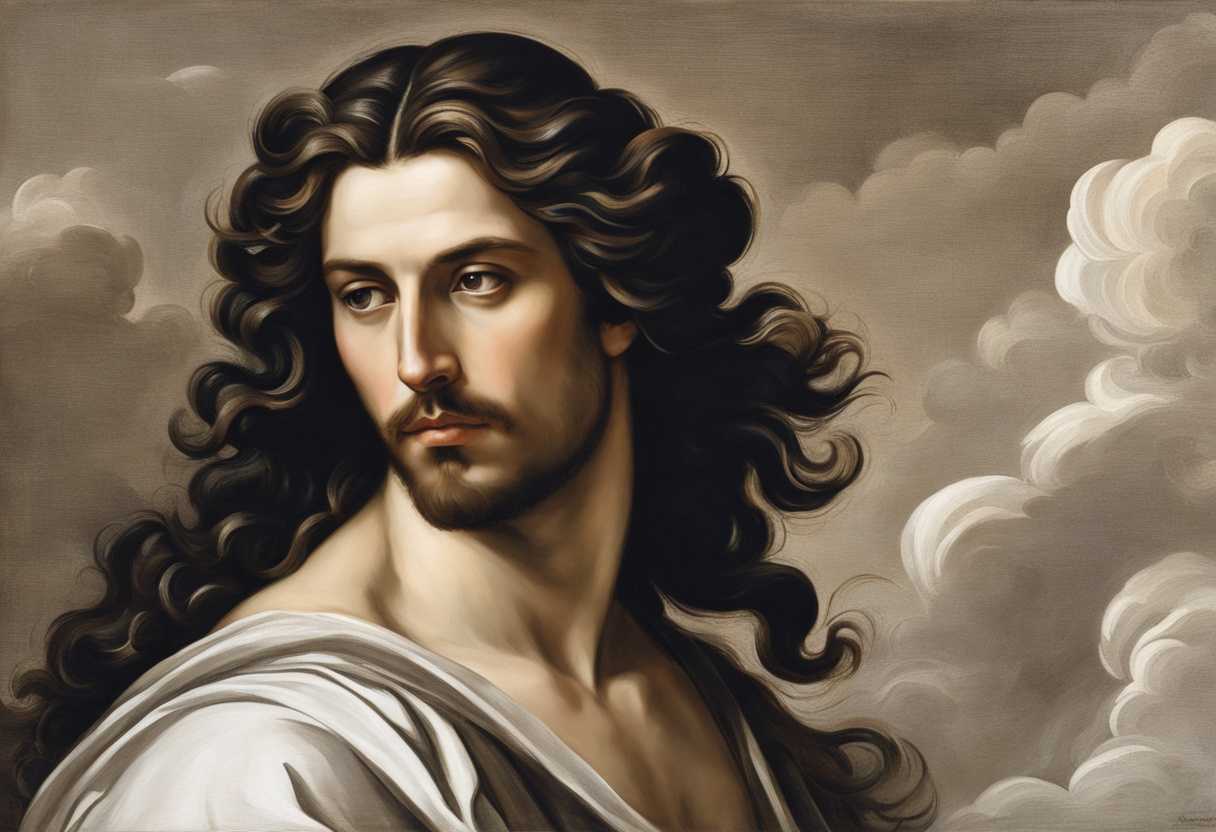
Numbers 6:5-8 is about the Nazirite vow, wherein individuals voluntarily set themselves apart for a period of time to dedicate themselves to the Lord, refraining from consuming any grape products, avoiding contact with dead bodies, and allowing their hair to grow long as a symbol of their commitment and consecration.
5 “All the days of his vow of separation, no razor shall touch his head. Until the time is completed for which he separates himself to the Lord, he shall be holy. He shall let the locks of hair of his head grow long.
6 “All the days that he separates himself to the Lord he shall not go near a dead body.
7 He shall not make himself unclean for his father or for his mother, for his brother or his sister, when they die, because his separation to God is on his head.
8 All the days of his separation he is holy to the Lord.
Setting the Scene for Numbers 6:5-8
In Numbers chapter 6, we find ourselves in the camp of the Israelites as they journey through the wilderness. The scene is set near the Tabernacle, the sacred tent where God’s presence dwells among His people. The air is filled with the scent of incense and the sound of prayers being lifted up to the heavens.
Moses, the revered leader of the Israelites, is standing before a group of Nazirites who have taken a vow of consecration to the Lord. These individuals have chosen to set themselves apart for a period of time, abstaining from wine and any product of the grapevine, refraining from cutting their hair, and avoiding contact with the dead. They are seeking a deeper level of holiness and dedication to God.
Surrounded by the dust of the desert and the hum of the camp, Moses instructs the Nazirites on the rituals they must perform to fulfill their vow. As they listen intently, the sun beats down on them, a constant reminder of God’s presence and protection as they continue their journey towards the Promised Land.
What is Numbers 6:5-8 about?
The verse lays out the practice of taking a Nazirite vow. This vow involves committing oneself to a period of dedication and consecration to the Lord by abstaining from certain things. This vow includes refraining from consuming wine or any grape products, avoiding cutting one’s hair, and being devoted entirely to God during this period. The Nazirite vow is a voluntary act of devotion and dedication, with individuals choosing to set themselves apart for a specific period of time as an expression of their commitment to God.
Imagine someone making the decision to take a Nazirite vow. It involves sacrifices and discipline, as they willingly give up things like enjoying wine or cutting their hair as an outward sign of their inner commitment to God. They are declaring their desire to draw closer to God and live a life of holiness and consecration by taking on this vow. Reflect on how this ancient practice can inspire us today to make intentional choices to deepen our relationship with God and live in a way that reflects our faith and values.
Understanding what Numbers 6:5-8 really means
These verses from Numbers 6:5-8 are part of the Nazirite vow, a special commitment made by individuals to dedicate themselves to God for a specific period. The vow includes abstaining from wine and other fermented drink, not cutting one’s hair, and avoiding contact with dead bodies. This vow was a visible sign of the individual’s dedication and separation to God, with uncut hair serving as a constant reminder of their commitment to God’s service. The phrase “He shall be holy” emphasizes the sanctity and set-apart nature of the individual during the period of the vow, highlighting their consecration to God.
In Judges 13:5, the angel of the Lord tells Samson’s mother that her son will be a Nazirite from birth, showcasing the lifelong commitment and special purpose God has for him. Similarly, in 1 Samuel 1:11, Hannah vows to dedicate her son to the Lord all the days of his life, providing another example of a Nazirite vow. Even in the New Testament, Acts 18:18 shows Paul taking a Nazirite vow, indicating that this practice continued and was observed by early Christians.
While the specific practices of the Nazirite vow may not be common today, the concept of dedicating oneself to God remains relevant. In a world full of distractions and temptations, committing to live a holy and dedicated life can be a powerful testimony and a source of personal spiritual growth. For instance, a modern-day individual fasting from social media to focus on their relationship with God mirrors the Nazirite vow by setting aside distractions to deepen their spiritual life and hear God’s voice more clearly.
The Nazirite vow, with its specific requirements and visible signs, serves as a powerful reminder of the importance of dedication and holiness in our relationship with God. By understanding and applying the principles behind these ancient practices, we can find ways to set ourselves apart for God’s service in our own lives today. Just as the Nazirites dedicated themselves to God in ancient times, we too can commit to living a life that reflects our dedication to Him, even in the midst of a world filled with distractions and challenges.
How can we fully devote ourselves to God?
To fully devote ourselves to God, we can follow the instructions given in the verses you referenced. This includes abstaining from certain things that may hinder our spiritual focus, such as avoiding wine and other fermented drinks. We are making a deliberate effort to prioritize our commitment to God above all else by consciously choosing to set aside these distractions. Additionally, we can ensure that our appearance and actions reflect our dedication to God by maintaining a sense of purity and consecration in all that we do.
Furthermore, we can show our devotion to God by making specific vows or commitments to Him, dedicating our time, resources, and talents to His service. We solidify our commitment and strengthen our resolve to walk in alignment with His will by verbally expressing our intentions and promises to the Lord. This act of consecration not only honors God but also serves as a personal reminder of our desire to wholeheartedly serve Him in every aspect of our lives. We can fully devote ourselves to God and live a life that glorifies Him in all that we say and do by following these principles and practices.
Application
Let’s embody the unwavering dedication of the Nazirite from Numbers 6:5-8. Let’s keep our promises to God with passion and loyalty. Let’s live a life marked by purity and righteousness, just like the Nazirite. Will you rise to the occasion, reaffirm your dedication to God, and walk steadfastly in His path?

Reverend Michael Johnson is an experienced Church Minister with a profound expertise in spirituality and guidance. With a serene presence and a compassionate heart, he has faithfully served his congregation for over 20 years, leading them on a spiritual journey towards inner peace and enlightenment. Reverend Johnson’s extensive knowledge of religious philosophies and profound understanding of human nature have made him a trusted confidant and mentor to many, as he seamlessly weaves his profound wisdom into life teachings. Reverend Johnson’s calming demeanor and empathetic nature continue to uplift and heal souls, nurturing a sense of unity and tranquility within his community.