
Numbers 7:1-9 is about the twelve leaders of the Israelite tribes presenting offerings at the dedication of the altar, symbolizing the unity and commitment of the tribes to worship and serve the Lord together.
1 On the day when Moses had finished setting up the tabernacle and had anointed and consecrated it with all its furnishings and had anointed and consecrated the altar,
2 the chiefs of Israel, heads of their fathers’ houses, who were the chiefs of the tribes, who were over those who were listed, offered
3 and they brought their offering before the Lord, six wagons and twelve oxen, a wagon for every two of the chiefs, and for each one an ox. They brought them before the tabernacle.
4 The Lord spoke to Moses, saying,
5 the Lord spoke to Moses, saying:
6 So Moses took the wagons and the oxen and gave them to the Levites.
7 Two wagons and four oxen he gave to the sons of Gershon, according to their service,
8 And he gave the two carts and the four oxen to the sons of Gershon, according to their service.
9 But to the sons of Kohath he gave none, because they were charged with the service of the holy things that had to be carried on the shoulder.
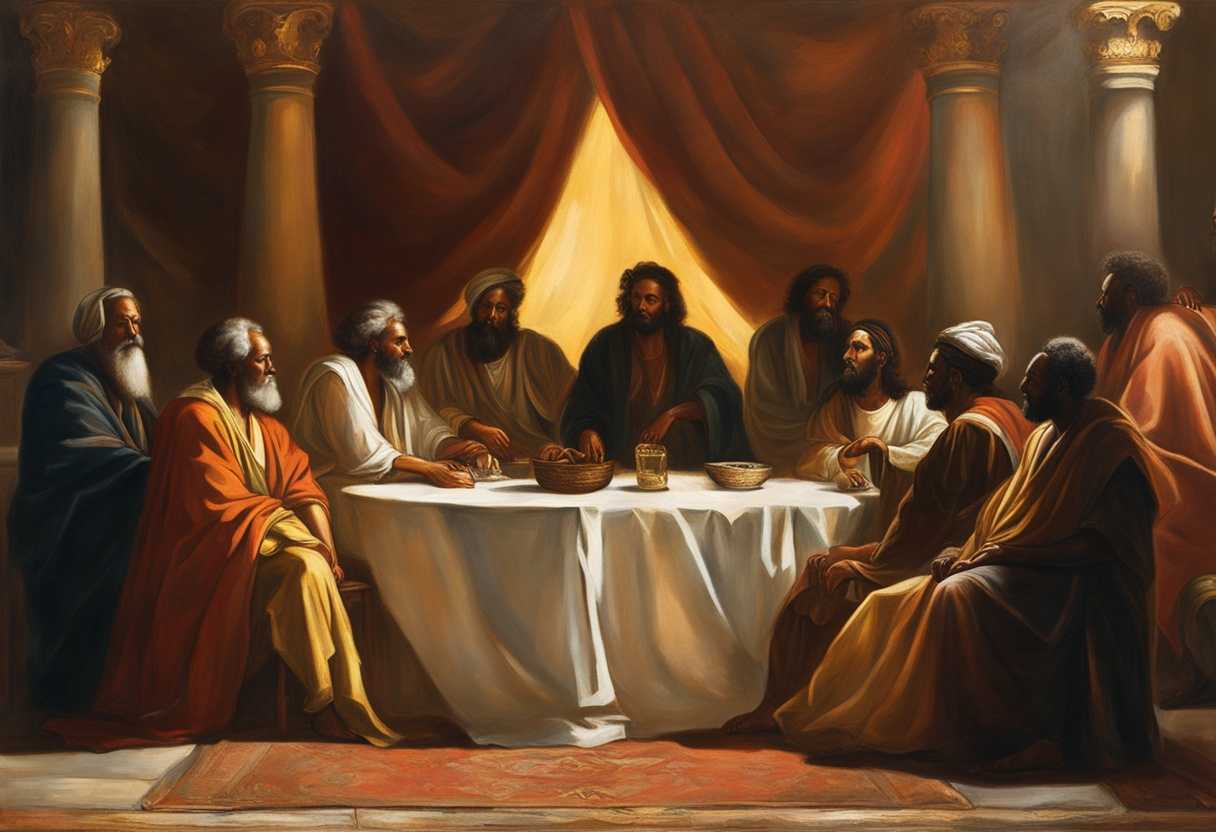
Setting the Scene for Numbers 7:1-9
In Numbers chapter 7, the scene is set at the foot of Mount Sinai, where the Israelites have set up camp after their exodus from Egypt. The tabernacle, a sacred tent where God’s presence dwells, is also located there. The twelve tribes of Israel have been organized around the tabernacle, each with their designated position and responsibilities.
As the chapter unfolds, we see the leaders of each tribe coming forward to present offerings for the dedication of the tabernacle. These leaders, known as princes, are representatives of their respective tribes and have been chosen to bring offerings on behalf of their people. The offerings include silver and gold items, animals for sacrifice, and other valuable goods.
The princes, including well-known figures like Nahshon of the tribe of Judah and Eliab of the tribe of Zebulun, come forward one by one to present their offerings to the Lord. The scene is filled with a sense of reverence and solemnity as each leader approaches with their gift, demonstrating their commitment to God and their willingness to support the sacred work being done at the tabernacle.
What is Numbers 7:1-9 about?
The leaders of Israel come together in this verse to bring offerings for the dedication of the altar. This act symbolizes their commitment to God and their desire to seek His presence and blessing. The leaders, representing the people, are taking the lead in honoring and dedicating the altar, which is a central place of worship and connection with God.
Imagine the unity and reverence displayed as the leaders bring their offerings to consecrate the altar. This act not only shows their dedication to God but also sets an example for the rest of the community to follow. Through their offerings, the leaders are demonstrating their faith and obedience, setting the tone for the entire nation to worship and seek God wholeheartedly. It is a powerful reminder of the importance of leaders leading by example and the impact it can have on the spiritual life of a community.
Understanding what Numbers 7:1-9 really means
The Book of Numbers, nestled within the Torah, recounts the Israelites’ journey through the wilderness, offering a glimpse into their experiences and encounters with God. In Numbers 7:1-9, we witness a poignant moment as the leaders of Israel present offerings for the dedication of the altar and the distribution of gifts among the Levites. This act of devotion and unity among the tribes of Israel serves as a powerful example for us today.
As the passage begins with the completion of setting up the tabernacle, we are reminded of the significance of moments of dedication and fulfillment in our own lives. The tabernacle symbolizes God’s presence among His people, highlighting the importance of creating sacred spaces and times for worship and reflection. When the leaders bring their offerings before the Lord, it signifies not just a physical act but a spiritual one—expressing gratitude, devotion, and acknowledgment of God’s sovereignty over their lives.
The communal effort displayed by each leader bringing an offering underscores the theme of unity and shared responsibility in worship and service. This collective act of giving reflects the idea that we are stronger together, each contributing our unique gifts and resources for a greater purpose. The direct communication between God and Moses further emphasizes the role of mediation and leadership in guiding the community towards God’s presence and acceptance.
Drawing parallels to related biblical passages such as Exodus 40:33-35 and Leviticus 9:22-24, we see a consistent theme of divine presence and acceptance of offerings. These passages serve as reminders of the importance of sincerity and reverence in our acts of worship and service. Additionally, 1 Corinthians 12:4-6 highlights the diversity of gifts but the unity in the Spirit, echoing the distribution of gifts among the Levites in Numbers 7:1-9.
In our modern context, the lessons from Numbers 7:1-9 urge us to reflect on how we can emulate the spirit of dedication, communal effort, and the use of our gifts for the benefit of the community and in service to God. Just as the leaders of Israel came together to offer their gifts, we are called to recognize and utilize our unique talents and resources for the greater good. Imagine a community building a center together, each contributing in their own way—this mirrors the unity and shared purpose exemplified in Numbers 7:1-9.
In conclusion, Numbers 7:1-9 serves as a timeless reminder of the value of dedication, communal effort, and the significance of our offerings to God. It prompts us to work together in unity, acknowledging the importance of each individual contribution towards a shared mission. May we approach our acts of service and worship with sincerity and a willingness to give of ourselves, knowing that even the smallest offering, when given with a genuine heart, holds great meaning in the eyes of God.
How can our offerings honor God in our daily lives?
We can honor God in our daily lives by presenting to Him our best offerings, just as the leaders of Israel presented their offerings at the dedication of the tabernacle. Our offerings could include our time, talents, resources, and attitudes. When we offer these things to God with a sincere heart, we show our dedication and gratitude to Him. We acknowledge His worthiness and sovereignty in our lives by giving our best to God. It is a way of putting Him first and recognizing His presence in every aspect of our daily routines. Whether it is through acts of service, giving generously to those in need, or simply living a life that reflects His love and grace, our offerings can be a form of worship that pleases and honors Him.
When we offer our best to God, we are also demonstrating our faith and trust in Him. We can show our reliance on God by presenting our offerings with humility and obedience, just as the Israelites trusted in His guidance and provision as they journeyed through the wilderness. Our offerings become a spiritual discipline that draws us closer to God and deepens our relationship with Him, allowing us to experience His blessings and favor in our lives.
Application
Take a moment to ponder Numbers 7:1-9, and let its message sink deep into your being. It’s a reminder of the critical role dedication and obedience play in our journey of faith. Much like the leaders of old who offered their gifts, we too must present our lives as offerings to the Divine. Don’t you think it’s time to step up and give your best – your time, skills, and resources – with utmost commitment? Why not embrace this call to unwavering devotion and obedience in your spiritual path today?

Reverend Michael Johnson is an experienced Church Minister with a profound expertise in spirituality and guidance. With a serene presence and a compassionate heart, he has faithfully served his congregation for over 20 years, leading them on a spiritual journey towards inner peace and enlightenment. Reverend Johnson’s extensive knowledge of religious philosophies and profound understanding of human nature have made him a trusted confidant and mentor to many, as he seamlessly weaves his profound wisdom into life teachings. Reverend Johnson’s calming demeanor and empathetic nature continue to uplift and heal souls, nurturing a sense of unity and tranquility within his community.